



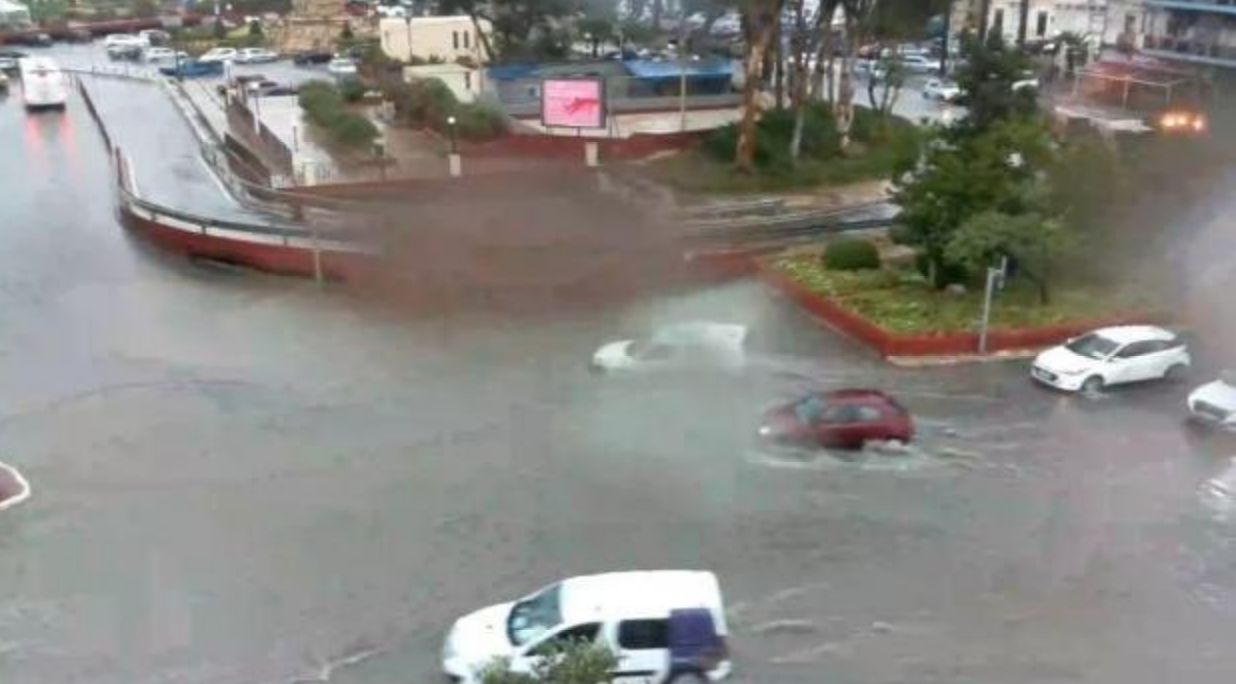
The European Commission has adopted new reports on the status of waters in the European Union to call for faster action to protect water and also to manage the risks of flood-related hazards better. These reports summarise the implementation of the Water Framework Directive, the Floods Directive, and the Marine Strategy Framework Directive; they show progress over the last six years and highlight areas needing further action.
• Pressures on Water Resources: The most prevailing pressures on EU water bodies are diffuse pollution from agriculture and hydromorphological changes caused by human activities in hydropower, navigation, and flood protection.
• Chemical Status of Surface Waters: Chemical status remains an issue in many parts, though some pollutants have been reduced.
• Groundwater Quality: Generally, the quality of the groundwater is good throughout the EU, though localised problems still persist.
• Climate Change Impacts: It is causing new challenges-precipitation pattern changes that lead to increases in the risk of flooding and drought.
It gives specific recommendations on how each member state can contribute to the management of water in a more sustainable manner. For instance, in Finland, the reported major pressures on water bodies include diffuse pollution from agriculture and forestry, hydromorphological alterations linked to hydropower and flood protection. In general, the quality of groundwater is good, but appearing climate change risks prompt adaptation.
A Eurobarometer study from May 2024 found that 89% of Finnish respondents perceive pollution as the most significant danger to water bodies, while 73% would like more EU action against the water-related problems.
The above findings of the reports will constitute a vast input to the forthcoming Water Resilience Strategy, through which the Commission wants the Union to be better equipped for using water in a resource-efficient way and to adapt better to climate-related pressures.

News Editor
Journalist and Newscaster
Leave a Reply