




This is the first of a Maltese Herald series of investigations. In this analysis we focus on the spiraling and alarming situation in medicine pricing. This is having a serious effect on consumers, some of whom are being priced out. We had already analyzed this situation in a previous article but we are now going in depth on the subject.
The private pharmaceutical market is on the brink of a pricing crisis, with patients bearing the full weight of rising medicine costs. This impending crisis is being driven by a perfect storm of factors: aggressive pricing strategies by distributors, monopolistic pharmacy chains, lack of price regulation by the Medicines Authority, and the unintended consequences of parallel importation.
While parallel importation was originally intended to introduce competition and lower medicine prices, the opposite is happening. Instead of benefiting patients, it has sparked a dangerous pricing war that is ultimately forcing distributors to raise prices leading to a cycle of inflation that places a heavier financial burden on those in need of essential medications.
Parallel Importation: The Intended vs. the Reality
At its core, parallel importation is a system designed to capitalize on price discrepancies between EU countries. Medicines from lower-GDP nations such as Poland and Lithuania are imported, repackaged in English, and sold in the private market, ideally at lower prices than those of local distributors. This should, in theory, create a healthy competitive market that benefits consumers by reducing prices.
However, the reality is starkly different. Parallel importers, rather than passing on the cost savings to patients, are matching the prices set by distributors. This pricing strategy allows parallel importers to offer pharmacies additional incentives (“extra bonuses”), making their products more attractive.
Consider the following example:
- A distributor supplies a medicine at 10+6 to pharmacies, which is then retailed at €8.00 to patients.
- A parallel importer supplies the same medicine at 10+10 for the same €8.00 retail price.
The difference in bonuses means that pharmacies stock the products that yield the highest profit, but patients see no cost savings. This results in a pricing war between distributors and parallel importers, as each side attempts to outdo the other with more attractive pharmacy incentives. The result? Distributors are forced to increase prices, leading to a chain reaction where the parallel importer follows suit—leaving patients trapped in an endless cycle of price hikes.

The Growing Influence of Larger Pack Sizes
In recent years, parallel importers have introduced larger pack sizes of essential medicines. These larger variants generate significantly higher profit margins, making them highly attractive to pharmacies. Consequently, most major pharmacy chains now prefer stocking larger packs over smaller ones, dealing a further blow to distributors who cannot match these profit margins.
To compete, distributors once again resort to price hikes, using increased revenue to buy time and remain in the market. But patients lose in this equation, as they are:
- Forced to purchase larger packs, even when a smaller quantity would suffice.
- Denied the choice between different pack sizes, as pharmacies prioritize profit over patient preference.
- Paying inflated prices, regardless of whether the medicine comes from a distributor or a parallel importer.
This raises ethical concerns. Under proper pharmacy ethics, pharmacists should always dispense the smallest available pack when a patient is prescribed a new medication. This practice accounts for potential side effects or ineffective treatment, ensuring that patients do not waste money on unnecessary medication. However, the unrestricted dominance of larger packs removes this option, stripping patients of a fundamental right to choose.
The Role of the Medicines Authority: A Regulatory Void
Unlike other EU countries, Malta has no price regulation for medicines in the private market. The Medicines Authority, which should be monitoring and regulating pricing, has refused to intervene, effectively allowing price inflation to spiral unchecked.
One of the most pressing concerns is that the authority is heavily influenced by the pharmacy lobby. Many of its decision-makers are closely tied to major pharmacy chains, creating a conflict of interest that prevents them from enforcing fair regulations. This lack of oversight means:
- Distributors and parallel importers are free to manipulate prices without government intervention.
- Pharmacies prioritize profit margins over patient welfare without facing consequences.
- Patients are left with no protection from price exploitation
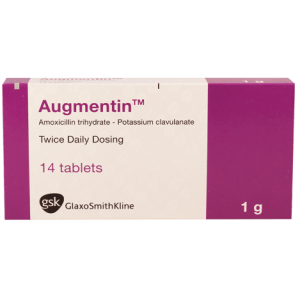
The consequences of this regulatory failure are evident in the case of one of Malta’s most essential antibiotics, Augmentin. A closer examination of its pricing reveals an alarming 100% markup between the wholesale price paid by pharmacies and the final retail cost to patients. When purchased in bulk, with additional pharmacy bonuses, this markup increases even further.
Augmentin is not an isolated case—many other essential medications are subject to similar or even higher price markups. Without intervention, these inflated prices will continue to rise unchecked, leaving patients with increasingly limited access to the medicines they need.
The Need for Urgent Reform
If Malta’s pharmaceutical market remains unchecked, patients will continue to suffer financially. Urgent reforms are needed to prevent a full-scale medicine pricing crisis.
Key Actions That Must Be Taken:
- Price Regulation by the Medicines Authority – Implementing controlled pricing mechanisms to prevent unchecked price hikes.
- Greater Transparency in the Private Market – Enforcing mandatory pricing audits to monitor and expose excessive markups.
- Strict Oversight on Parallel Importation Practices – Ensuring that cost savings from PI are passed down to patients, rather than absorbed by pharmacies.
- Restoring Patient Choice in Pack Sizes – Preventing pharmacies from prioritizing large packs over smaller, more affordable options.
- Encouraging Market Competition – Allowing parapharmacies and independent pharmacies to operate, breaking the monopolistic hold of large pharmacy chains.
Without these reforms, the cycle of rising medicine costs will persist, forcing patients to bear an ever-growing financial burden. The pharmaceutical industry should serve the public, not operate exclusively for profit. Until the Medicines Authority fulfills its role as a regulator rather than a pharmacy advocate, Maltese patients will remain at the mercy of an exploitative pricing system.





Leave a Reply