



Pope Francis, the first Jesuit and Latin American pope, died on Monday at the Vatican’s Casa Santa Marta at the age of 88. His death was announced just a day after he appeared publicly in a wheelchair to bless crowds on Easter Sunday.
Elected in 2013 following the resignation of Benedict XVI, Francis inherited a Church in crisis. Over the course of his 12-year papacy, he reshaped the Roman Catholic Church with a focus on inclusion, compassion, and reform. Known for his advocacy for migrants, the poor, the environment, and marginalised communities—including LGBTQ+ Catholics—Francis became a global moral voice and an agent of change.
He appointed a more diverse group of bishops aligned with his pastoral vision and opened Church leadership discussions to laypeople and women. His decision to allow blessings for same-sex couples and baptisms for children of transgender individuals signaled a significant shift from tradition.
A more direct approach
Francis also addressed the clerical sex abuse crisis more directly than his predecessors, holding bishops accountable, though critics argued his reforms didn’t go far enough in terms of transparency and mandatory reporting.
Despite his warm public image, Francis was a firm and often divisive leader behind the scenes. He clashed with traditionalists, limited the Latin Mass, and restructured the Vatican’s power dynamics, frustrating entrenched conservative factions. While he resisted pressure to deny communion to pro-choice politicians like U.S. President Joe Biden, he also disappointed some progressives by hesitating on deep structural reforms, including women’s ordination and priestly celibacy.
In his later years, despite health challenges, Francis remained active—traveling to conflict zones in Africa and continuing his mission of social and spiritual outreach. His papacy leaves behind a Church both stirred and divided, deeply impacted by his efforts to bring it closer to the people and more in tune with the modern world.

Pope Francis: A Humble Reformer Who Reshaped the Papacy
One of the most unexpected aspects of Pope Francis’ papacy was his election in 2013. Chosen after Pope Benedict XVI’s historic resignation, Francis—then 76 and the archbishop of Buenos Aires—quickly distinguished himself with a down-to-earth style, reformist energy, and global vision.
A Papacy of Firsts and Symbolism
Francis was the first Jesuit and Latin American pope, and the first to take the name Francis, in honor of St. Francis of Assisi—a symbol of humility and care for the poor. From the beginning, he signaled a new approach: rejecting the papal palace for a guesthouse, using a modest car, and washing the feet of prisoners, including a Muslim woman. His first words as pope, “Buona sera,” marked a personal, informal tone that would define his leadership.
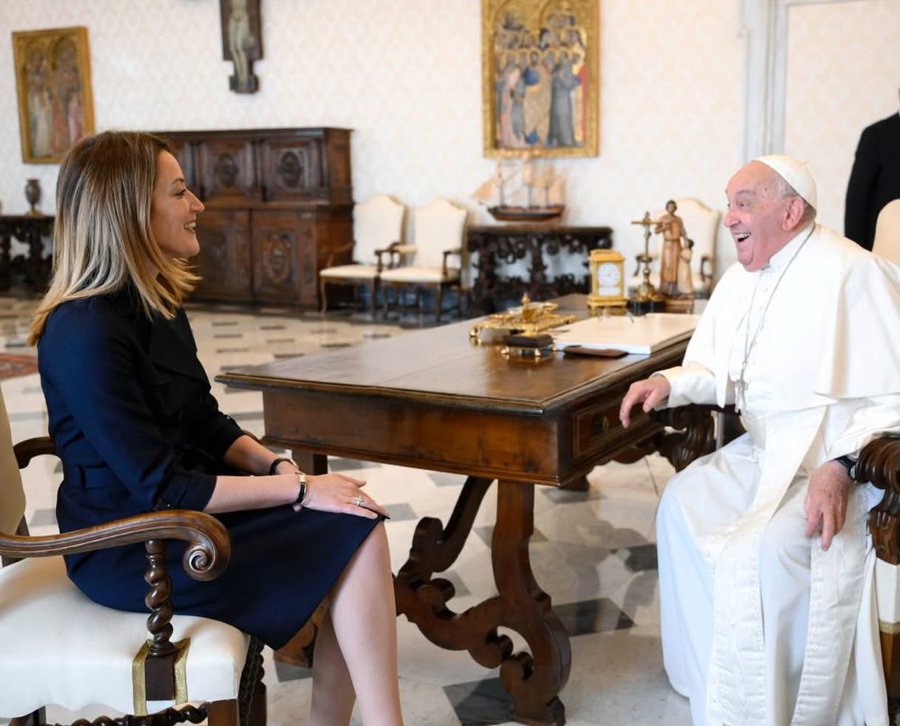
Champion for the Marginalised
Francis redirected the Church’s attention away from divisive issues like abortion and same-sex relationships, focusing instead on poverty, climate change, and migration. He visited overlooked communities, including persecuted Christians in Iraq and war-torn South Sudan, where he knelt to kiss the shoes of rival leaders in a plea for peace. His 2015 encyclical Laudato Si became a landmark call for environmental and economic justice.
Complex Legacy on LGBTQ+ and Church Doctrine
While Francis showed unprecedented openness—famously asking “Who am I to judge?” about gay priests—his stance on LGBTQ+ rights remained ambiguous. He supported civil unions and later allowed blessings for same-sex couples, yet occasionally reversed or contradicted earlier positions. His balancing act aimed to keep traditionalists and reformers in conversation, frustrating both sides at times.
Tackling Church Scandals and Clericalism
Initially slow to act on the clergy sex abuse crisis, Francis later admitted mistakes and enacted reforms, including an investigation into disgraced Cardinal Theodore McCarrick. He condemned clerical elitism and challenged Vatican insiders, calling out corruption, gossip, and the “peacock priest” mentality in blunt speeches to Church officials.
A Reformist with Limits
Though Francis encouraged debate on topics like priestly celibacy, married clergy, and women’s roles in the Church, he often stopped short of making bold doctrinal changes. A 2023–2024 global bishops’ summit sparked hope for major reforms but ended with few concrete outcomes.
Enduring Impact
Francis’ most lasting contribution may be his reshaping of the Church’s leadership. By appointing a new generation of cardinals and bishops aligned with his pastoral vision, he ensured that his influence will be felt long after his death. His legacy is that of a humble yet strategic reformer who brought compassion and a global perspective to an institution in need of change.
An Unlikely Papal Choice
Cardinal Jorge Mario Bergoglio, archbishop of Buenos Aires, wasn’t expected to become pope. In the 2005 conclave, he had come in second to Pope Benedict XVI and had little reason to think he’d ever be elected. By the time Benedict resigned in 2013, Bergoglio—then 76, was seen as too old and not on the shortlist of contenders.
Yet, dissatisfaction among the cardinals with Vatican dysfunction, corruption, and a weak response to clerical abuse gave Bergoglio an opening. His reputation as a capable administrator and advocate for decentralizing Church authority resonated. A speech he gave before the conclave, urging the Church to focus on those on the margins, left a lasting impression.
After five rounds of voting, he crossed the required threshold and accepted the papacy with the words: “Although I am a sinner, I accept.” He took the name Francis, honoring St. Francis of Assisi and his mission to serve the poor—a commitment he carried into his papacy.
A Voice for the Poor and the Marginalised
From the beginning, Pope Francis made the poor his central concern. He famously said, “Without a solution to the problems of the poor, we cannot resolve the problems of the world.” His papacy consistently focused on the physical and spiritual needs of those on society’s edges.
He became a global diplomatic figure, helping to restore U.S.-Cuba relations and supporting peace in Colombia. Amid Europe’s refugee crisis, he urged compassion and saw the issue as a moral test. His positions often clashed with rising nationalism and populism, drawing criticism from figures like Donald Trump and Hungarian Prime Minister Viktor Orban.
Despite waning influence in some Western political spheres, Pope Francis maintained that the pope must serve as a moral compass, even when his voice seems out of step with the world.
Interfaith Outreach and Global Diplomacy
Pope Francis undertook more than 40 foreign trips, consistently visiting countries in conflict or places where Christians are minorities. He strengthened ties with Muslim leaders, including Egypt’s Grand Imam of Al Azhar, and traveled to Iraq in 2021 to encourage Muslim-Christian unity.
He championed religious freedom for persecuted groups like the Rohingya and Yazidis, and used public apologies to address historic wrongs. He sought forgiveness from Indigenous communities in Canada, acknowledged the Church’s silence during the Rwandan genocide, and admitted abuse of nuns by priests and bishops.
Controversial Moves and Diplomatic Risks
Pope Francis wasn’t afraid to engage autocratic governments. In 2018, he struck a controversial deal with China to resolve a long-standing dispute over appointing bishops. While it gave the Vatican formal recognition from the Chinese government, critics saw it as a compromise with authoritarianism that undermined persecuted Catholics.
Though his visits were sometimes exploited for political gain, Pope Francis and his team believed that engaging even problematic regimes was worth the risk if it meant bringing hope and opening doors for dialogue.
Pope Francis was also criticised on the war in Ukraine. He was seen as having been too accommodating to Russia’s President Putin and prioritised peace at all costs. On Gaza he constantly decried the violence and deaths stopping short of accusing Israel of genocide.
A ceasefire in Gaza was also one of Pope Francis latest demands. He also demanded a ceasefire in Ukraine, but blamed both sides for the war despite Russia having invaded Ukraine and starting the war itself.
Church Reformer: Pope Francis’ Internal Legacy

A Shift in Power and Culture
While Pope Francis made global headlines for diplomacy and outreach, his most enduring legacy may lie in transforming the Catholic Church from within. Unlike his predecessors, John Paul II and Benedict XVI—who centralised authority in Rome—Francis promoted decentralisation. He empowered bishops worldwide, turning synods from ceremonial events into genuine policy forums.
This change excited reformers but alarmed traditionalists who preferred centralised control. Pope Francis also reformed liturgical practices, allowing local bishops to adapt translations of prayers, giving them more autonomy in spiritual matters.
Appointments That Reflected His Vision
Through strategic appointments, Pope Francis shaped the Church’s future. He favored pastoral, grassroots bishops over conservative bureaucrats, distancing himself from powerful groups like Opus Dei. He restructured the College of Cardinals, appointing more than half of the members who will elect his successor. His choices brought racial and geographical diversity—shifting the Church’s center of gravity away from Europe and toward the Global South.
In 2020, he appointed Wilton Gregory as the first African American cardinal, symbolizing this new direction.
Reviving Vatican II and Isolating Opponents
Pope Francis openly revived the progressive spirit of the Second Vatican Council. He canonised popes associated with it and made it clear that support for its reforms was non-negotiable. He marginalised critics quietly and effectively—like Cardinal Robert Sarah, a Latin Mass proponent, and Cardinal Gerhard Müller, whom he dismissed from the Vatican’s doctrinal office.
He also curtailed the Latin Mass in 2021, arguing it was being used to undermine Vatican II and foster division.
Moral Teachings Rebalanced
Pope Francis broadened the Church’s moral focus. He restructured institutions like the Pontifical Academy for Life and shifted attention from only anti-abortion stances to include opposition to the death penalty and advocacy for migrants and the poor. In 2018, he declared capital punishment incompatible with Church teaching and emphasised that welcoming immigrants was a core Christian value—not a temporary trend.
Celibacy Reform: A Missed Opportunity?
Perhaps the biggest internal debate under Pope Francis was over married priests. Facing priest shortages in regions like the Amazon, he considered allowing the ordination of “viri probati”—tested, married men. A 2019 summit supported the idea for remote areas, but backlash from conservatives, and even retired Pope Benedict, led Pope Francis to drop the proposal. His decision disappointed reformers but was seen by some as a move toward unity.
Conclusion: A mixed bag, a reformer yet a traditionalist?
Pope Francis, once a long-shot candidate, became a transformative figure in the Catholic Church. His papacy emphasised humility, social justice, interfaith outreach, and diplomacy, often at odds with rising global nationalism. While not without controversy, his legacy is that of an “accidental pope” who embraced the poor, confronted injustice, and sought to make the Church a more compassionate global force.
Pope Francis’ internal reforms reshaped the Catholic Church by decentralizing authority, diversifying leadership, and shifting its moral priorities. He empowered bishops, emphasised inclusivity, and quietly sidelined opponents. Though he stopped short of allowing married priests, his changes have reoriented the Church toward global growth, pastoral care, and modern social concerns—ensuring that his influence will shape the Church long after his papacy ends.

Sports Editor
Veteran Journalist



Leave a Reply