



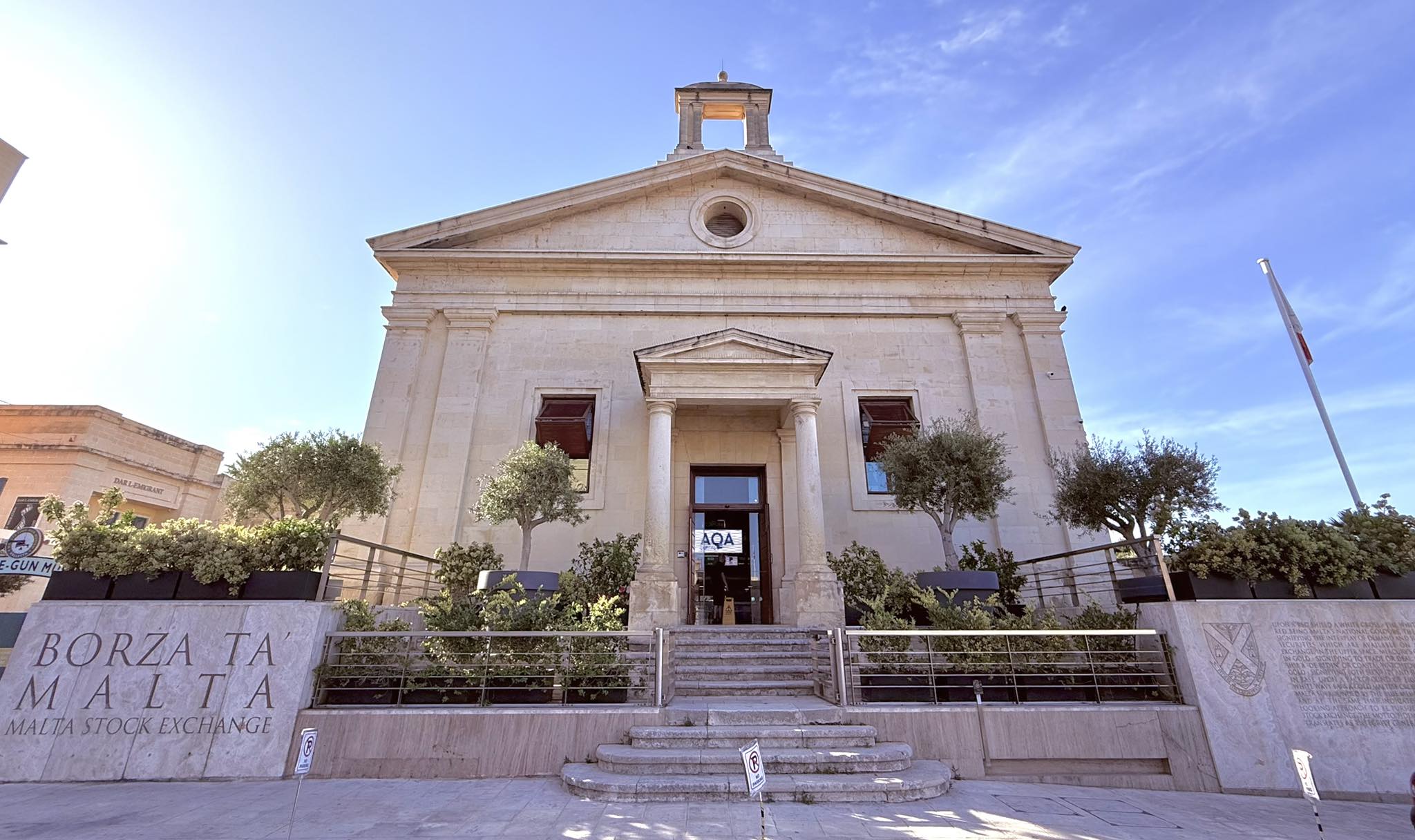
The Chairman of Malta Stock Exchange, Joseph Portelli, has recently landed in hot water (or actually, in the press), for being a board member of OKX’s subsidiary in Malta, while its subsidiary was being investigated by the FIAU for KYC violations. Joseph Portelli, not the Joseph Portelli the property mogul, (but coincidentally, also a Gozitan), replied to the press saying that he joined the board following the investigation.
The missing part in the press reporting about Joseph Portelli is that board members of stock exchanges, including their presidents, are generally part-timers. It is also preferred that the board members come from large and established financial institutions because especially in small markets, the board of a stock exchange should ensure that it has a market and by ensuring a market, this means ensuring and encouraging trading volume. The other missing part of the reporting is that it is not unusual for large financial operators handling many clients and large volumes to have KYC issues, the point is to address them and OKX seems to be publicly doing efforts to be in line with European compliance.
Joseph Portelli, who is also an American citizen, has an extensive experience in trading finance and no one can say that he is not qualified for his job. Judging him by his OKX board position is short-sighted. Joseph Portelli, who has been chairman of the Malta Stock Exchange since 2015 should be judged by trading volumes and listings and there is both good and bad in this history.
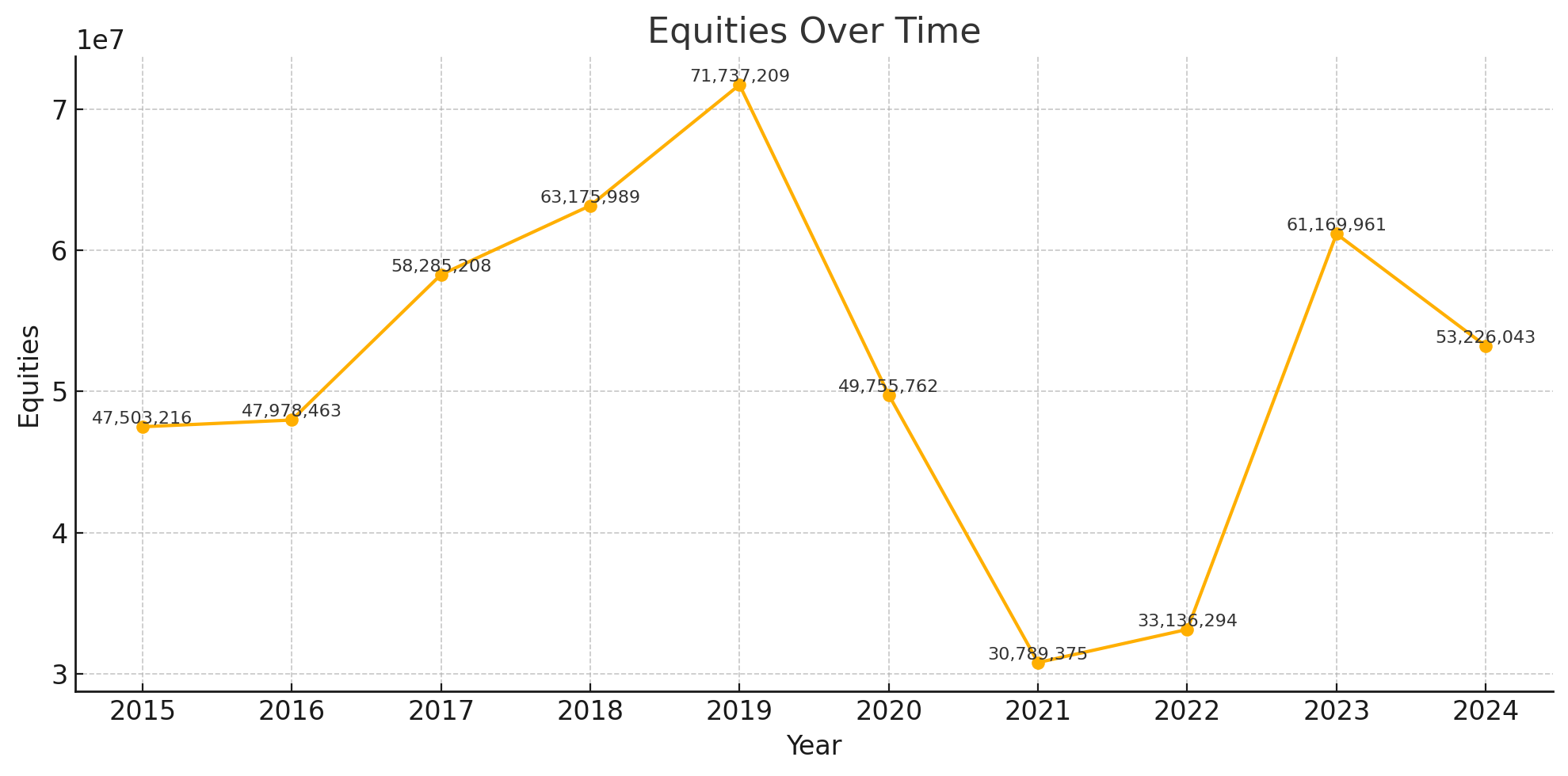
Joseph Portelli took over a stock exchange with a yearly trading volume of just €47,5 million. Days used to pass when not even one trade would get filled. To his credit, Joseph Portelli managed to oversee a rise in trading volume at the stock exchange during his tenure marking an all-time peak in equity trading volume in 2019 with up to €71.7 million worth of shares traded. However, trading volume crashed during the Covid lockdowns and is still trying to recover its previous highs. Last year, trading volume was recorded at €53.2 million.
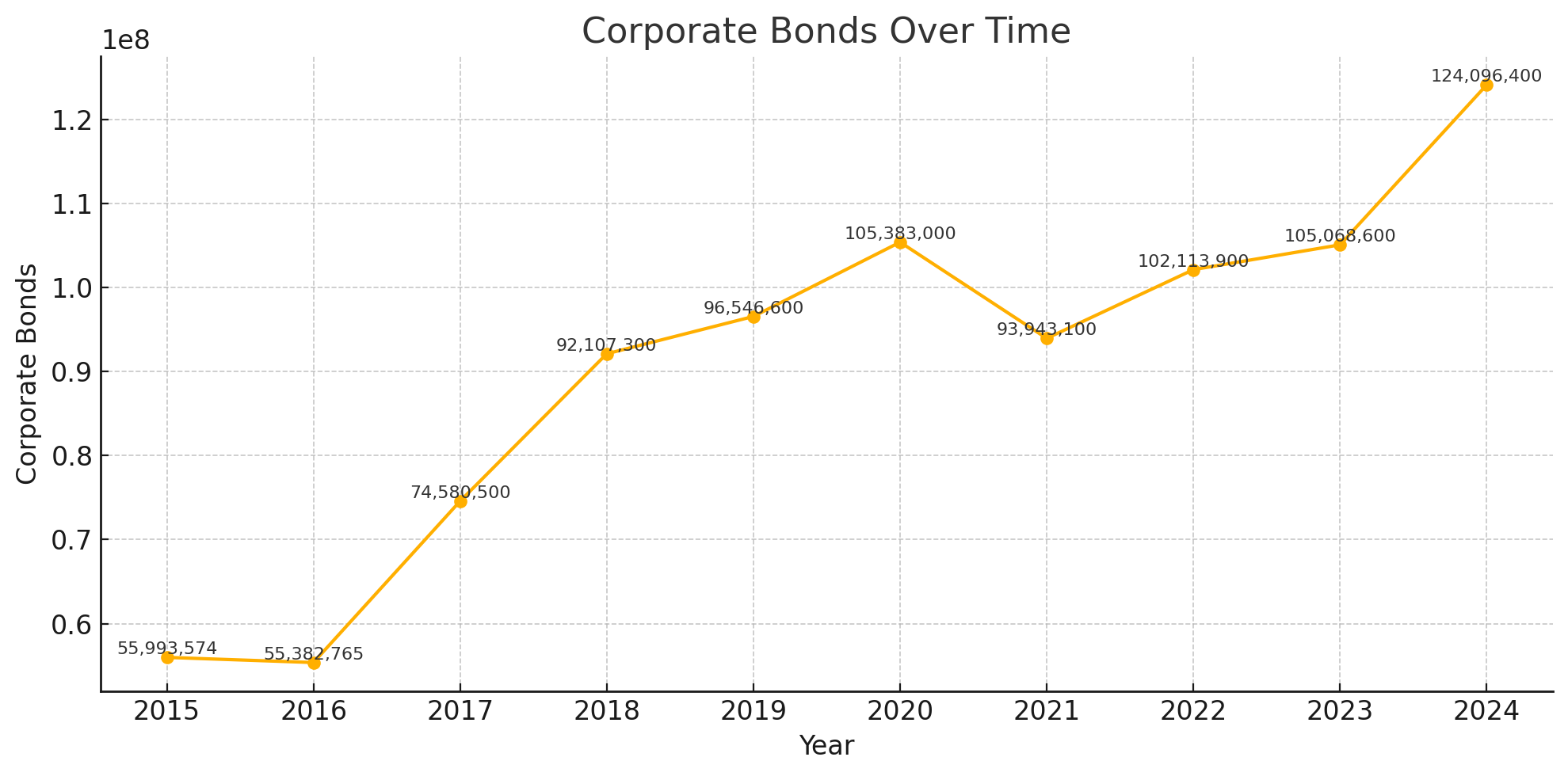
On the other hand, the volume of trading with corporate bonds faired much better and it has increased by up to 121.6% since he took over. This increase also reflects the Maltese general investor trend of preferring bonds to equities.
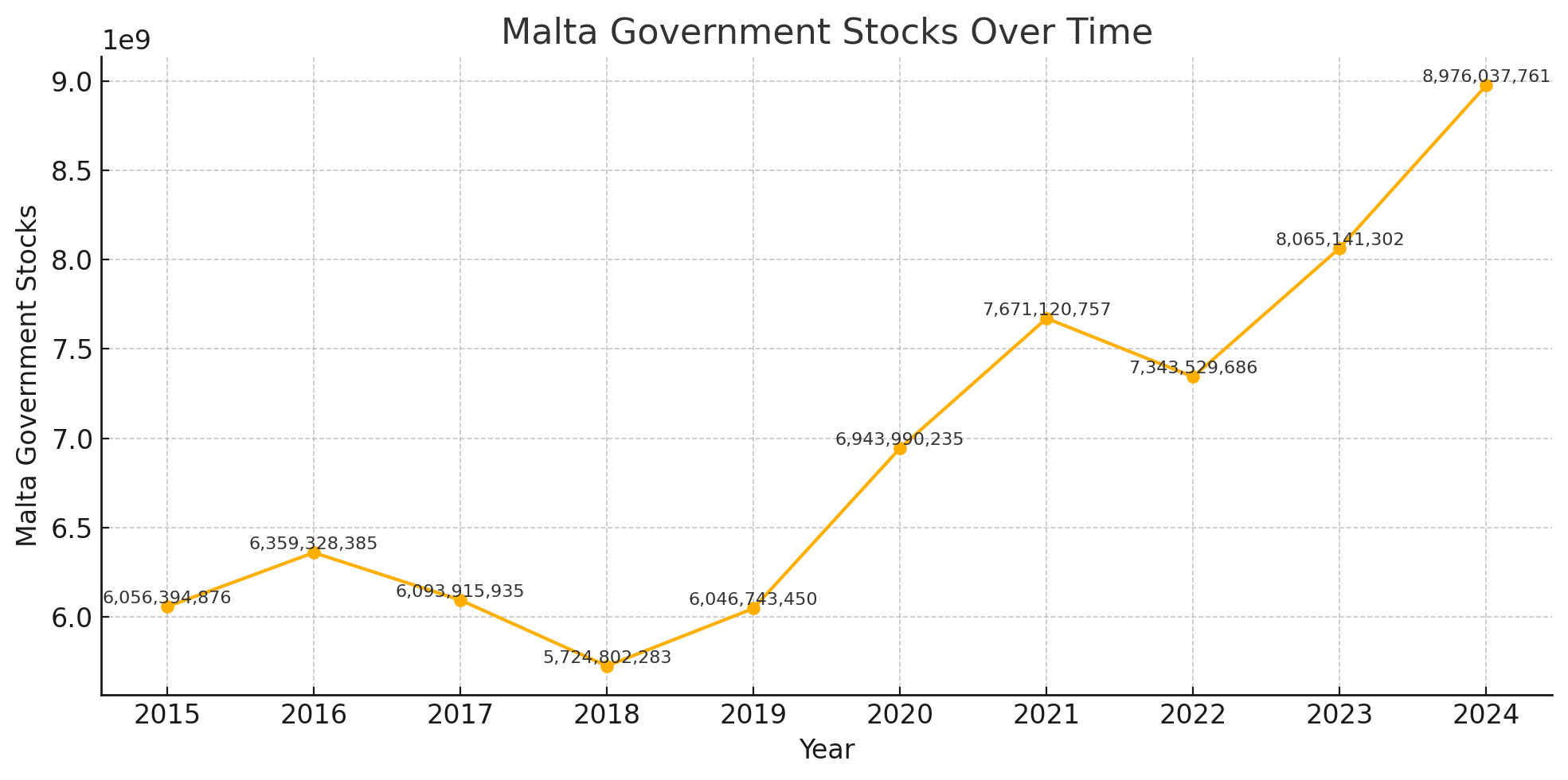
The trading of government bonds on the Malta Stock Exchange has decreased but this is probably owing to less attractive interest yields compared to the bonds offered by private issuers. Maltese government bonds are usually overbought as local banks buy them heavily for a safe yield.
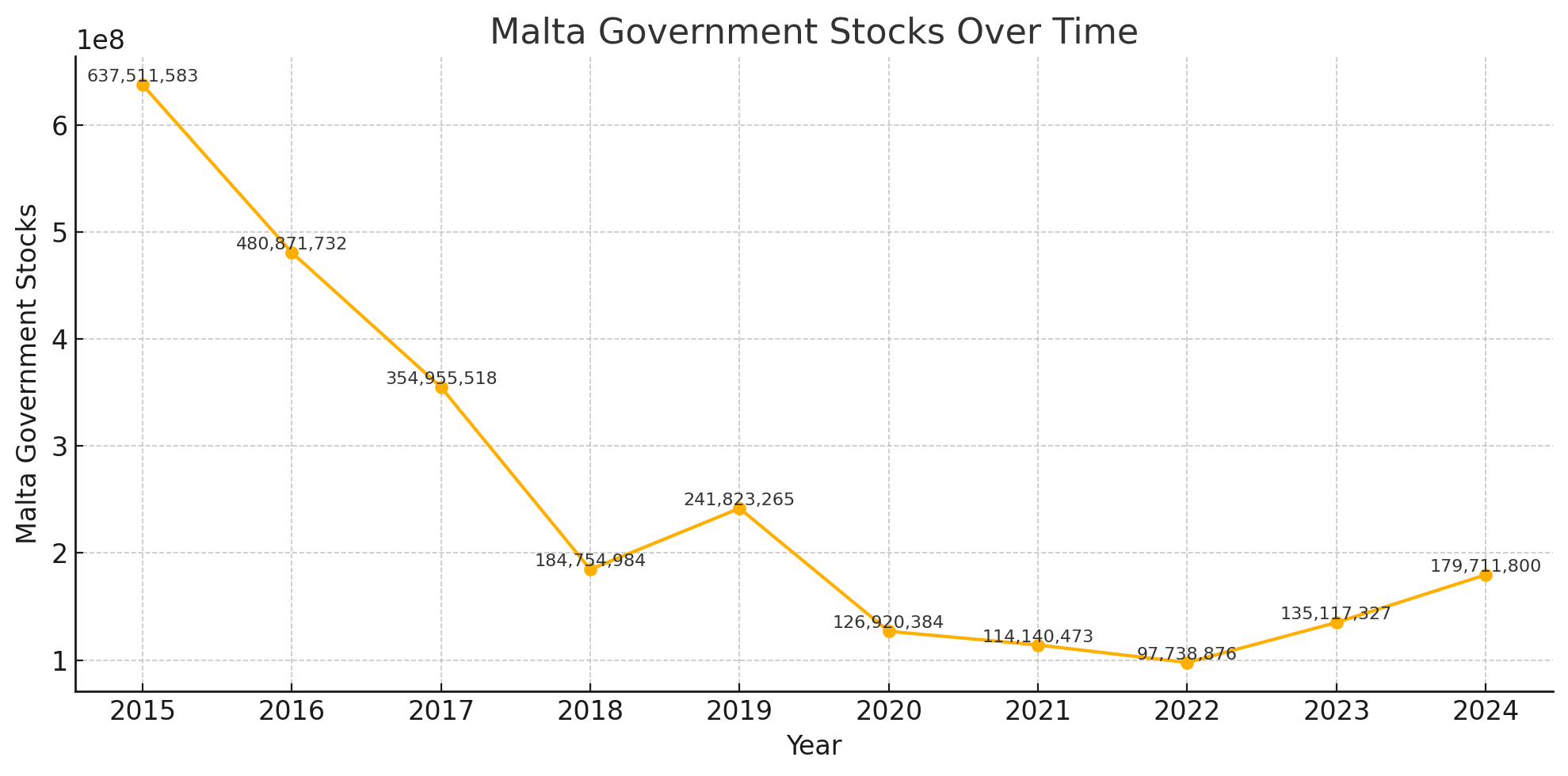 This is in fact a problem for the Malta Stock Exchange when it comes to volume because the bulk of its volume was previously owed to trading in government bonds.
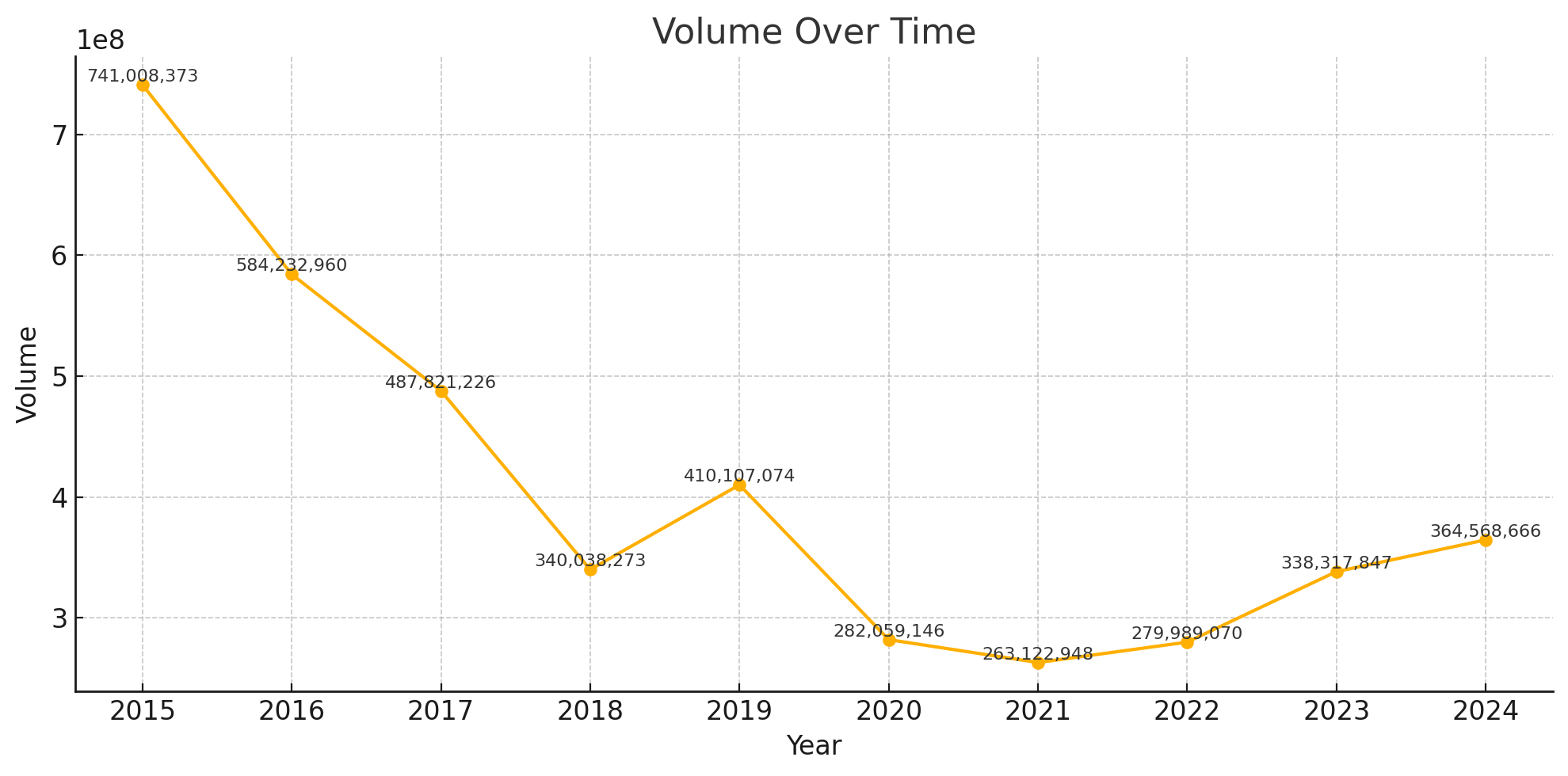
Despite the lower trading volume, the Malta Stock Exchange, as an entity of its own, is still making higher revenues and higher profits. The MSE’s total revenue for 2023 was up to €9 million with an increase of 7.6% from the previous year and profits up to 8.3% higher at €4.9 million. The higher revenues and profits are coming partly to the rapid increase in listings. In 2015, the MSE had only listings from just 41 companies, but today it has listings from a total of 111 companies. This is a substantial and significant number for a small economy and a small population and it reflect that despite the low trading volume and the small numbers crunched at the MSE, Malta’s economy has relatively a significant number of active and innovative entrepreneurs for its size.
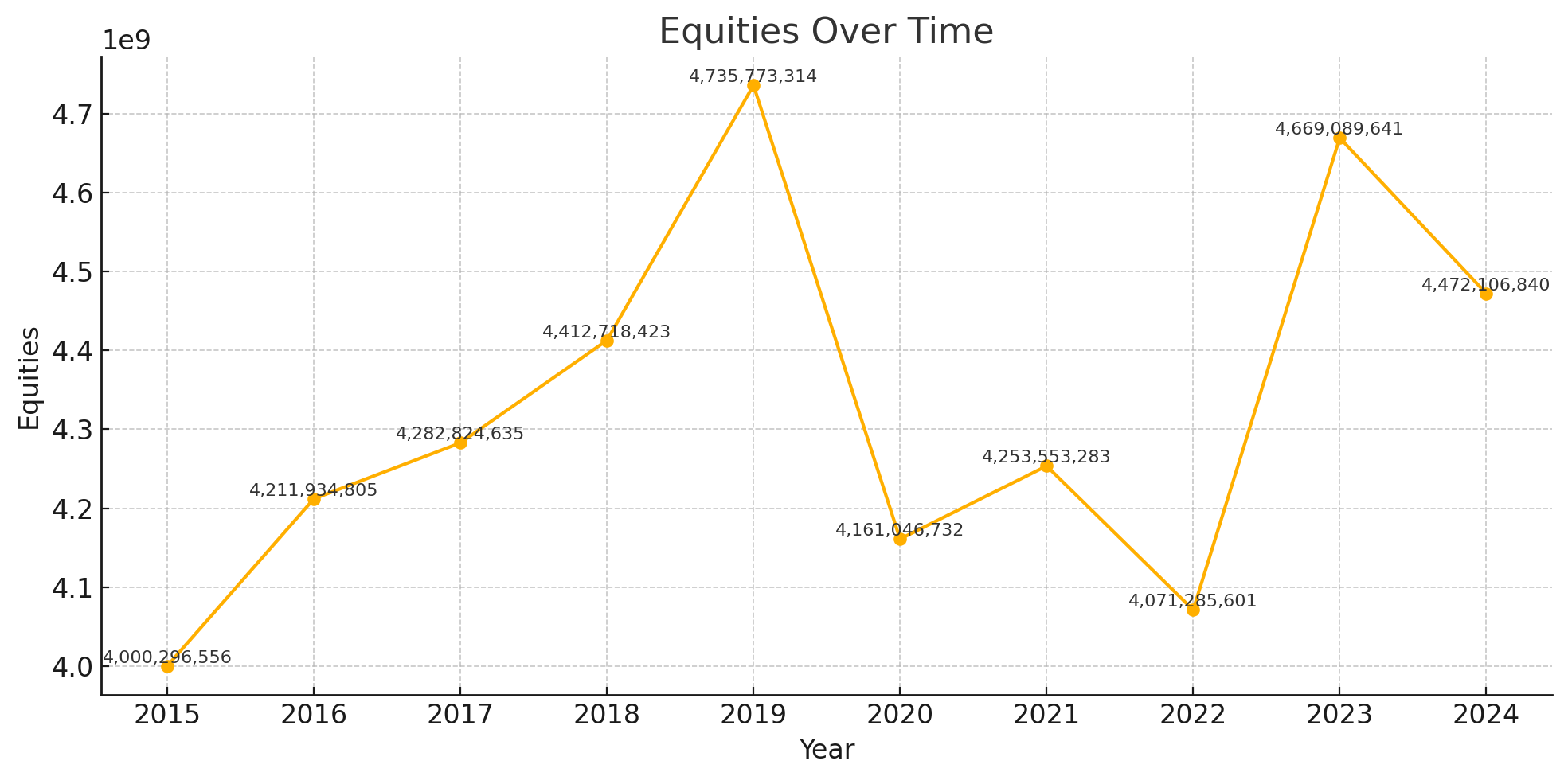
In fact, the market capitalisation has been increasing over time. The total equity market has increased from €4 billion to €4.4 billion from 2015 to 2024. The corporate bond market has increased at a much higher rate from €11.55 billion in 2015 to €17.15 billion in 2024. This discrepancy in the growth between corporate debt and market equity can be the cause of various issues and mean different things. While local companies are preferring to seek debt to finance their activities instead of selling equity, selling debt can also be the first step before the company goes public.

Joseph Portelli can be credited for uplifting Malta’s stock exchange and public financial market, but if Malta is to keep up with the times, especially with Europe’s current efforts to accelerate its economy, Malta also needs to accelerate the growth of its public companies and this should be reflected in higher trading volume at the MSE with the increased participation of the public.
The statistics were provided by the MSE.

Website Editor
Historian and Publisher

Leave a Reply