



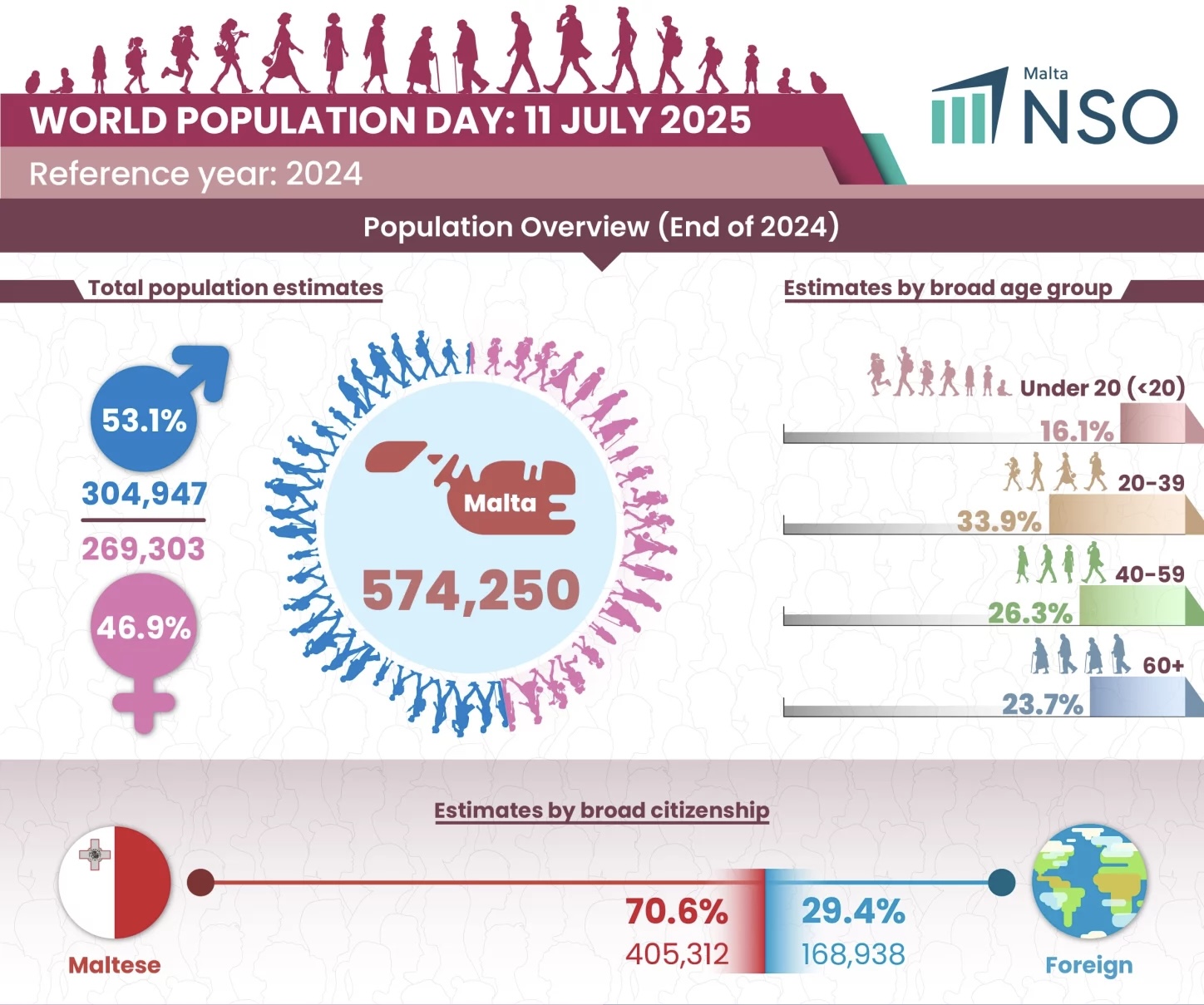
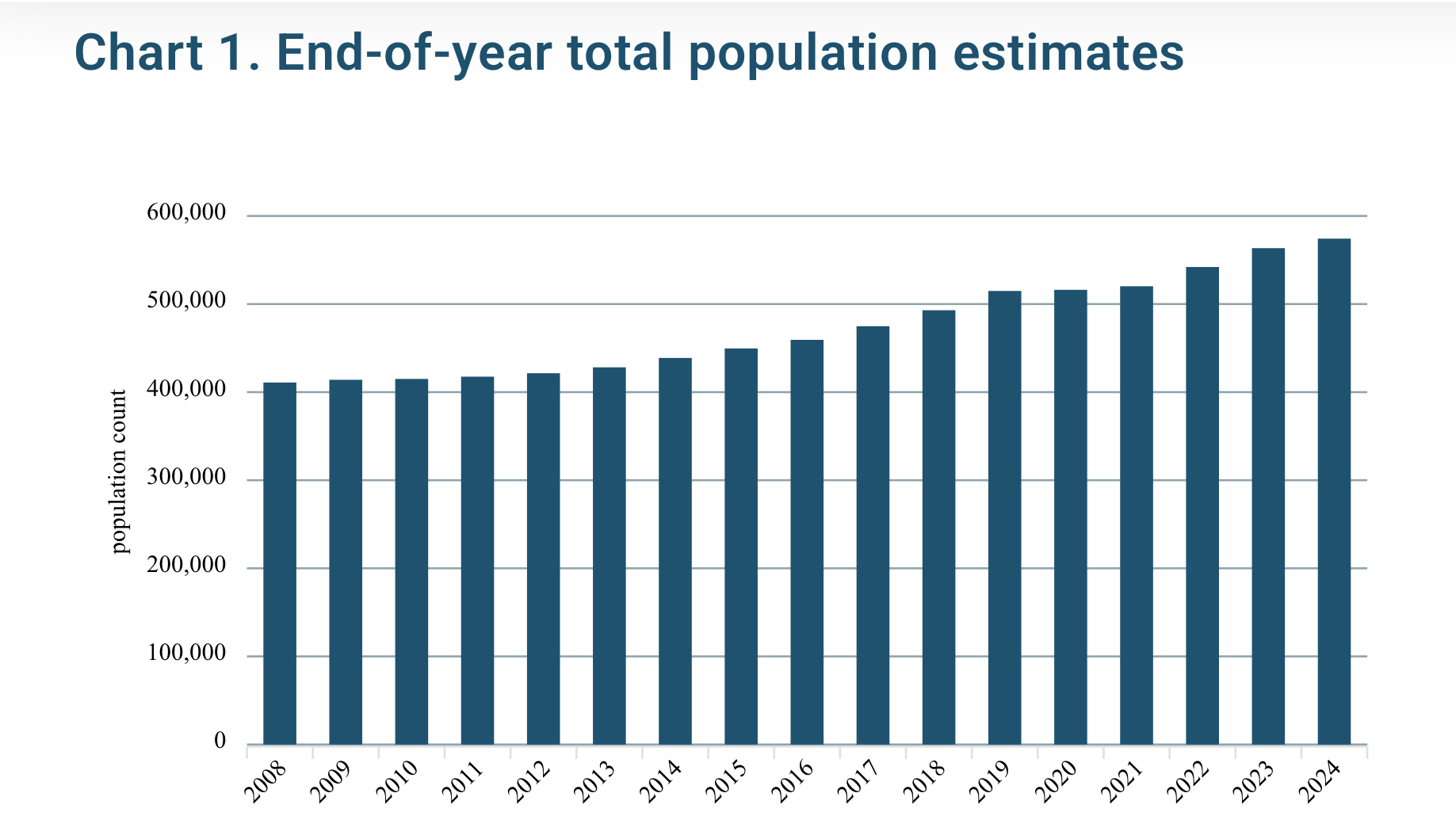
Malta’s total resident population reached 574,250 by the end of 2024, marking a 1.9% increase over the previous year, according to new data published by the National Statistics Office (NSO) on the occasion of World Population Day.
This growth was primarily fuelled by net migration of 10,614 people, with non-EU citizens making up 76.6% of the total. Notably, male migrants accounted for 57.7% of this increase. However, while migration remains the main driver of population growth, net migration fell by nearly half (49.4%) compared to 2023, as immigration decreased and emigration rose.
Natural growth hits record low
Natural increase – the difference between births and deaths – dropped sharply by 55.3%, down to just 193, a reflection of fewer births and more deaths. Resident live births declined by 2%, while deaths increased by 3.7%, with 71.1% of all deaths occurring in those aged 75 and above.
Age and gender breakdown
The population remains male-dominated at 53.1%, with the working-age bracket (15-64) skewed towards males, while the 65+ age group is predominantly female. Among residents aged 85 and over, females outnumber males 2 to 1. Meanwhile, 14.5% of the population is under 18, and 18.4% is aged 65 and over.
Foreign nationals make up nearly a third
Foreign nationals now make up 29.4% of Malta’s population. While Maltese citizens are evenly spread across older age groups, foreign residents are heavily concentrated in younger working-age cohorts, especially those aged 20-39.
Regional disparities are also evident: the Northern Harbour (42.3%) and Northern (36.9%) districts have the highest shares of foreign residents, while Western Malta remains the most predominantly Maltese (86.5%).
Urban pressure: Harbour areas the densest
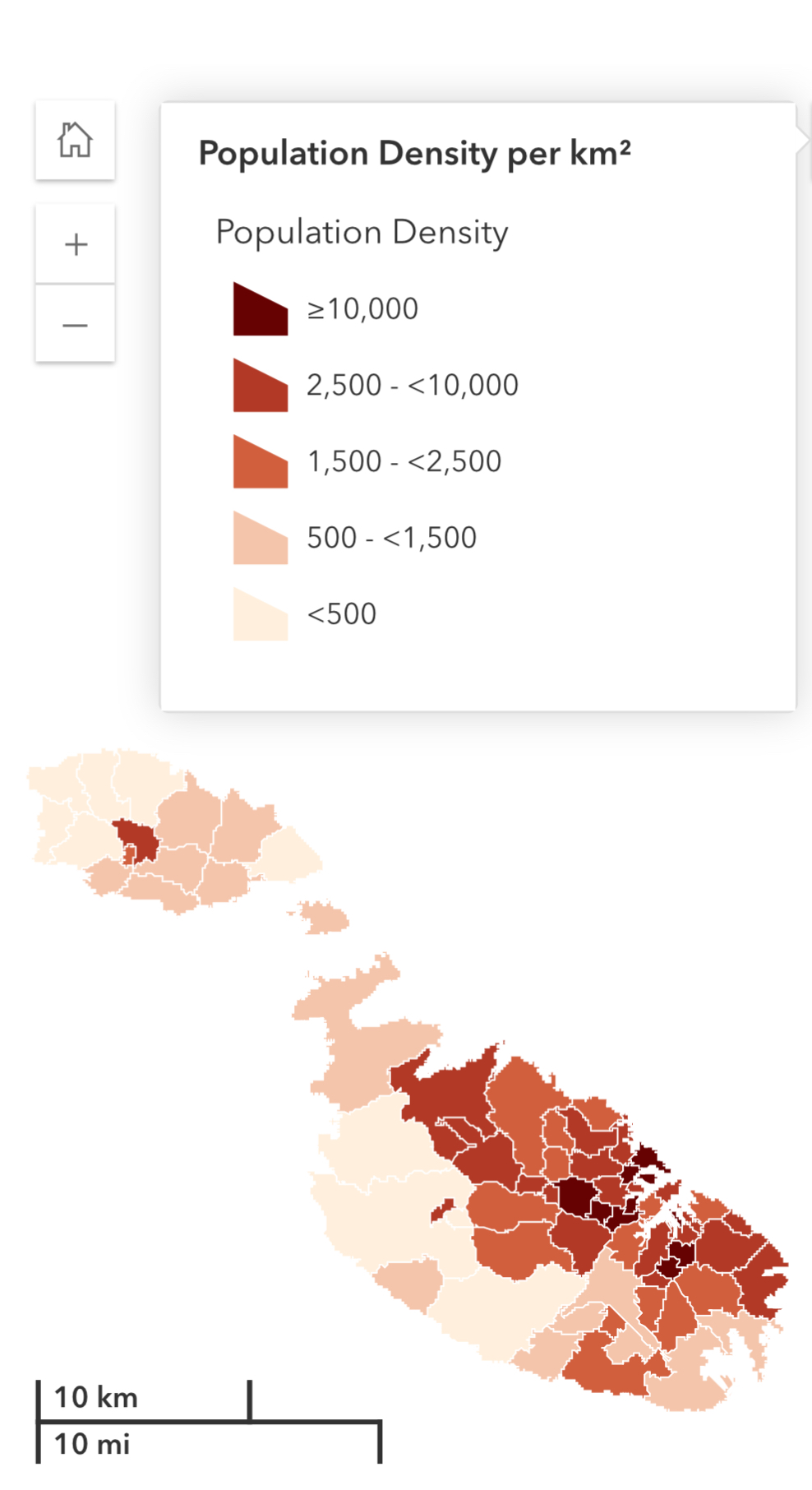
Population density remains highest in central and harbour areas. Sliema tops the list at 17,539 persons per km², followed by Pietà and Isla. In contrast, sparsely populated areas like Għasri, San Lawrenz, and Mdina reflect more rural, less pressured living conditions.
These population trends highlight the importance of Malta’s new Labour Migration Policy, set to begin implementation this August. With migration now the main driver of population growth, the policy aims to balance labour market needs with social cohesion, ensuring a regulated, fair, and skills-based approach to future migration flows.


News Editor
Journalist and Newscaster

Leave a Reply