



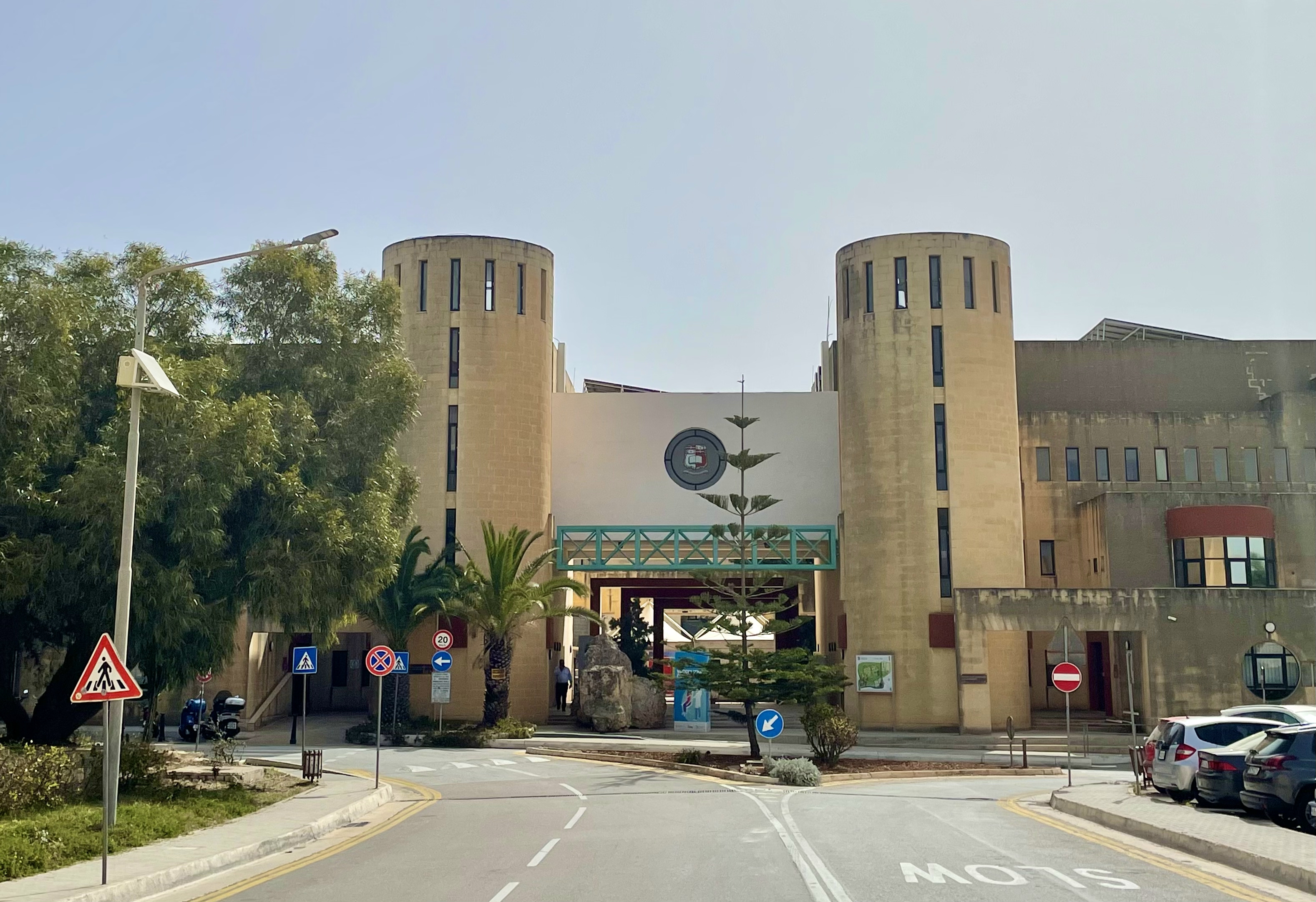
The reported €11 million deficit at the University of Malta has prompted pressing questions about financial management, oversight, and long-term sustainability at the country’s foremost higher education institution. As a publicly funded university, UOM carries a responsibility not only to deliver academic excellence but also to ensure rigorous stewardship of taxpayer money.
A deficit of this scale suggests deeper structural issues rather than a temporary imbalance. Whether the shortfall stems from escalating operational costs, ambitious expansion projects, administrative growth, or insufficient state funding, the situation calls for clarity.
Financial gaps of this magnitude typically develop over time, raising legitimate concerns about forecasting accuracy, expenditure controls, and governance safeguards.
Transparency is now paramount. Students, academic staff, and the wider public deserve a comprehensive breakdown of how the deficit accumulated and what corrective measures are being introduced. Without detailed disclosure, speculation risks undermining confidence in the institution’s leadership and decision-making processes.
Beyond reputational considerations, financial instability can have concrete consequences. Budgetary strain may affect recruitment, research funding, infrastructure maintenance, and student services which are areas central to maintaining educational standards and international competitiveness.
If external funding constraints are partly to blame, this must be openly acknowledged. However, if internal financial discipline has faltered, accountability mechanisms must be strengthened. Restoring trust will depend on a clear recovery strategy, enhanced oversight, and a commitment to sustainable financial planning to safeguard the university’s future.

Journalist
Leave a Reply