



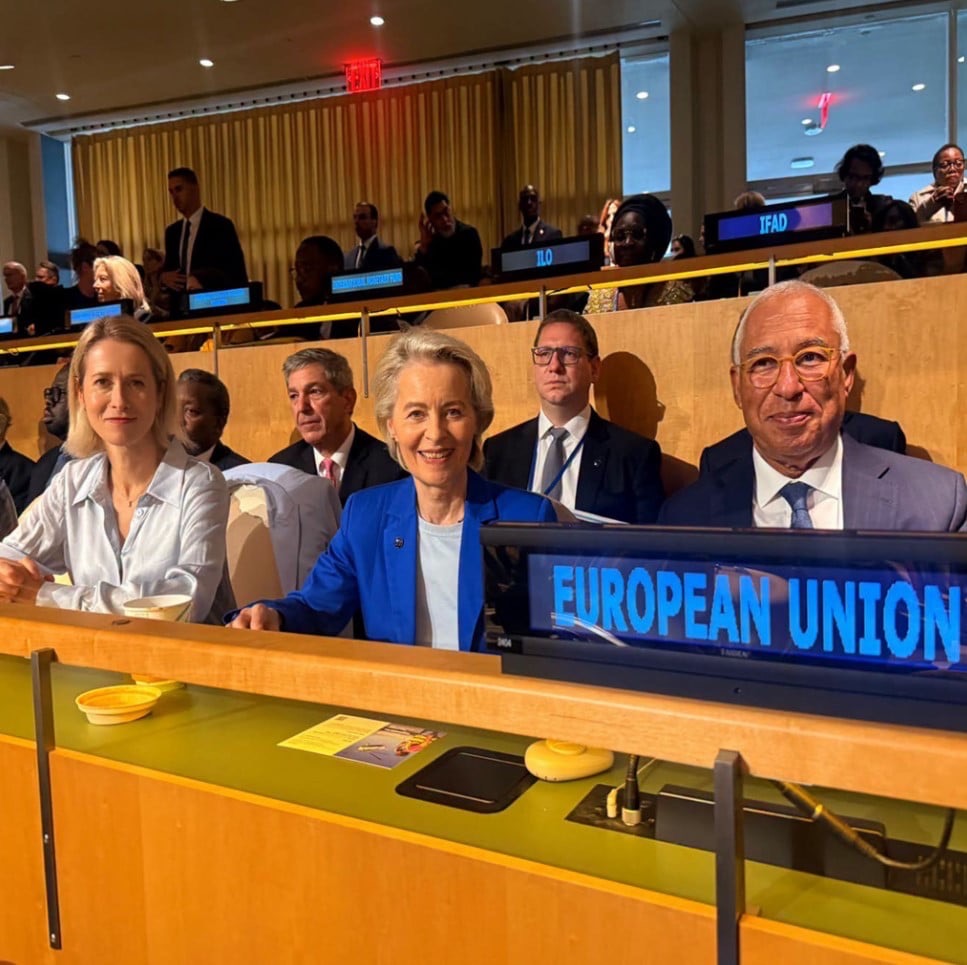
While international leaders pursue an intense diplomatic agenda, the European Union is advancing its trade relations with Asia.
The EU expands its relations with Asia
The European Union and the Philippines announced on Tuesday that they had reached a substantial agreement on a free trade deal. Following several months of negotiations and amid challenges posed by tariffs imposed by Donald Trump, Brussels is advancing its strategy to diversify its trading partners and expand commercial ties with Southeast Asia.
According to the European Commission, the agreement will eliminate tariffs on more than 94% of tariff lines between the two sides, representing more than 97% of bilateral trade. The agreement is expected to benefit both markets by reducing trade barriers and facilitating the exchange of goods.
Among the main products exported by the EU to the Philippines are transport equipment, machinery and medicines, as well as agri-food products such as pork, poultry, dairy products and spirits.
Although no definitive date has been set for the signing of the agreement, it will open the Philippine public procurement market to foreign companies for the first time. It also aims to establish rules to facilitate digital trade between both sides and strengthen intellectual property protection, including certain European geographical indications. The agreement also seeks to incorporate sustainability commitments and provisions for investment in renewable energy.
Before entering into force, the text will have to complete the corresponding approval process within the European Union, including approval by the European Parliament and Member States. European Commission President Ursula von der Leyen also announced on social media her intention to travel to Manila in 2027 to formally sign the agreement.
Meanwhile, European Commissioner for Trade Maroš Šefčovič described the agreement as “a win for both sides”, reflecting the EU’s growing interest in the Indo-Pacific region. As a result, the EU could begin to reduce its dependence on the United States by expanding relations with other trading partners.
While trade relations with the Philippines continue to advance, European leaders are also pursuing a broad agenda at the United Nations General Assembly, with meetings focusing on Ukraine, international security and climate change.
Ukraine and Russia
Speaking at the high-level event “Global Food Security and the Black Sea: the need for restoring freedom of navigation,” High Representative Kallas said that Russia’s attacks on Ukrainian ports and grain-export infrastructure were threatening food supplies well beyond Europe. The event was co-hosted by the EU, France, Romania and Ukraine, with Ukrainian President Volodymyr Zelensky attending as guest of honour. The participants called for a moratorium on attacks in the Black Sea to protect commercial shipping and allow Ukrainian grain to continue reaching global markets.
Kallas also announced a joint declaration backed by 51 countries in support of Ukraine ahead of a high-level UN Security Council meeting. The declaration reaffirmed Ukraine’s sovereignty and territorial integrity, condemned Russia’s attacks against civilians and civilian infrastructure and called on Moscow to accept an immediate and unconditional ceasefire. It also called for the protection of Black Sea shipping and Ukrainian grain exports, as well as the return of Ukrainian civilians and children forcibly transferred or deported by Russia. Malta was among the countries backing the declaration.
International relations
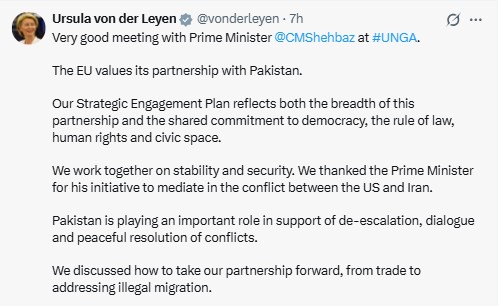
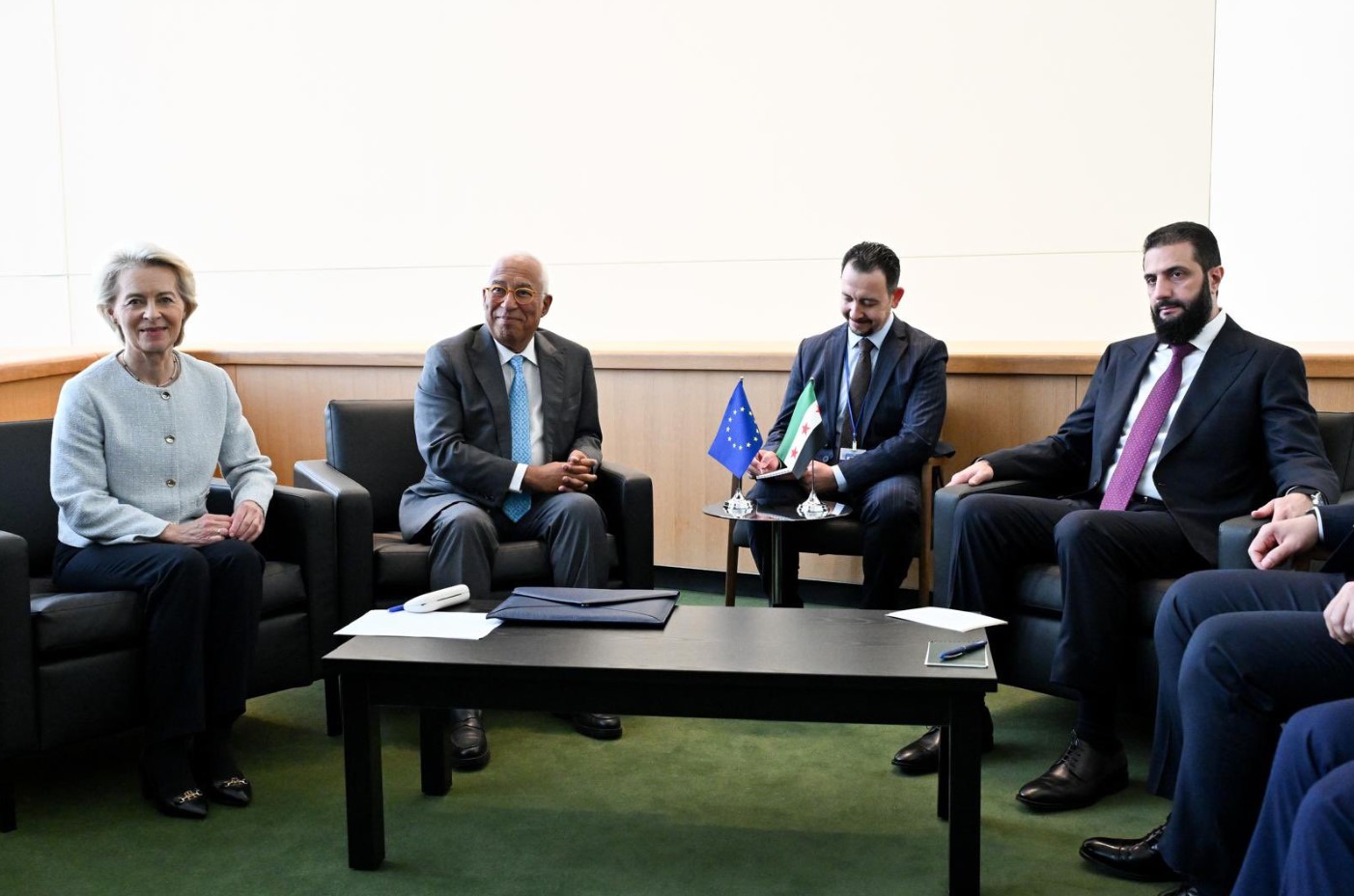
European Commission President Ursula von der Leyen held a packed series of bilateral and joint meetings, including with Pakistani Prime Minister Muhammad Shehbaz Sharif, Syrian President Ahmed al-Sharaa, Armenian Prime Minister Nikol Pashinyan and Ukrainian President Volodymyr Zelensky.
She also met British Prime Minister Andy Burnham, Norwegian Prime Minister Jonas Gahr Støre and Panamanian President José Raúl Mulino, while together with European Council President António Costa she held talks with Australian Prime Minister Anthony Albanese. President Von der Leyen also joined Costa in meetings with UN Secretary-General António Guterres and African Union Commission Chairman Mahmoud Ali Youssouf.
High Representative Kaja Kallas took part in and co-chaired a meeting between the European Union and the Community of Latin American and Caribbean States (CELAC), which brought together 40 ministers. During the meeting, they discussed issues related to organised crime, security and cooperation in the digital and environmental fields.
Kallas also joined representatives from Japan, the Philippines, the Netherlands, Estonia and Canada for a meeting on maritime security. They discussed issues including the protection of maritime infrastructure and freedom of navigation.
On Tuesday, the High Representative also met with Iranian Foreign Minister Abbas Araghchi with whom she raised the issue of safe passage in the Strait of Hormuz and domestic repression in Iran.
Climate change
On climate change, Commission President Ursula von der Leyen joined Canadian Prime Minister Mark Carney in the OceanEye initiative, focused on protecting the oceans. During the meeting, around €211 million was secured to improve ocean observation and obtain more information on climate conditions and coastal areas.
The United Nations General Assembly agenda will continue on Thursday, with further meetings and interventions involving European and international leaders.


Journalist

Leave a Reply