



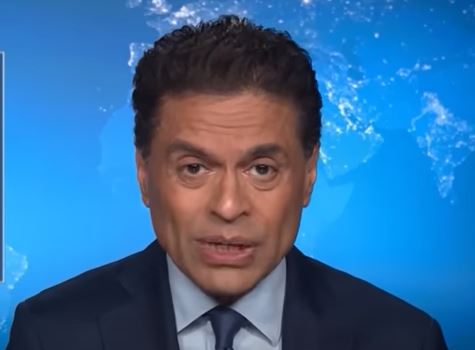
CNN journalist and broadcaster Fareed Zakaria has made a very reasonable and concise analysis of President Biden’s strategy in the Near East, describing it as a strategy namely marked by methods of political de-escalation as it seeks to avoid a wider military conflict in the region.
There is, of course, another side to the argument in favor of Biden’s strategy, and this is the potential and every possible scenario that more bloodshed and wars would occour as a consequence of the US forces pulling out from Iraq. Those who strongly believe in the counter-analysis may also argue that effective military action could once again subdue Iran and its proxies in the region and effectively reduce conflict and instability.
The US forces in the region have been relatively effective in protecting the Kurds and other minorities from further displacement and serve as a source of stability in a region where terrorist groups have the proclivity to grow. Iran, on the other hand, is in the process of colonising both Syria and Iraq.
The Houthis, who are sponsored and funded by Iran, have disrupted a previous democratic process in Yemen to take over Yemen’s oil and gas-rich-laden coast of the Red Sea. They have been responsible for multiple war crimes and crimes of humanity and as of recently sentenced a human rights activist to death. Ultimately, the Houthis right now, like any Iranian proxy group in the Near East, are fighting an active war against the US in the region and their blockade of the Red Sea does nothing to effectively (or in the long-term) help Palestinians in Gaza.

Website Editor
Historian and Publisher


Leave a Reply