



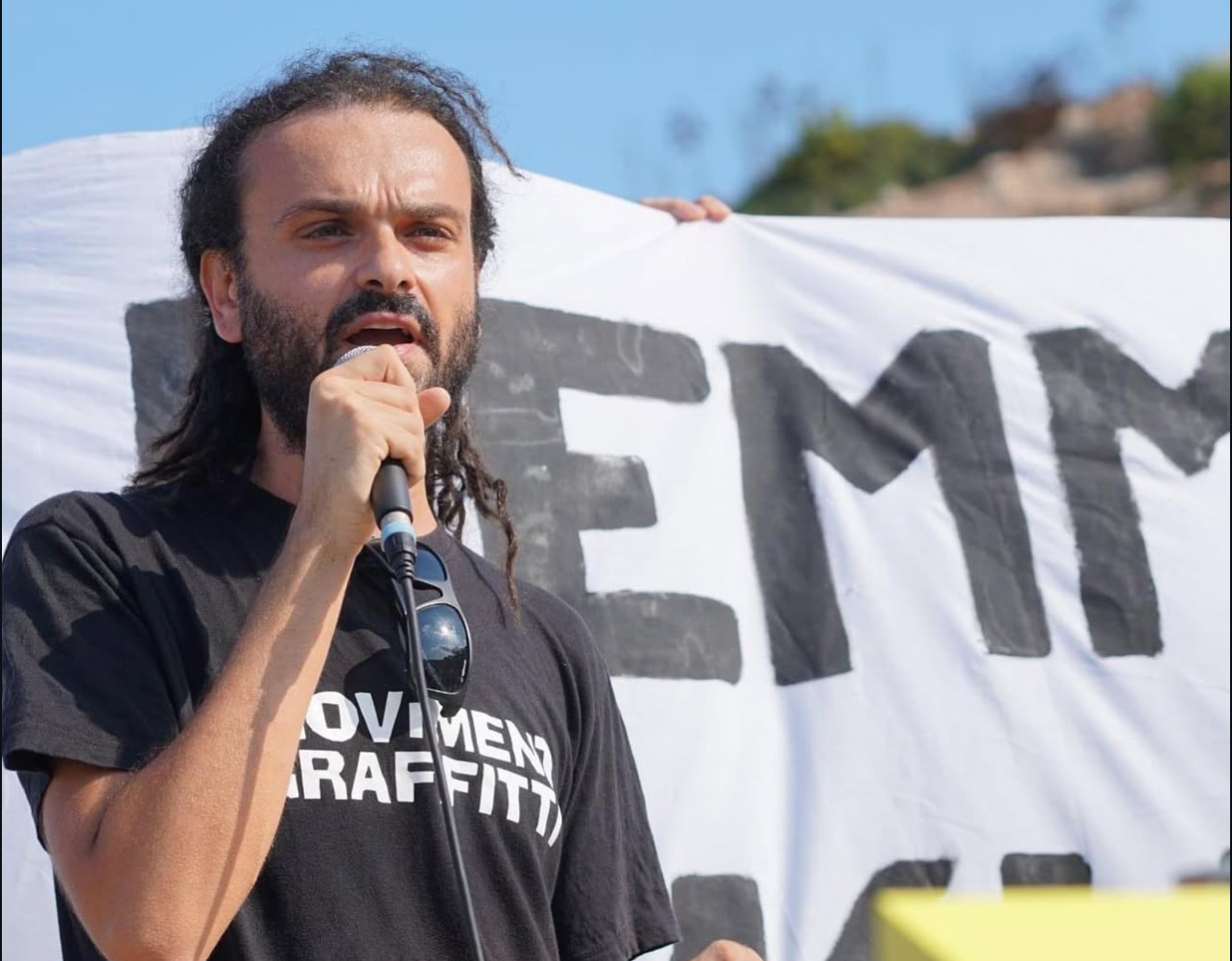
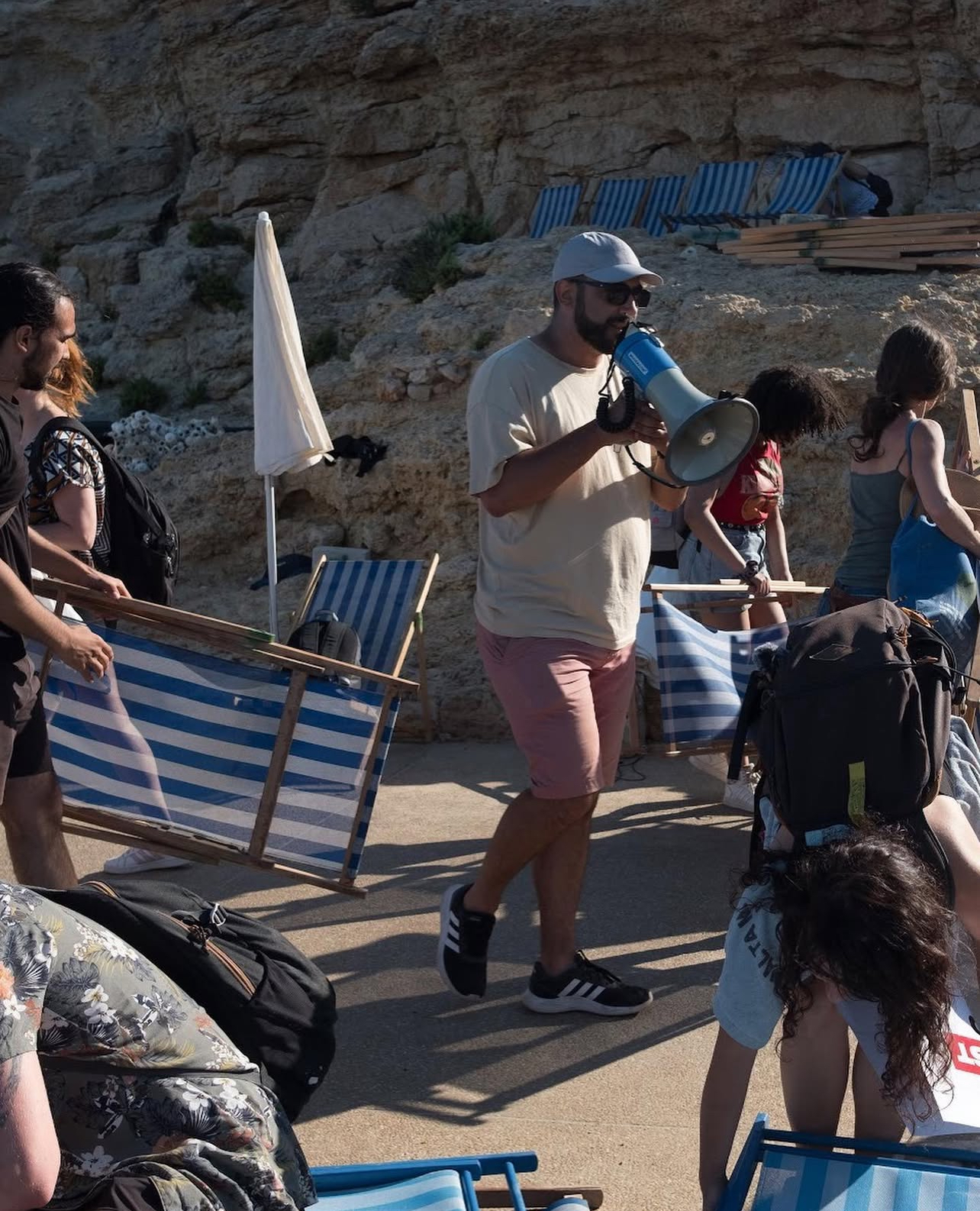
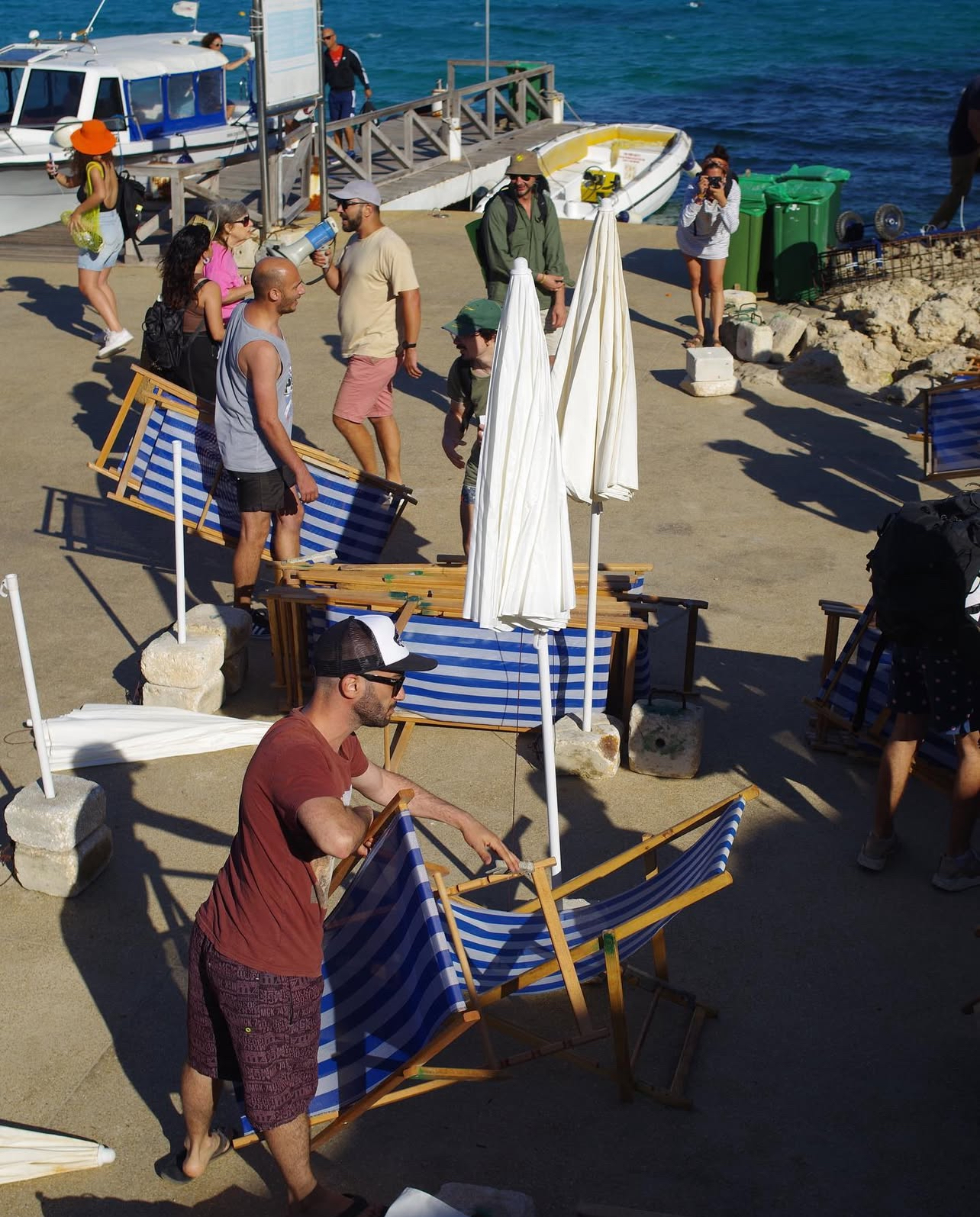
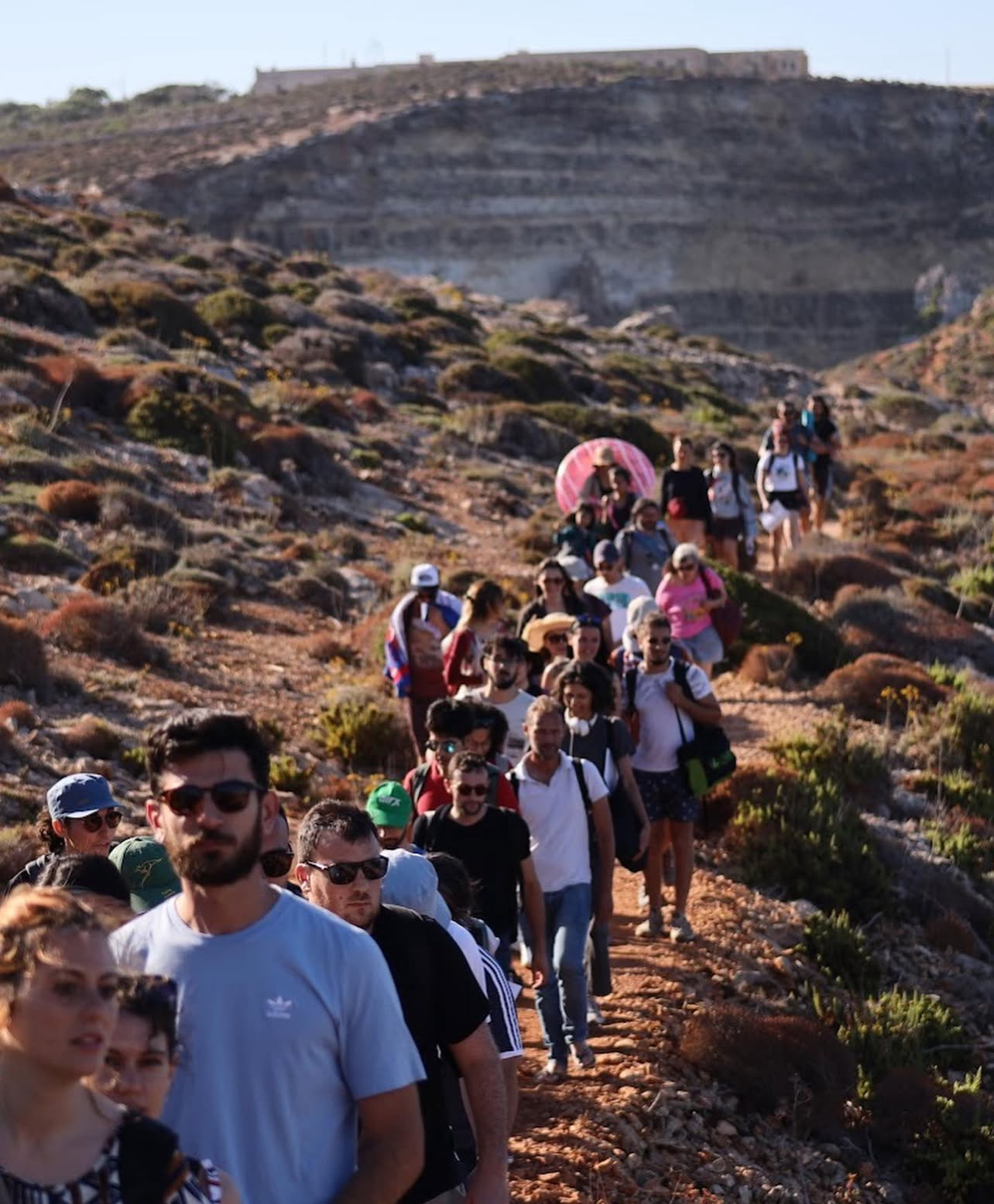
When Moviment Graffitti activists stormed Comino’s Blue Lagoon, removing deckchairs and umbrellas in protest, it was more than just an act of defiance. It was a symptom of a larger issue: Malta’s lack of environmental enforcement.
“The authorities only act when they feel pressure from large numbers of angry people,” said Andre Callus, the de facto leader of Moviment Graffitti, in an interview with Times of Malta. “We are constantly invited to meetings where nothing gets done. It’s all just blah blah blah.”
Graffitti’s bold direct action on Comino resonated with the public. As Callus walked through Manoel Island—another site of past environmental battles—he was stopped by a passerby. “Well done for what you did on Comino! Keep going, because that’s what we need,” the man said, as if speaking to an old friend.


Comino: A Symbol of Malta’s Broken System
Comino’s Blue Lagoon, once a pristine paradise, has become an overcrowded, heavily commercialized site. “Big catamarans unload hundreds of tourists at once. Six enormous kiosks sell alcohol in pineapples, which are discarded all over the island. Straws and cups litter the ground, attracting rats,” Callus explained.
The Malta Tourism Authority (MTA) had announced restrictions on sunbeds at Blue Lagoon, but Callus remains unconvinced. “Removing a few deckchairs is not enough. The problem is a massive web of commercial interests destroying an ecologically sensitive area.”
Even in the off-season, the commercial exploitation continues. Moviment Graffitti had released a video showing a kiosk blasting loud music at Blue Lagoon in the middle of winter. “It is unacceptable that Comino is exploited year-round by kiosk operators who seek to profit off public land,” the NGO stated.
This comes despite a previous promise by Tourism Minister Clayton Bartolo, who had said that kiosks would no longer be allowed to amplify music. Graffitti is now demanding proper enforcement to ensure these rules are upheld—not just during peak tourist season, but all year round.

A Fight for Transparency
Callus’s activism goes beyond protests—he has spent years battling for transparency in land deals. In 2022, he filed a Freedom of Information (FOI) request seeking details on contracts related to Comino. The Lands Authority refused, citing excessive resource requirements and potential commercial harm.
Undeterred, Callus appealed. The Information and Data Protection Commissioner ruled in his favor, ordering the Lands Authority to release the documents. Instead, the agency fought back, dragging the case to a tribunal and then to court.
In October 2024, the Court of Appeal upheld the decision against the Lands Authority, stating that it must hand over the requested contracts. The ruling dismissed the authority’s claim that retrieving the documents would be too burdensome, noting that such information should already be digitised and accessible.
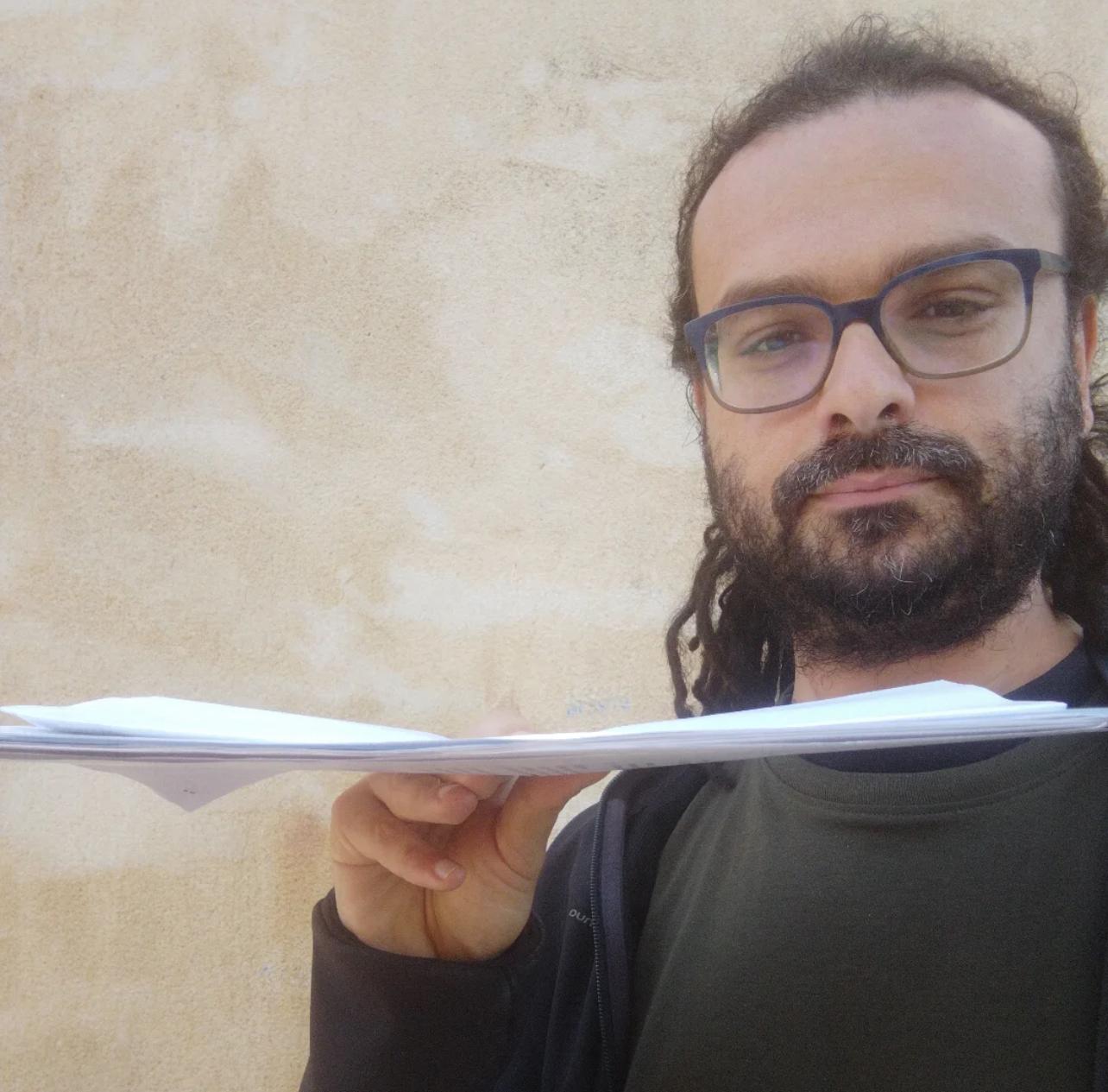
Yet when Callus and his team went to collect the documents on the 24th of January 2025, they found something astonishing.
“We were worrying that we wouldn’t be able to carry all the documents,” Callus said, referencing the Lands Authority’s claim that complying with the request would “substantially and unreasonably divert” its resources. “Surprisingly, we found that these documents in their entirety— which in the Authority’s words would have substantially and unreasonably diverted its resources to compile—amounted to a couple of pages.”
For Callus, this confirms what he and many others have long suspected. “This is a clear demonstration of how public authorities are captured by private interests, who defend greed and screw the people.”
What’s Next?
Despite legal victories, Callus and other activists understand the battle is far from won. “People are upset, and not just about Comino. It is a much broader anger with a political system that does not work in the best interest of people.”
But there are signs their campaign is beginning to bear fruit. Moviment Graffitti has welcomed Tourism Minister Ian Borg’s recent vow to curb rampant commercialisation on Comino. The NGO had been calling for strong controls on the tourist boats that bring hundreds of tourists onto the tiny nature reserve several times daily, damaging the environment.
Graffitti also endorsed the Minister’s policy to organise the kiosks, pointing out that the number now is unmanageable. The group does warn, though, that kiosk activities must not spill over into new areas such as Santa Maria Bay, where their presence already threatens to undermine government-driven habitat recovery efforts.
The activists now demand publication of the long-promised Comino’s carrying capacity study, which was ordered by the Environment and Resources Authority (ERA) but has yet to be published. “The public has a right to view this information and assess the authorities’ actions, or inactions, to protect and restore Comino as a Natura 2000 site,” Graffitti said.
Meanwhile, there are private development threats still to be concerned about. The Hili Group proposed hotel and villas at San Niklaw and Santa Marija bay, with permits still pending, even though they are incompatible with the protection status of Comino and the public right to enjoy it.
Moviment Graffitti acknowledged the role of public pressure in forcing the authorities to act, but warned that words must be followed by action. “We hope Ian Borg’s words are followed by tangible actions for the common good and do not prove to be another broken promise, as with the planning appeals reform.”


Newsroom

Leave a Reply