



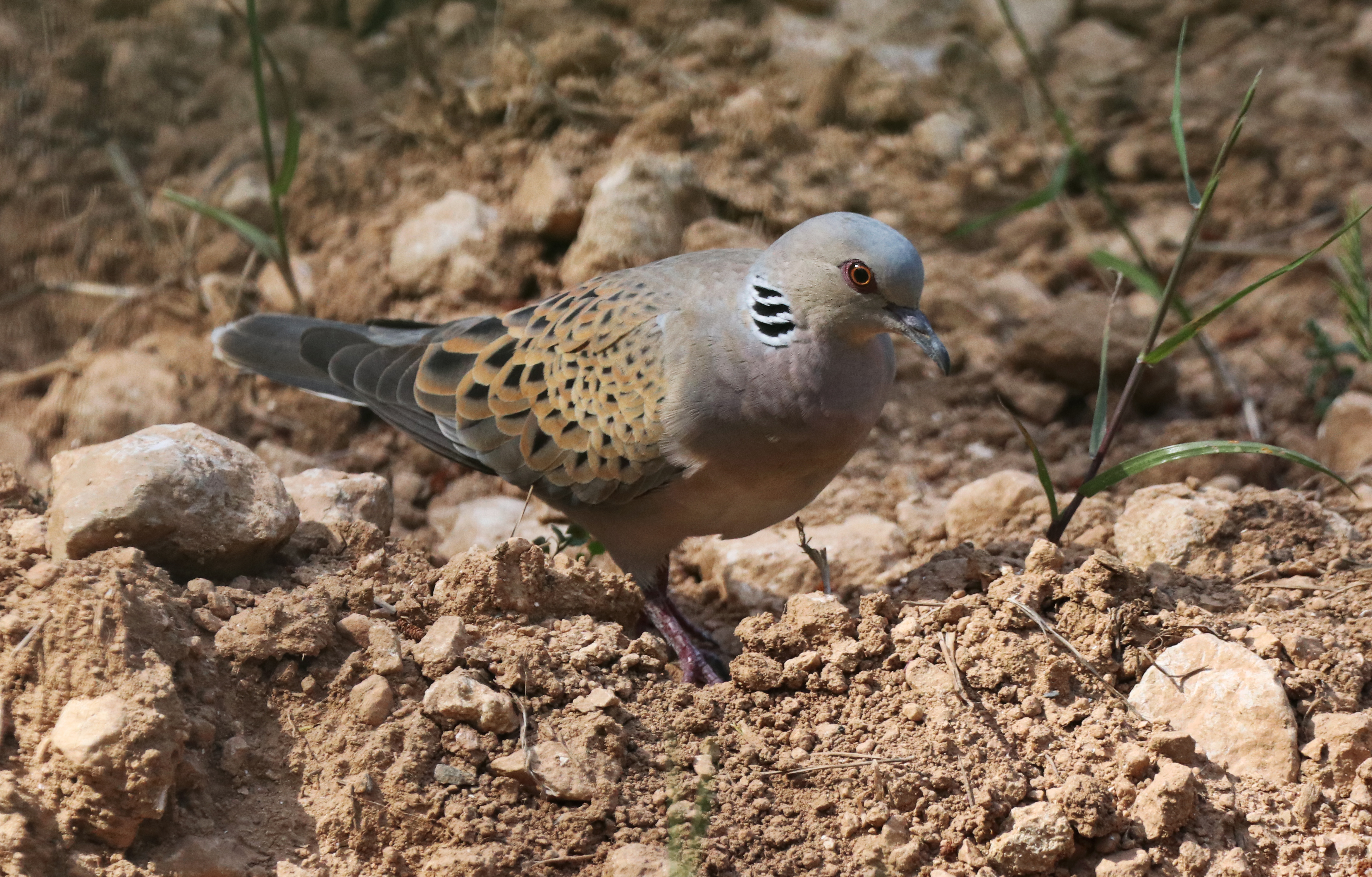
BirdLife Malta has accused Malta’s hunting federation, FKNK, of misleading the public by presenting a minor uptick in European Turtle-dove numbers as evidence of species recovery, while omitting critical data and EU recommendations calling for a continued zero harvest.
In a strongly worded statement, BirdLife Malta slammed FKNK’s recent interpretation of Central-Eastern European population data, calling it a “greenwashing attempt” that ignores long-term trends and expert guidance.
FKNK cited reported increases in Turtle-dove sightings across Central-Eastern Europe to support its claim of species recovery. However, according to a 2025 EU Task Force report, the observed rise is not statistically significant and may reflect only early stabilisation following past hunting restrictions.
“The weak population response observed in this flyway… indicates that harvest is probably still significant or at levels above an as-yet-unknown safety level,” the report notes.
BirdLife Malta emphasised that Turtle-dove populations along the Central-Eastern flyway, which includes Malta, have plummeted by 37% since 2005, a loss of around 340,000 breeding pairs. The 10-year trend has shifted from “stable” to “moderate decline.”
Despite these warnings, Malta once again opened a spring hunting season for Turtle-doves in 2025, a move BirdLife says has already led to illegal hunting incidents even before the official start date. BirdLife also criticised the reinstatement of a derogation allowing Turtle-dove trapping, a practice banned by the EU since 2011. Details of this derogation have not been disclosed despite formal requests.
Nicholas Barbara, Head of Conservation at BirdLife Malta, accused FKNK of distorting facts and using “misleading narratives” to justify hunting. He cited examples such as branding captive breeding as “reintroduction” and framing illegal trapping under the guise of “research.”
“At this point,” Barbara said, “the only thing left for FKNK to claim is that illegally hunting a vulnerable species on its spring return to Europe is somehow a form of conservation.”

News Editor
Journalist and Newscaster
Leave a Reply