



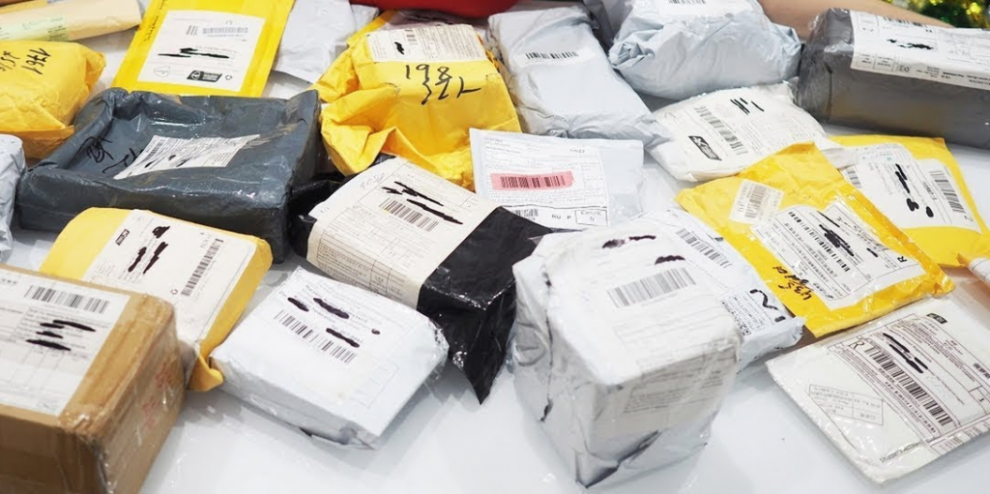
The European Parliament has backed a series of proposals aimed at tightening control over the flood of cheap, substandard goods entering the EU via non-EU e-commerce platforms. With 619 votes in favour, the adopted report outlines key measures to modernise customs, ensure product safety, and level the playing field for EU businesses.
Every day, around 12 million small parcels enter the EU from third countries, often escaping proper checks. Many are undervalued to avoid customs duties, with nearly 65% of shipments suspected of deliberate under-declaration.
Warehousing and customs reform
One key recommendation is to incentivise non-EU traders to establish warehouses within the EU, making it easier to inspect bulk shipments. This approach could ease pressure on border checks and improve consumer protection.
MEPs also support scrapping the €150 customs exemption for low-value goods – a widely abused loophole – as part of a broader overhaul of the EU Customs Code, now under negotiation with the Council.
€2 handling fee and WTO compliance
The report cautiously endorses the European Commission’s idea of a €2 handling fee on each non-EU parcel, provided it complies with WTO rules and is not passed on to EU consumers. The fee would serve as a disincentive to flood the market with individual cheap packages while helping to cover customs processing costs.
AI and blockchain for smarter borders
To modernise customs operations, MEPs advocate for increased digitalisation, including the use of AI and blockchain technologies. These tools could streamline checks and better track the origin and safety of goods. Member states are urged to boost funding for customs authorities to support tech adoption.
Tackling high-risk operators
In addition, MEPs call for stricter enforcement of existing rules and demand full traceability of sellers. They also propose restricting high-risk vendors from sensitive areas such as border security systems and airport scanning equipment.
“Hidden risks” in online shopping
Lead MEP Salvatore De Meo (EPP, IT) summed up the urgency: “Behind every online purchase, there may be hidden risks to health, safety, and consumer rights – and too often, these risks come from non-EU operators who bypass the rules. Our businesses cannot be expected to compete on such unfair terms.”
The measures aim to restore balance in the EU’s digital marketplace – fairer for EU businesses, safer for EU consumers, and more transparent for everyone.
The adopted proposals will inform ongoing negotiations on the EU’s Customs Code reform, launched on 8th July 2025.

News Editor
Journalist and Newscaster

Leave a Reply