



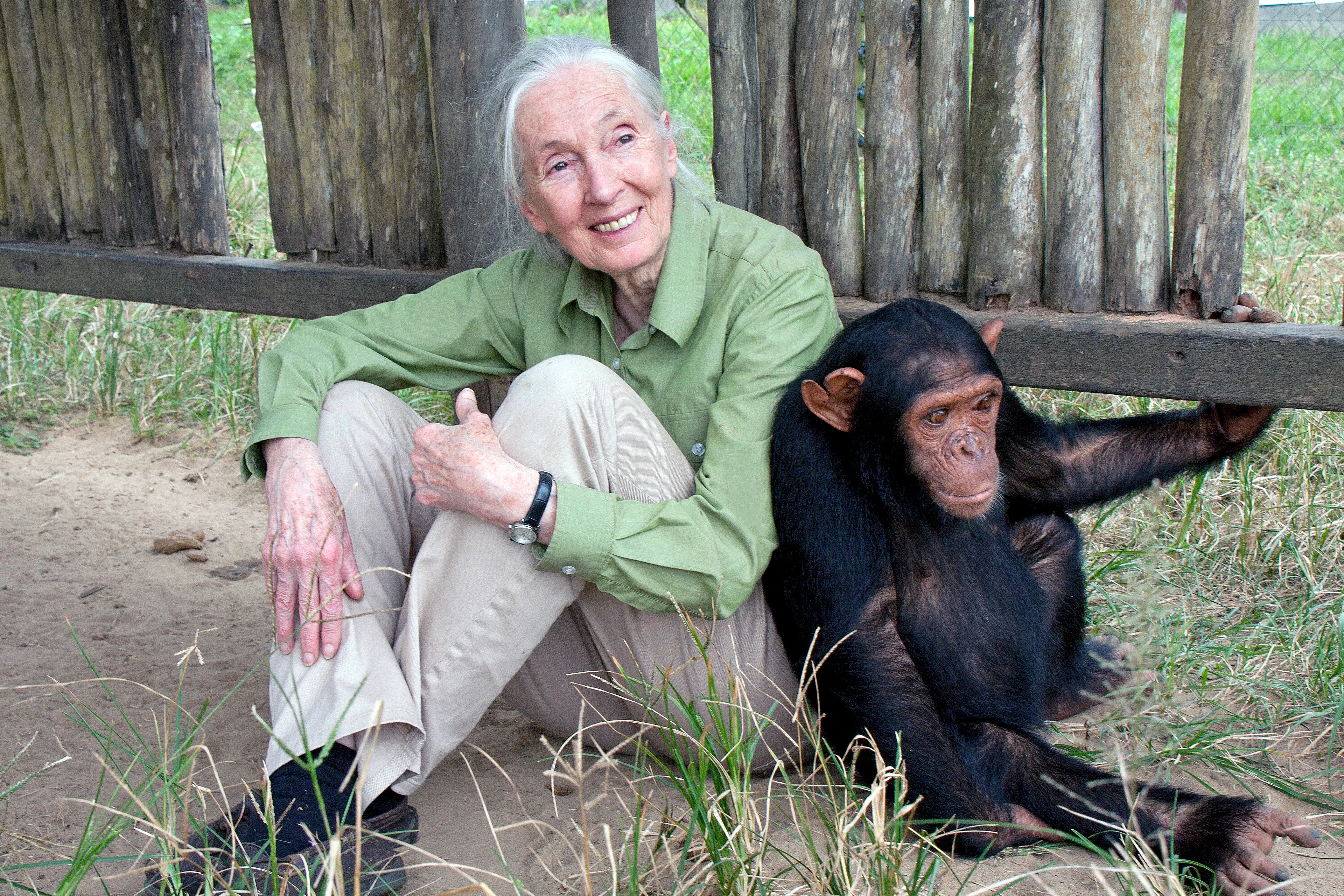
Dame Jane Goodall, the British primatologist and environmental advocate whose groundbreaking studies transformed human understanding of chimpanzees, has passed away at age 91. Her institute confirmed she died of natural causes while in California on a speaking tour in the United States.
A life that rewrote science
Jane Goodall’s career stands as one of the most influential in modern biology and conservation. Born in London in 1934, she lacked formal training in science when she first travelled to Africa in her early 20s.
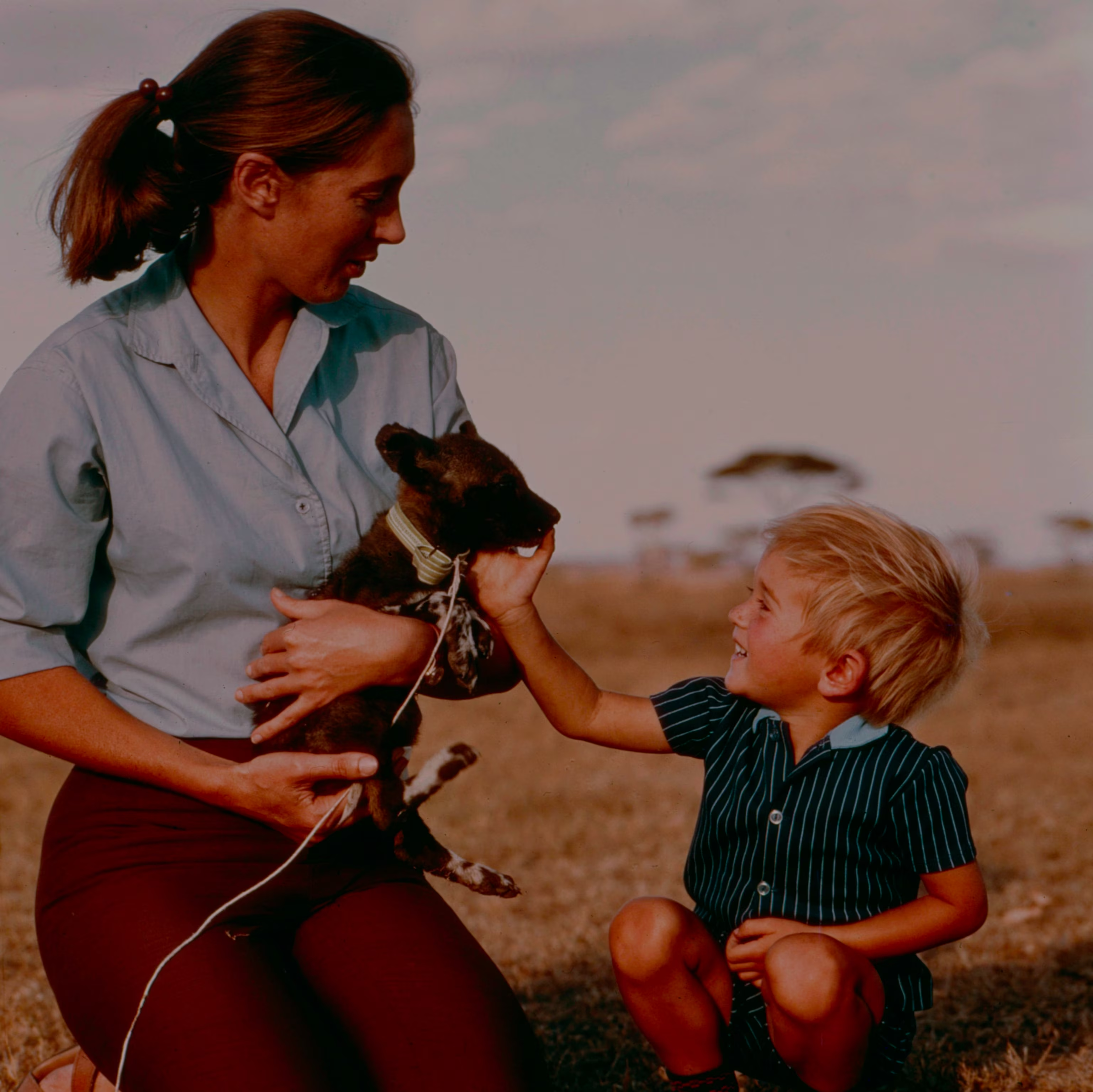
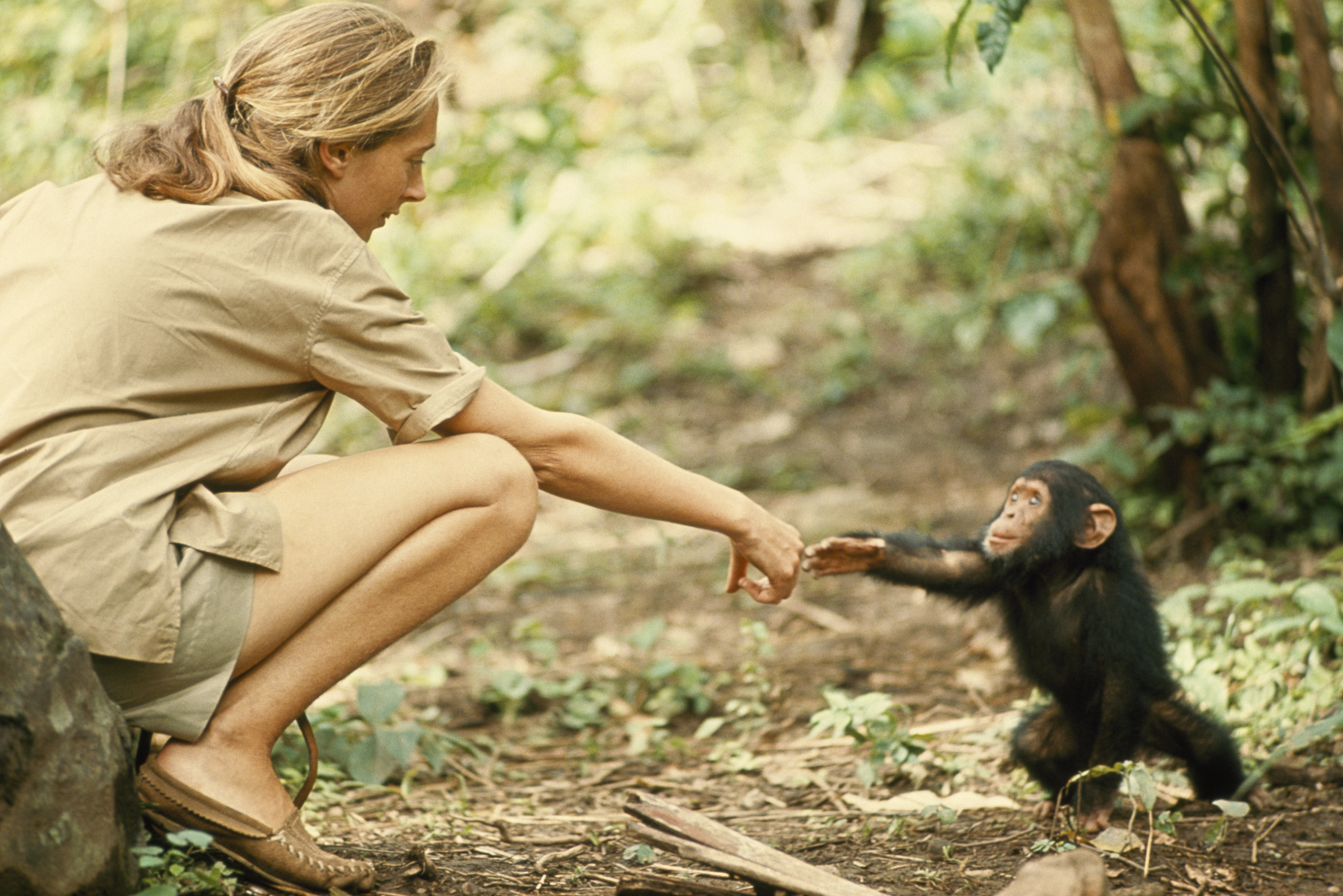
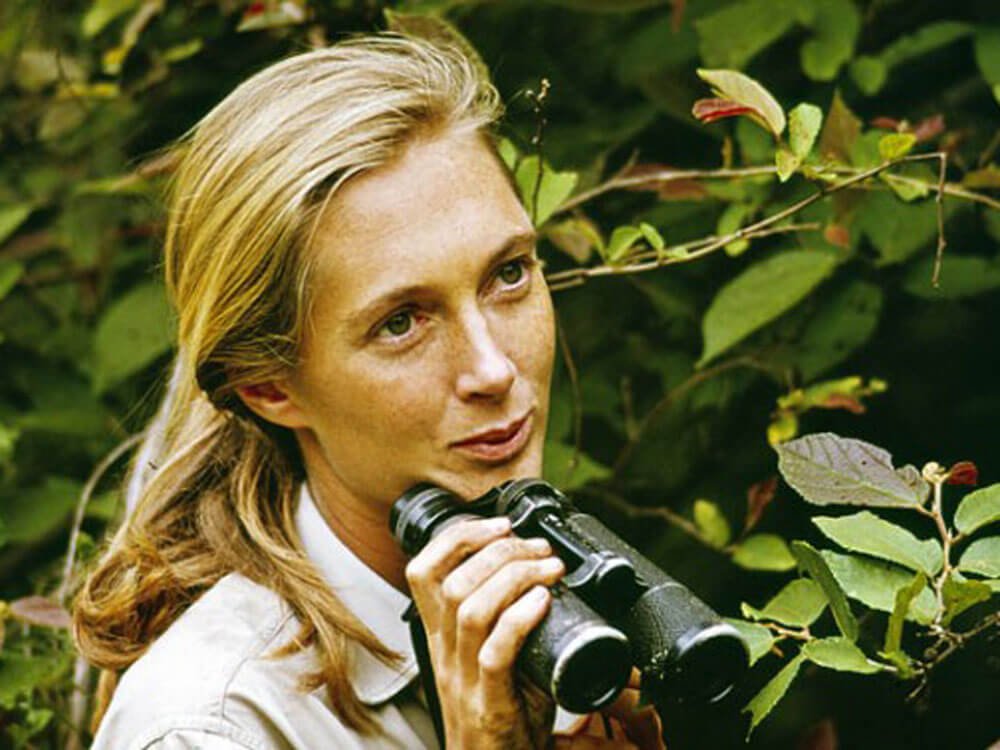
Her journey intersected with anthropologist Louis Leakey, who hired her to observe chimpanzees in what would become Gombe Stream National Park, Tanzania. There, Goodall made some of the most startling discoveries in primatology – chimpanzees use tools, have personalities, show emotion, and form complex social hierarchies.
These findings challenged the prevailing scientific consensus that tool use and emotional complexity were unique to humans, and they reshaped how primate behaviour is studied.
From field research to global advocacy
As her reputation grew, Goodall shifted from pure observation to global advocacy. In 1977 she founded the Jane Goodall Institute, dedicated to wildlife conservation, research, and community-centered projects. In 1991 she launched Roots & Shoots, a youth-led initiative to engage young people in environmental and humanitarian causes.
Even into her 80s and 90s, she maintained an intense travel schedule, speaking at events worldwide – often 300 days a year – to promote conservation and climate awareness. According to her institute, she died while on one such speaking engagement.
Her honours were numerous: in 2025, she received the U.S. Presidential Medal of Freedom. Earlier recognitions include the Templeton Prize (2021) and the title of Dame Commander of the Order of the British Empire.
Legacy and global response
Tributes have flooded in from scientists, political leaders, and ordinary citizens alike. Many reflect on how Goodall’s patient, empathetic approach to animals shifted the way we see ourselves in relation to nature.
Former US President Joe Biden wrote: “Jill and I are deeply saddened to learn of the passing of Jane Goodall whose activism, vision, and message of hope mobilized a global movement to protect the planet. Above all, Jane taught us that when we search for humanity in the natural world around us, we discover it within ourselves. We are sending our love and strength to the Goodall family and everyone who was touched by her remarkable life of service.”
Also former US President Barack Obama also paid tribute, noting her influence on both science and society: “Jane Goodall had a remarkable ability to inspire us to connect with the natural wonders of our world, and her groundbreaking work on primates and the importance of conservation opened doors for generations of women in science. Michelle and I are thinking of all those who loved and admired her.”
Her death also prompts reflection on urgent environmental challenges. She often warned that humanity is at a crossroads—urging action on climate change, habitat preservation, and coexistence with nature.
She is survived by her son, Hugo, and her influence endures not only in the field of primatology but in youth-led movements and conservation efforts around the world.
As the world reflects on her departure, Jane Goodall’s life remains a testament to what one person’s curiosity, courage, and conviction can achieve.


News Editor
Journalist and Newscaster
Leave a Reply