



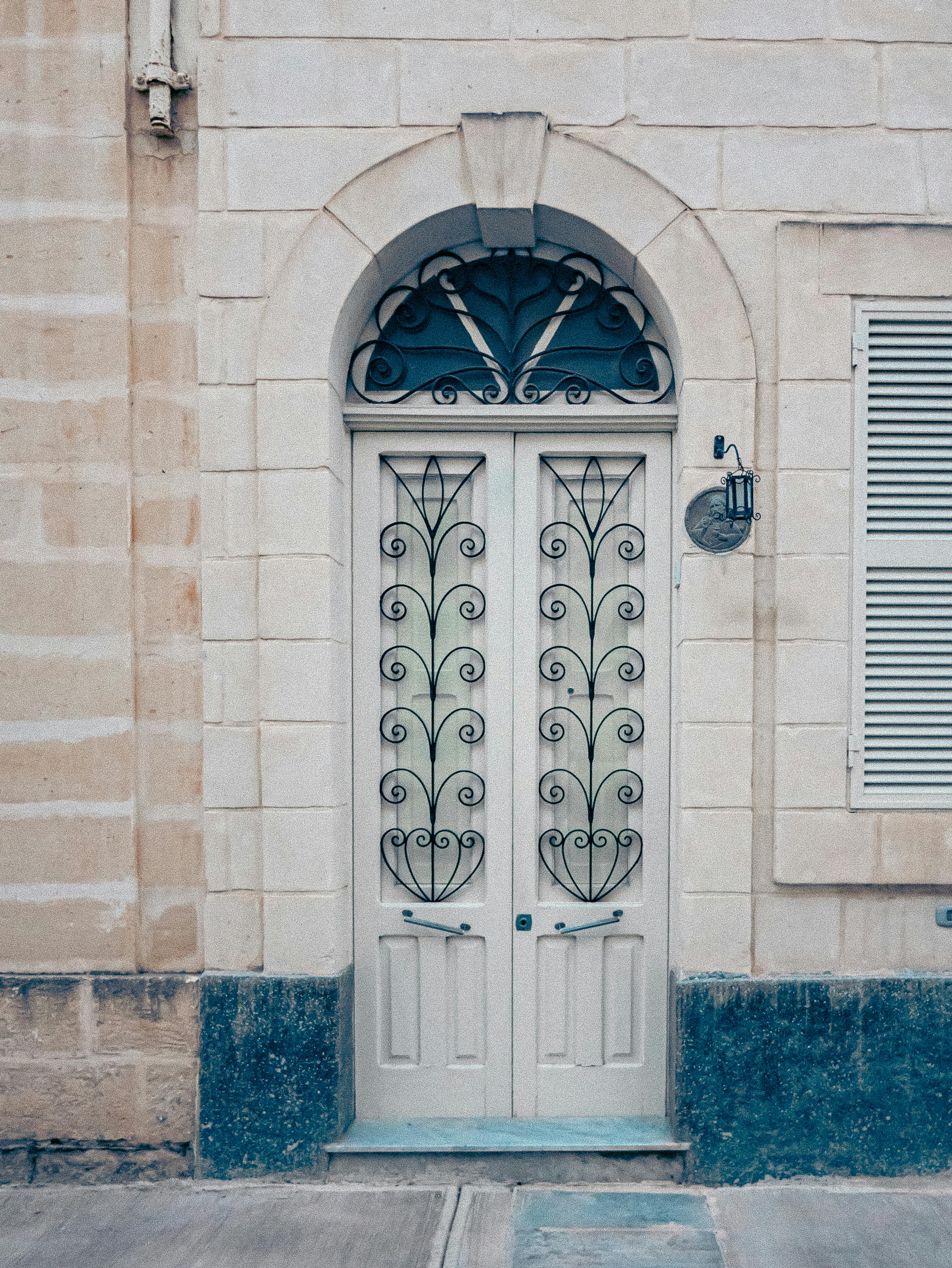
According to the latest EU Statistics on Income and Living Conditions (EU-SILC) survey, conducted across 4,538 households in 2024, two-thirds of all inhabited dwellings in Malta and Gozo are owner-occupied, reflecting the country’s strong culture of home ownership, however the rate has decreased substantially from 2019 which was at 80%.
The survey found that 66.4% of all households owned their main dwelling, with nearly half of these (48.1%) owning their home outright. A higher share of ownership was recorded among households with dependent children (69.1%), compared to those without (65.4%). Conversely, 30.6 per cent of households without dependent children were living in rented dwellings, slightly higher than the 27.3% among households with children.
When it comes to housing types, apartments and maisonettes accounted for 65.7% of all inhabited dwellings, while 30.9% were terraced or semi-detached houses. The largest proportion of dwellings had five rooms, followed by four-room and six-room homes, highlighting the predominance of medium-sized households in Malta’s housing landscape.
Despite high rates of home ownership, housing costs remain a challenge for many. More than half of respondents (52.8%) said these costs were a slight burden, while 22.3% described them as a heavy burden. Only a quarter (24.9%) said they experienced no burden at all.
The burden was felt most strongly among the severely materially deprived, 76.5% of whom considered housing costs a heavy burden. Even among those classified as at risk of poverty, 41.0% shared the same concern, underscoring housing affordability as a persistent issue.
The survey also revealed that 4.4% of people live in overcrowded households, where the number of rooms is insufficient relative to the household’s size and composition.
Environmental and social factors also featured prominently in respondents’ experiences. Pollution, grime, and other environmental issues were the most commonly cited housing problems, affecting 37.6% of households. Noise disturbances, whether from neighbours or the street, were reported by 34.0% of respondents, reflecting growing concerns about urban living conditions.


News Editor
Journalist and Newscaster


Leave a Reply