



EU lawmakers have struck a historic agreement on the bloc’s first comprehensive rules governing the breeding, housing, traceability and import of cats and dogs, aiming to stamp out abusive practices and safeguard animal health.
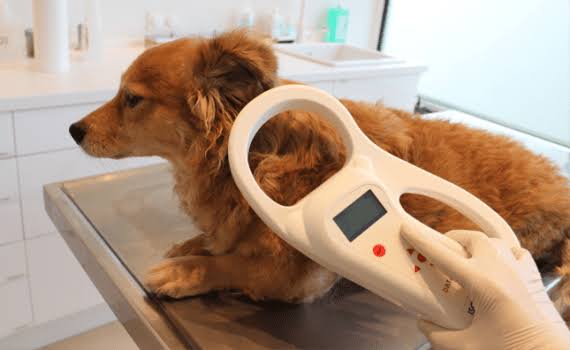
Under the draft law, approved in informal negotiations between Parliament and Council, all dogs and cats in the EU, including privately owned pets, will have to be microchipped and listed in interoperable national databases. Breeders, sellers and shelters will be given four years to meet the new requirements. Pet owners who do not sell animals will have longer transition periods: 10 years for dogs and 15 years for cats.
The legislation tackles long-criticised breeding practices by banning mating between close relatives such as parents and offspring, siblings, half-siblings, and grandparents and grandchildren. It also outlaws breeding for exaggerated physical traits that put animals at risk. Mutilated dogs and cats, as well as animals bred with harmful traits, will no longer be permitted in shows, exhibitions or competitions. The deal further prohibits the tethering of pets except for medical necessity and bans the use of prong and choke collars unless fitted with safety mechanisms.
To prevent animals from being imported as “non-commercial pets” and then sold within the EU, the rules will also cover non-commercial movements from third countries. Dogs and cats entering the EU for sale must be microchipped before arrival and registered in a national database afterward. Pet owners travelling into the EU must pre-register their microchipped animal at least five working days before entry, unless coming from exempt countries or if the animal is already registered in an EU database.
The agreement now awaits formal approval from both institutions before becoming law, marking a major step forward for animal welfare across Europe.

News Editor
Journalist and Newscaster


Leave a Reply