



Among the new wave of young comedians becoming famous thanks to social media there is a very particular sub-set which focuses on Mediterraneans, but mainly on the old habits and customs of elder Mediterranean people. This new comedy niche, which has grown very popular thanks to Sooshi Mango, who seem to be leading the trend, involves the children of migrant parents to Australia or the US making fun of their parents. The humour is excellent, with a strong emphasis on hyperbole rooted in specific details that many of us Mediterraneans take for granted in everyday life. Diaspora children, however, are able to lean into these jokes more effectively because they grew up with their parents in a different culture, allowing them to see both worldviews
Featured in the photo above is Sooshi Mango’s skit about the stages of life. There is a recurring emphasis in the skits about the mother excessively feeding her sons, a very common trait among Mediterranean mothers who are known for truly loving and caring for their children. On the other hand, the Mediterranean father and male elders are portrayed perfectly well in their stereotype as the tough guys who downplay the challenges of their sons and the younger generations because they suffered more than we do.

Making jokes about Mediterranean male elders is also Eva Calvani – a US-born citizen whose mother is Italian. Having lived in the US with Italian relatives in Italy, she has picked up on the distinctive peculiarities of Italian men and is satirising them with very hilarious skits: one of these is the love of Italian men of their mothers. You can find the skit here.
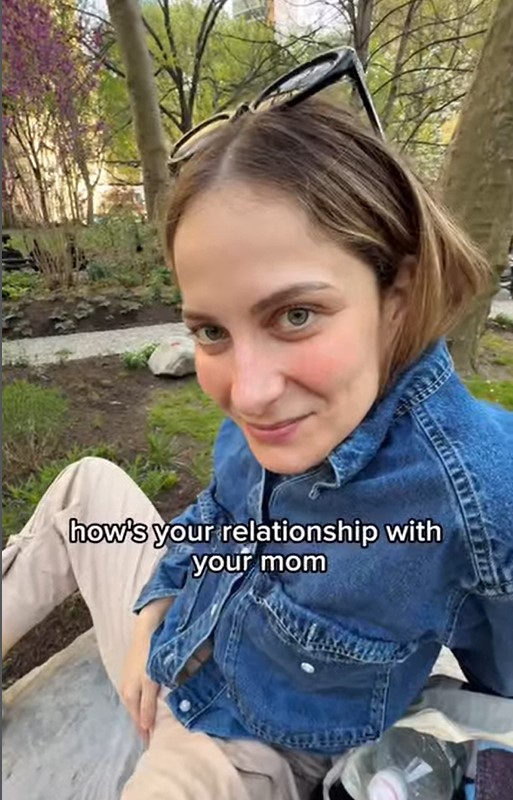
Clearly, Calvani is noticing the peculiarities and mannerisms of her elders which we do unconsciously and she amplifies them humorously: such as the big sigh of the elder Mediterranean who sits on his favourite chair of the house. There is even an elderly Maltese women herself in Australia, Carmen the Maltese, who is making her own satire and jokes about her generation by showing her every-day life and also sharing videos of her cooking of the Maltese fast-food delicacy, pastizzi.
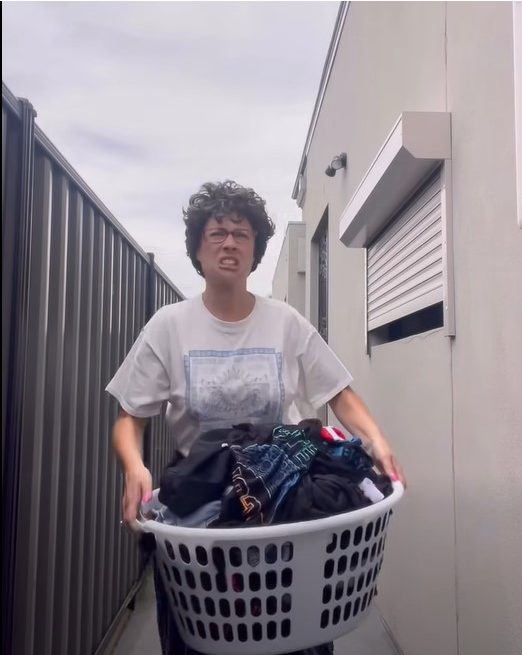
Another Mediterranean figure is Nonna Fina, who is featured thanks to her granddaughter. The stereotypical figure of the matriarchal figure loving their daughters and grand0daughters by excessively being preoccupied about them cooking a lot of for them re-emerges.
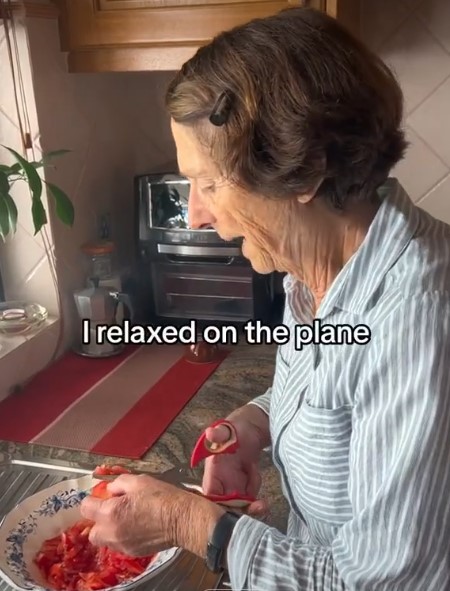
The Greeks are also part of this. Kat Zam is an Australian born to Greek parents, who makes a caricature of an aunt who is a lesbian, but keeps this fact as a semi-secret — a taboo subject that no one should openly discuss, even though everyone knows about it. This is a very typical Mediterranean custom.

I am sure there are others, and this new trend of comedy is serving as a beautiful celebration of Mediterranean culture and customs, but is also serving to document these custom sand culture. In fact, one of these comedians, Eva Calvani was also invited by Boston College (university) to explain idiomatic phrases to language students.
Malta has a diaspora of up to half a million people in Australia most of whom are generations beyond the first and second generations of settlers who knew the Maltese language. Canada has a Maltese diaspora of up to quarter of a million of Maltese descendants and the diaspora and descendants in London and the US exceeds 50,000 people each. Most of the young generations of today do not speak Maltese and are not Maltese citizens but they also have or had Maltese elder relatives.

Website Editor
Historian and Publisher


Leave a Reply