



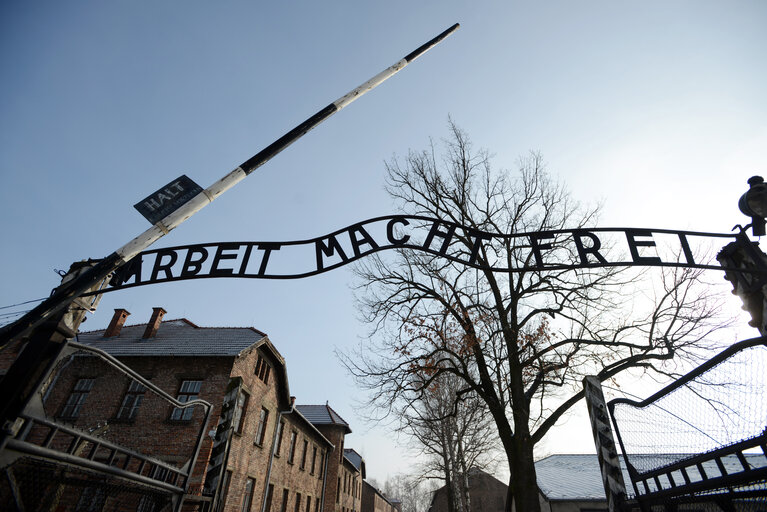
The European Parliament commemorated International Holocaust Remembrance Day on Tuesday, 27th January, with a solemn plenary session honouring the victims of the Holocaust, 81 years after the liberation of the Auschwitz Nazi concentration camp in 1945.
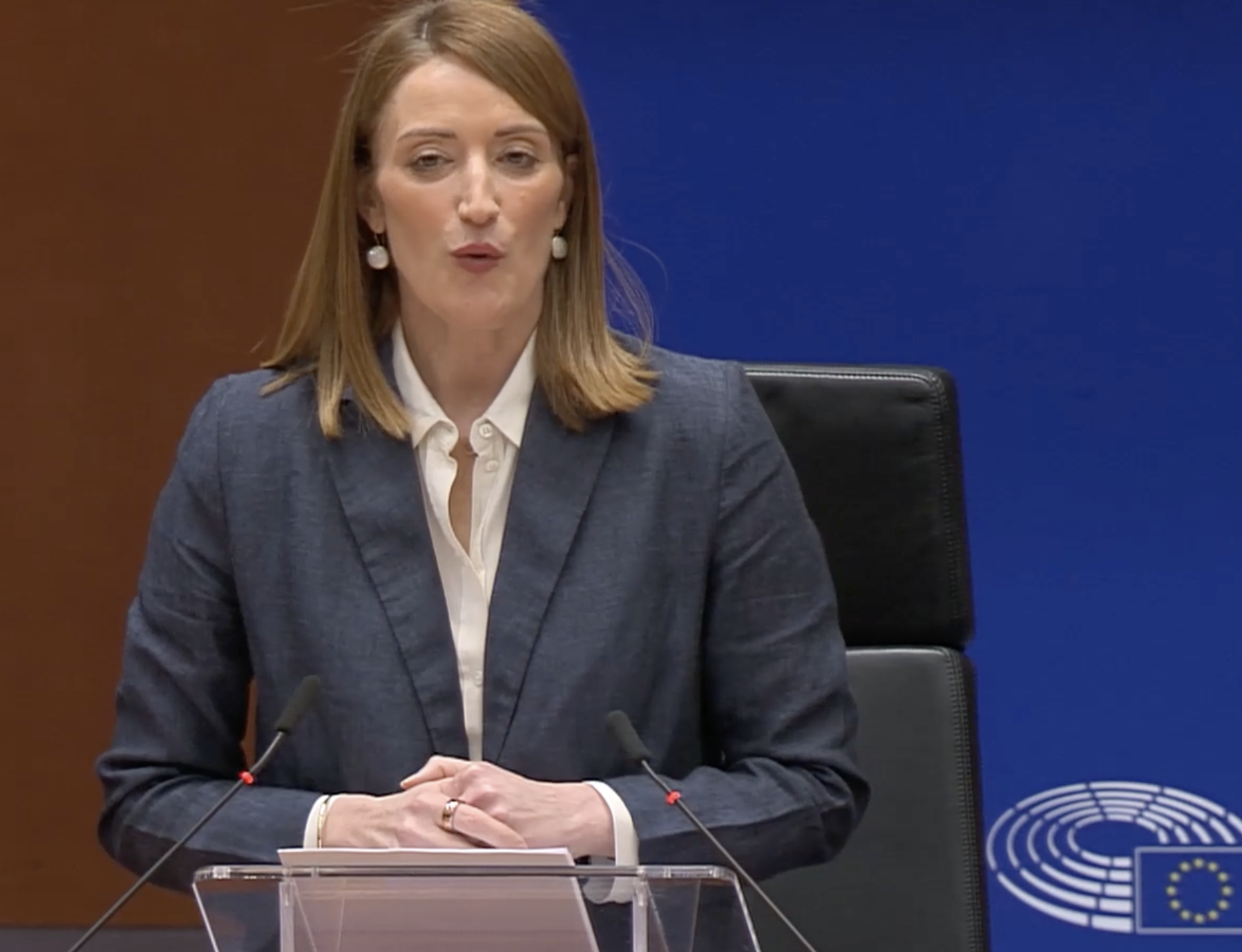
The commemoration was opened by European Parliament President Roberta Metsola, who recalled that the day is observed annually to honour the memory of the victims of the Holocaust. In her address, she warned of the persistence and resurgence of antisemitism in contemporary Europe, particularly in the digital sphere.
President Metsola said that antisemitism was spreading faster than ever, amplified online and transforming long-standing falsehoods into real-world violence. She stressed that remembrance carried a responsibility to actively confront hatred wherever it emerged, warning that the promise of “Never Again” must shape present-day choices and the kind of Europe being built collectively.
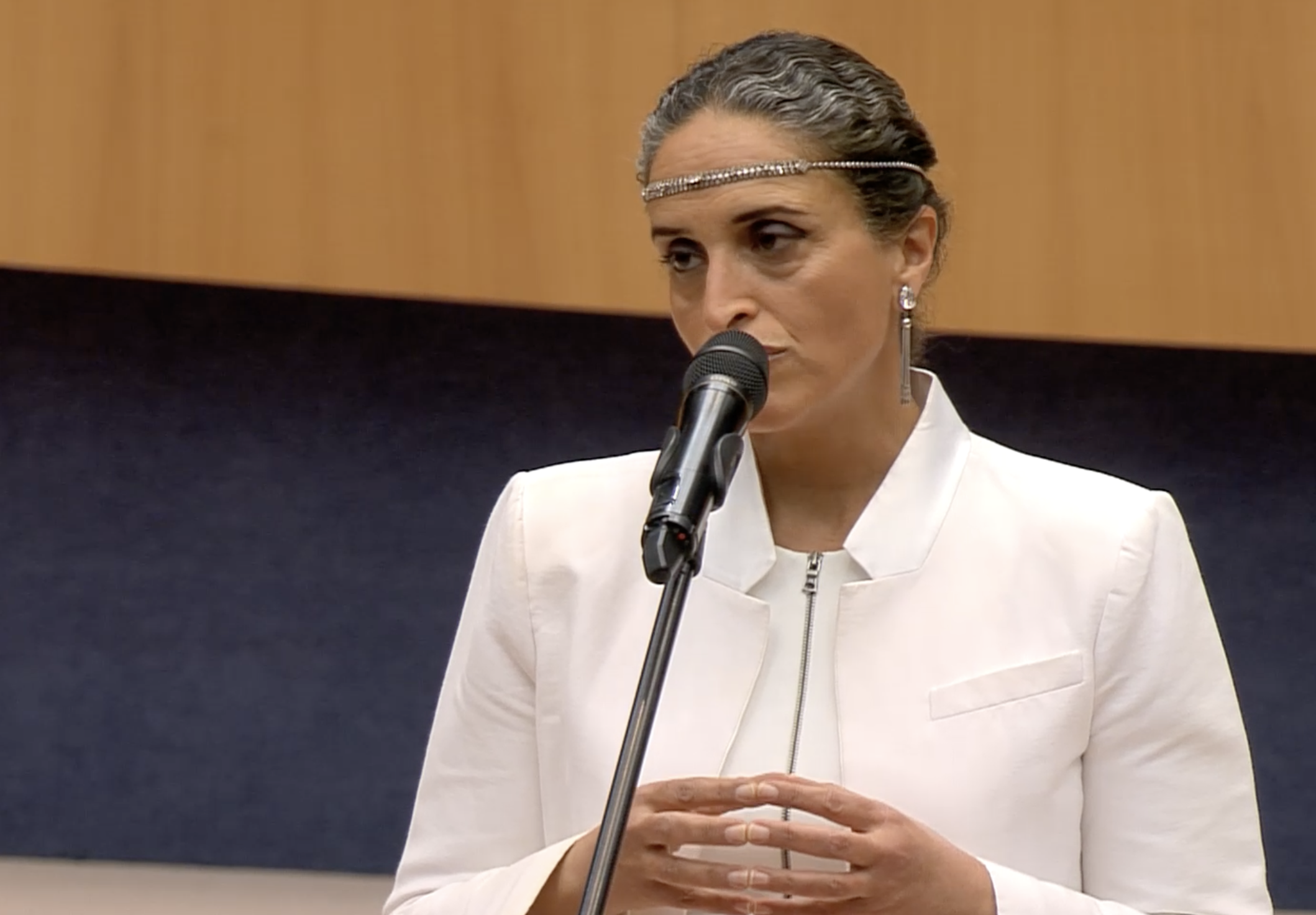
Her speech was followed by a musical performance of Beautiful That Way, composed by Nicola Piovani, performed by Israeli singer Noa.
The central testimony of the ceremony was delivered by Holocaust survivor Tatiana Bucci, who addressed Members of the European Parliament with a personal account of her family’s persecution and survival. Ms Bucci recounted how she, her sister Andra, their mother, aunt and cousin Sergio were deported to the Auschwitz-Birkenau concentration camp in March 1944.
She explained that she and Andra were often mistaken for twins, a confusion that, together with their cousin Sergio, helped them avoid immediate selection for the gas chambers. The three children survived ten months in Birkenau. Reflecting on her imprisonment, Ms Bucci told MEPs that she adapted quickly to camp life and came to understand her Jewish identity through the words of the guards, who treated such suffering as an expected fate. She described the camp not as life, but as a constant proximity to death.
The sisters’ lives were spared a second time when a camp guard discreetly warned them not to respond when prisoners were asked whether anyone wished to be reunited with their mothers. They passed the warning to their cousin Sergio, who nevertheless stepped forward. He was transferred to another camp, subjected to medical experimentation and later killed.
Following the liberation of Auschwitz, Tatiana and Andra Bucci were sent to Lingfield House orphanage in southern England before being reunited with their parents in Italy in December 1946.
Ms Bucci also recalled her return to Rome, where she and her sister were shown photographs of children in an attempt to identify survivors. She later learned that the images were of Jewish children murdered following the 1943 Nazi raid on Rome’s Jewish ghetto. Reflecting on those memories, she expressed the hope that children everywhere could grow up in peace and live full lives, adding that despite her experiences, she believed that life is beautiful.
After her address, Members of the European Parliament observed a minute’s silence in memory of the victims of the Holocaust. The ceremony concluded with a musical performance of Kaddish by Maurice Ravel.
The annual commemoration at the European Parliament formed part of broader international efforts to preserve the memory of the Holocaust and to reaffirm a commitment to opposing antisemitism, racism and hatred in all their forms.



News Editor
Journalist and Newscaster
Leave a Reply