



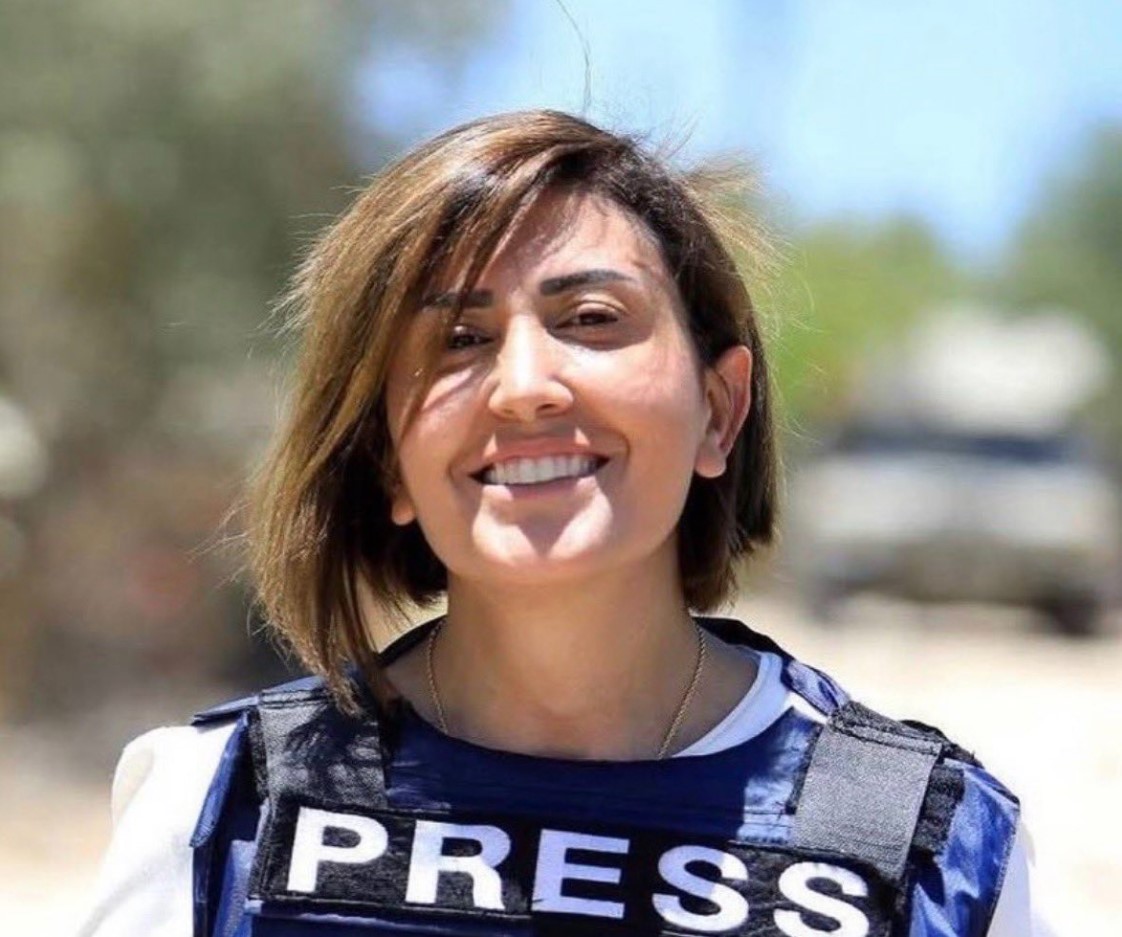
The killing of Lebanese journalist Amal Khalil this week is yet another brutal reminder of the risks faced by reporters who dare to document war from the frontlines. Khalil, a reporter for the pro-Hezbollah newspaper Al-Akhbar, was killed on 22 April 2026 after an Israeli airstrike struck the building where she had taken shelter in southern Lebanon.
Khalil was not a newcomer to conflict reporting. She had spent nearly two decades covering southern Lebanon, documenting the realities of war, displacement and resistance. Born in the coastal town of Baysariyyeh, she grew up under occupation and built her career reporting from areas most journalists avoid. Her work was deeply embedded in the communities she covered, often focusing on the human cost of conflict rather than the distant political narratives that dominate international media.
According to the Committee to Protect Journalists, Khalil and her colleagues were on assignment when the strike hit, trapping them under rubble. Rescue efforts were reportedly obstructed by continued shelling, raising serious concerns about whether journalists were deliberately targeted. The incident has sparked outrage among press freedom organisations, which warn that such attacks further erode the already fragile protections afforded to journalists in war zones.
Khalil’s death is part of a wider process in Lebanon and Palestine in which Israel is murdering journalists it considers hostile to its interests.
Feature below by Al-Akhbar.

Newsroom


Leave a Reply