



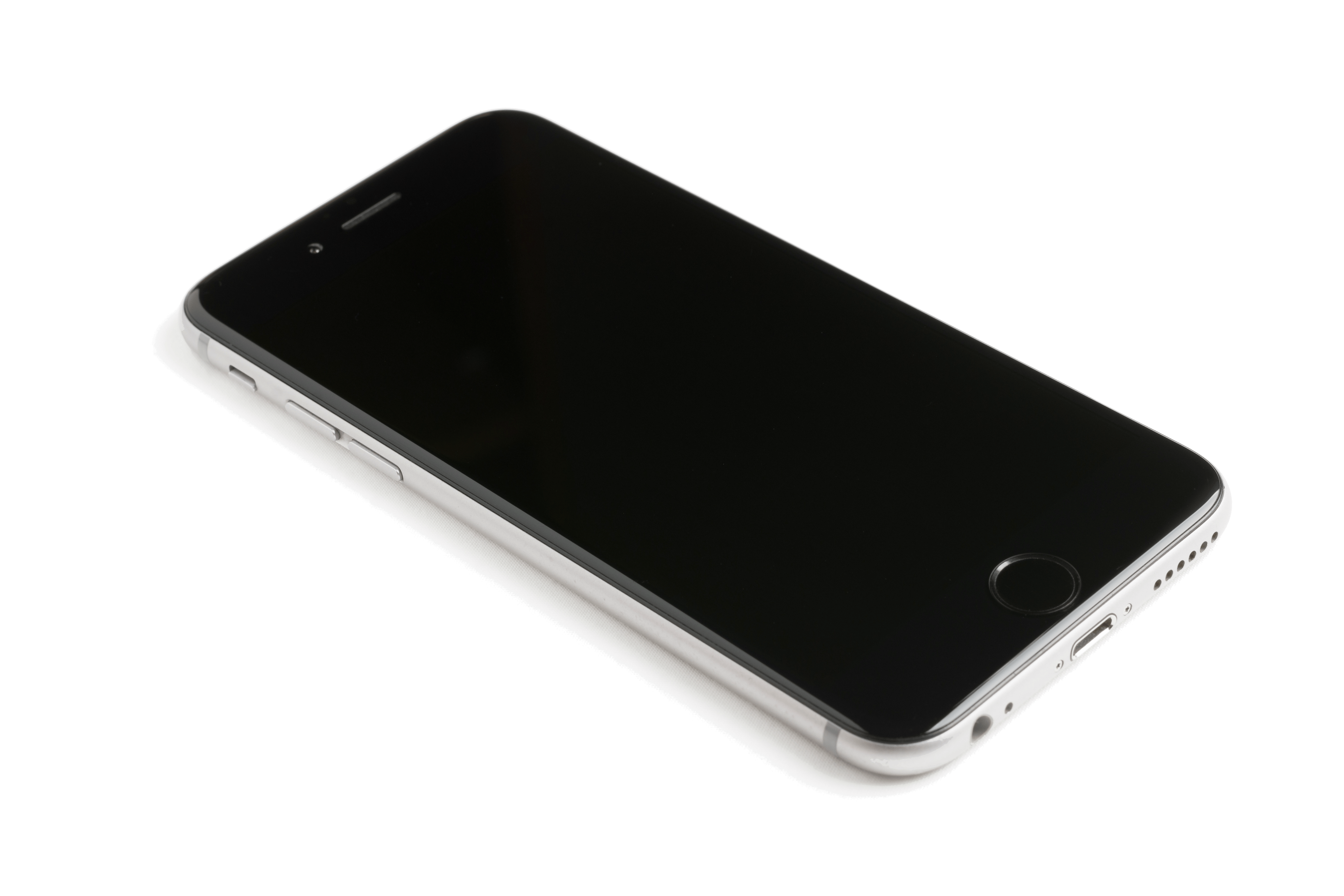
Malta has some of the highest mobile usage rates in the EU. Users are spending their screen time in several ways, mainly by consuming news locally and from further afield.
The smartphone has become an integral part of daily life. Around 4.3 billion people worldwide are estimated to own one, connecting the planet in ways that were unimaginable in the past. Malta has some of the highest mobile internet usage rates in the EU, manifesting itself in several ways, from the consumption of news and current affairs to social media use.
Malta’s increase in mobile usage
The Malta Communications Authority has confirmed a steep increase in mobile data usage, at the expense of standard calls and SMS messages. In four years, fixed-line telephone usage has also decreased by two-thirds. Against this backdrop, the number of mobile subscriptions increased by 100,000 over four years. Subscription growth rose from 3.9%, already one of the highest rates in the world, to 6.8%.
The entertainment sector has seen some of the most significant mobile growth. Streaming services, social media, and gaming apps now account for the majority of recreational screen time among Maltese adults. The online casino industry has followed this trend closely, with MGA-licensed operators investing heavily in mobile-optimised experiences. Players looking to compare mobile casinos in Malta can find platforms evaluated against these standards, covering factors such as security, developer reputation, and device compatibility.
Data usage in Malta
Domestic data consumption, not including data used through Wi-Fi connections, rose by 49% between 2022 and 2023. In an average year, 117.87 billion MB of data is now consumed. All of this places Malta among the primary consumers of data in Europe.
This is good for the companies that operate in Malta. So far, there are only three major mobile telephone network providers: Epic, GO, and Melita. However, this has been offset by revenue obtained per customer, which fell to €155.70 from €182.92 in 2019. Reasons for this could include competition or a general reduction in the cost of provision.
How do Maltese citizens spend their screen time?
A survey by the Maltese Broadcasting Authority looked closely at how people in Malta spend their screen time. Television remains the king of the screen, with 93% watching it on a regular basis. One to two hours per day was consumed by 45% of those aged between 16 and 60. When it comes to mobile devices, the first major takeaway was that 70% of respondents said they watched their favourite shows on their mobile device, with only 17% using a laptop.
Breaking this down even further, 42% watch local programming for between 15 and 30 minutes a day. Around a third watch between one and two hours, mainly focusing on news-related content. Facebook remains the most popular social media platform, with 60% of respondents saying they regularly watch content on the site.
Surprisingly, there are very few studies showing how many people in Malta choose to game on their mobile devices, despite this growth. This is despite the country becoming a hub for the global iGaming sector and positioning itself as a country pioneering esports development.
The Maltese government has been fostering the growth of these sectors for some time. It has done so through a government-backed initiative launched in 2019 called Malta’s Vision for Video Games Development and Esports, which provides logistics and infrastructure to studios, tournament organisers, and teams that want to visit the island.
Part of this has been the streamlining of business registration processes, which now take only five to ten days. The effects are visible on the ground: Malta has hosted major BLAST tournaments, and the sim racing scene has been revitalised through a two-year Malta National Sim Racing Championship partnership between World Pro Racing and the Malta Motorsport Federation, running across 2025 and 2026.
Mobile usage in the EU
In Europe alone, it is expected that by 2030 there will be 527 million mobile subscribers, with just over €1 trillion added to Europe’s economy as a result. Around 80% of networks are also expected to be 5G by 2030.
All of this has made connections in Europe much easier. This has revolutionised many aspects of life, from sharing entertainment to cross-border payments. This has been exemplified in countries such as Malta, where the government has actively tried to attract tech companies. It has quickly pulled these countries into the modern era, giving them more robust economies.
Other countries have tried to follow suit. Yet some are unwilling to relax their laws on gambling, such as Poland, or provide incentives to attract the tech sector. Ireland is another case study in how this can be done effectively, as it has attracted many of the companies that left the UK after its exit from the European Union. Thus, mobile usage has a positive economic impact.
This is sponsored content.

Newsroom


Leave a Reply