



The Islamic Republic of Iran continues to intensify its repression of dissidents, political prisoners, and protestors through mass arrests, secret trials, and executions while it negotiates a peace deal with the US. Human rights organisations say the country is witnessing one of its harshest crackdowns since the aftermath of the Mahsa Amini protests, with executions increasingly used as a political weapon against opposition voices.
One of the most shocking recent cases was the execution of 18-year-old protestor Amirhossein Hatami, who was hanged in April after being arrested during anti-government demonstrations. Amnesty International described his trial as “grossly unfair” and condemned the execution as arbitrary. Human rights monitors say dozens more protestors remain on death row. Many families are informed of executions only after they have already taken place, while some authorities refuse to return bodies to relatives.
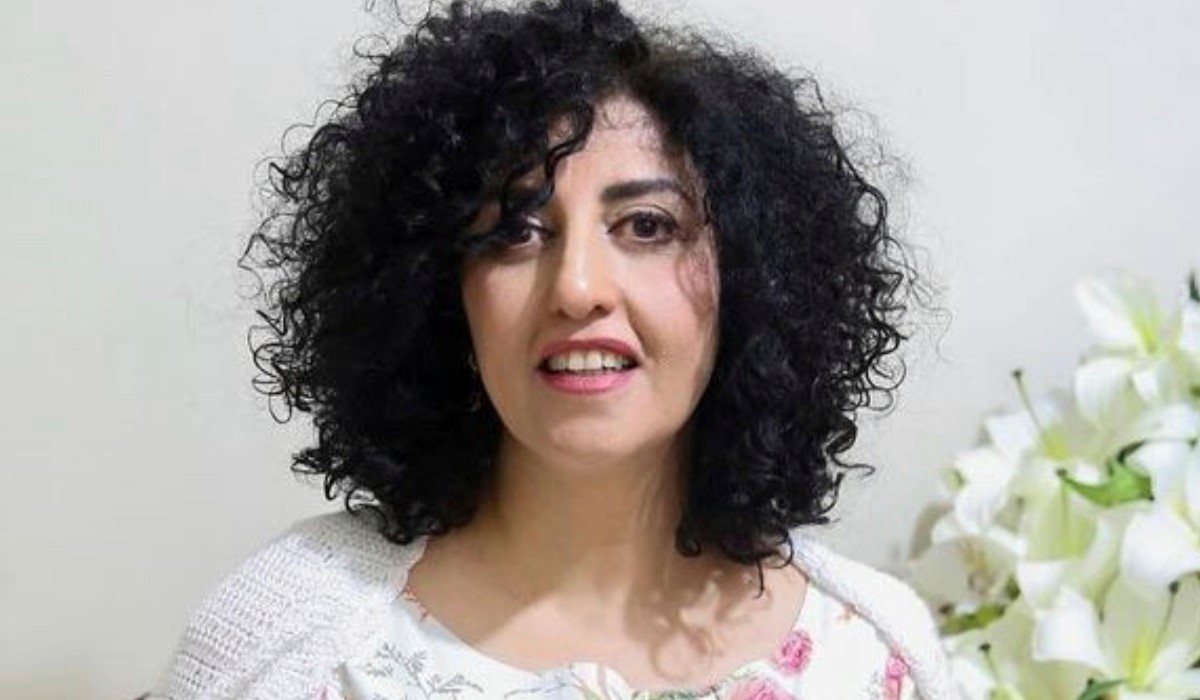
Among the most prominent victims of the regime’s repression is Narges Mohammadi, the 2023 Nobel Peace Prize winner. Nares Mohammadi has become one of the strongest international symbols of resistance against the Iranian regime’s use of torture, imprisonment, and the death penalty.
Born in 1972, Nares Mohammadi has spent years campaigning for women’s rights, freedom of expression, and the abolition of capital punishment in Iran. For her activism she has repeatedly been imprisoned, accumulating sentences amounting to decades behind bars. Despite years of harassment, solitary confinement, and torture, she has continued to speak publicly against the regime.
Her situation deteriorated significantly over the past months. In December 2025 she was rearrested during a memorial gathering in Mashhad and later sentenced to another seven and a half years on charges including “gathering and collusion” and “propaganda against the state.” International rights groups such as Amnesty International described the accusations as politically motivated and demand her release.
In March 2026, Nares Mohammadi suffered a heart attack while imprisoned in Zanjan prison. According to reports from activists and medical sources, she experienced chest pain, fainting spells, neurological complications, and severe blood pressure problems after prolonged detention and medical neglect. Her family and supporters warned that her life was in danger if she remained incarcerated.
Earlier this month, she reportedly collapsed again and lost consciousness before being transferred first to a hospital in Zanjan and later to Tehran following mounting international pressure. Human rights organisations, UN experts, Nobel laureates, and advocacy groups have demanded her unconditional release, insisting that returning her to prison could be fatal.
Despite growing international condemnation, the executions continue. Rights groups warn that silence from democratic governments risks emboldening the Iranian authorities further. The case of Narges Mohammadi — a Nobel laureate whose health has been devastated by imprisonment — now stands as both a symbol of resistance and a stark warning about the state of human rights in Iran today.
Earlier this year, the Iranian state carried out one of the largest state-sanctioned massacres on protesters and dissidents in recent history, with tens of thousands of people killed in arbitrary executions and violent repression during nationwide protests. Systematic repression has continued even after the protests subsided.
Fore more information by Iranian human rights groups you can read this article.

Newsroom

Leave a Reply