



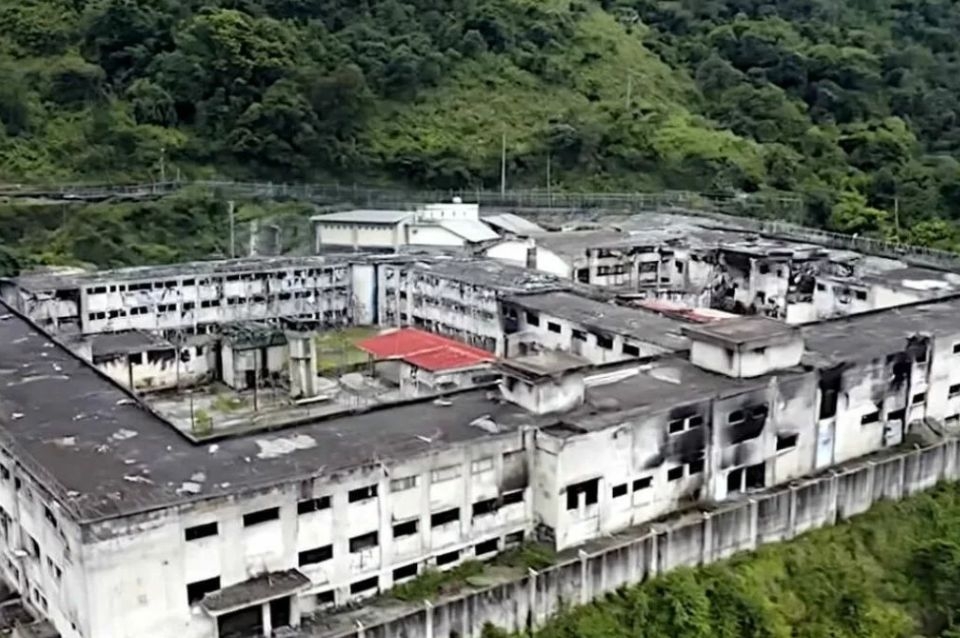
Since the detention of former President Nicolás Maduro, the United States government has committed itself to pursuing a transition towards democracy in Venezuela. US Secretary of State Marco Rubio has stated that the release of all political prisoners is a fundamental step in achieving that transition.
Subsequently, Vice President Delcy Rodríguez announced plans to promote an amnesty law covering the period of political violence from 1999 to the present, with the sole purpose of healing the wounds left by years of political confrontation. Nevertheless, several human rights organisations argue that the problem is far from being resolved. Although the intervention of the United States has facilitated the release of some political prisoners, the vast majority remain deprived of their freedom.
According to figures from the non-governmental organisation Foro Penal, around 370 political prisoners remain behind bars. This figure highlights the gap between the promises of amnesty and the long road that still lies ahead before all political prisoners can regain their freedom.
In 2024, Venezuela became the country with the highest number of political prisoners in the Americas. Since 2014, approximately 18,900 politically motivated arrests have been recorded, a figure that reflects a sustained pattern of political persecution. Beyond the numbers, one of the most alarming aspects is the use of torture as a mechanism of political control.
Numerous testimonies describe the methods of physical and psychological torture to which political prisoners have been subjected. These include beatings, asphyxiation, electric shocks, sleep deprivation, prolonged isolation, threats against family members, and so-called “white torture”, which consists of psychological and sensory deprivation. Reports also describe appalling detention conditions, including tiny cells, constant lighting and deafening noise.
Beyond imprisonment itself, the government seeks to punish the population through cruel and inhumane practices aimed at silencing those considered opponents of the government. While the release of some political prisoners is undoubtedly a significant step forward, hundreds of people remain imprisoned. As long as this continues to be the reality for so many Venezuelans, the country’s democratic transition will remain far from being achieved.
Feature photo of El Rodeo 1 Carcel via Foro Penal.
Journalist



Leave a Reply