



The situation in Venezuela continues to surprise day after day. A society immersed in chaos and uncertainty is doing everything within its means to reclaim its country.
While the Venezuelan people seek change in pursuit of a democratic, prosperous and safe Venezuela, the country’s problems continue to grow.
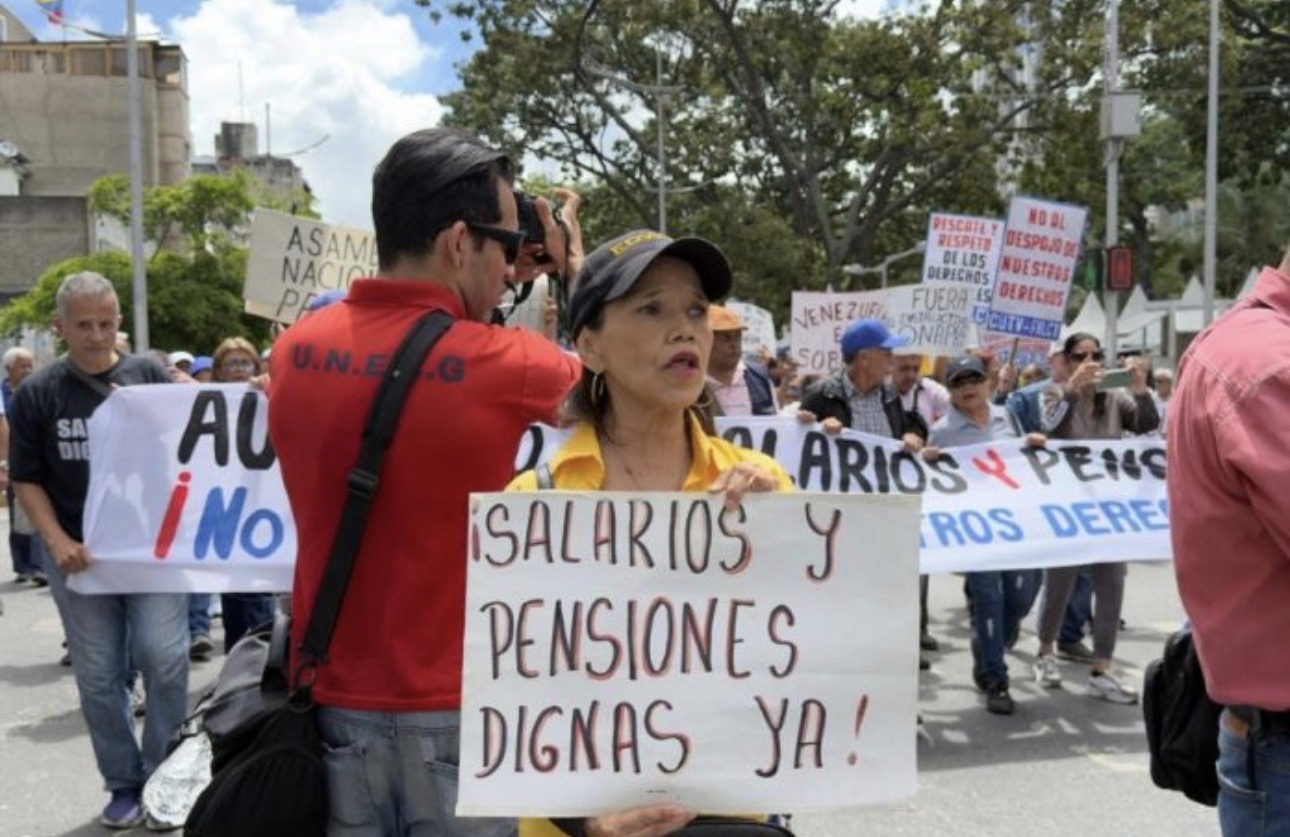
Venezuelans continue to take to the streets to demand their rights. Economic, electricity and political crises are driving people across the country’s cities to take to the streets and voice their demands.
Protesters are also demanding the return of Maria Corina Machado and the holding of elections.
Will there be a genuine democratic transition?
Following the capture of Nicolas Maduro in January this year, the US government assured that the country was on the path towards a democratic transition. To date, however, little progress has been made.
For his part, Donald Trump announced an agreement with Delcy Rodríguez’s interim government on 28 August that was expected to contribute to the country’s economic recovery.
Although Delcy Rodríguez stated during her speech at the United Nations General Assembly that elections would be held, a date has yet to be set. Moreover, with opposition leader Machado being prevented from returning to the country, doubts among Venezuelans continue to grow.
Meanwhile, Machado continues to receive support from some US lawmakers. Republican Congressman Carlos Giménez said that the next step for Venezuela “must include free and fair elections.”
The talks held and agreements announced between the Trump administration and Rodríguez have generated criticism over Washington’s priorities in Venezuela.
In this context, Steve Forbes criticised the US strategy in Venezuela and described the failure to quickly restore democracy following Nicolas Maduro’s removal as a mistake.
“We made a mistake after snatching dictator Nicolas Maduro in January by not quickly restoring democracy,” Forbes said.
Forbes also expressed his discontent with President Trump’s negotiations with Rodríguez while opposition leader Maria Corina Machado remained unable to return to the country.
Protests amid growing discontent
The protests have gone beyond political demands. In recent weeks, pensioners, workers and residents across different regions of the country have taken to the streets to protest failures in public services and demand better wages.
On September 24, demonstrators marched towards Venezuela’s Ministry of Labour in Caracas, where they broke through a police cordon while demanding better living conditions.
The electricity crisis has also become one of the protesters’ main concerns. In some states, residents have reported power cuts lasting between 12 and 18 hours a day. In response, nighttime protests accompanied by cacerolazos and roadblocks have increased.
As demands for the release of political prisoners and the holding of elections add to existing grievances, protesters have warned that demonstrations will intensify if they do not receive an immediate response.
According to the Venezuelan Observatory of Social Conflict, the latest figures show that 4,200 protests were recorded between January and August 2026. In August alone, the organisation documented 652 protests, an increase of 288% compared with the same month in 2025.
The Venezuelan people are demanding change and are prepared to remain in the streets until their demands are met. In the meantime, they will continue taking to the streets to demand progress towards a democratic transition and improvements in their living conditions.
Journalist
Leave a Reply