



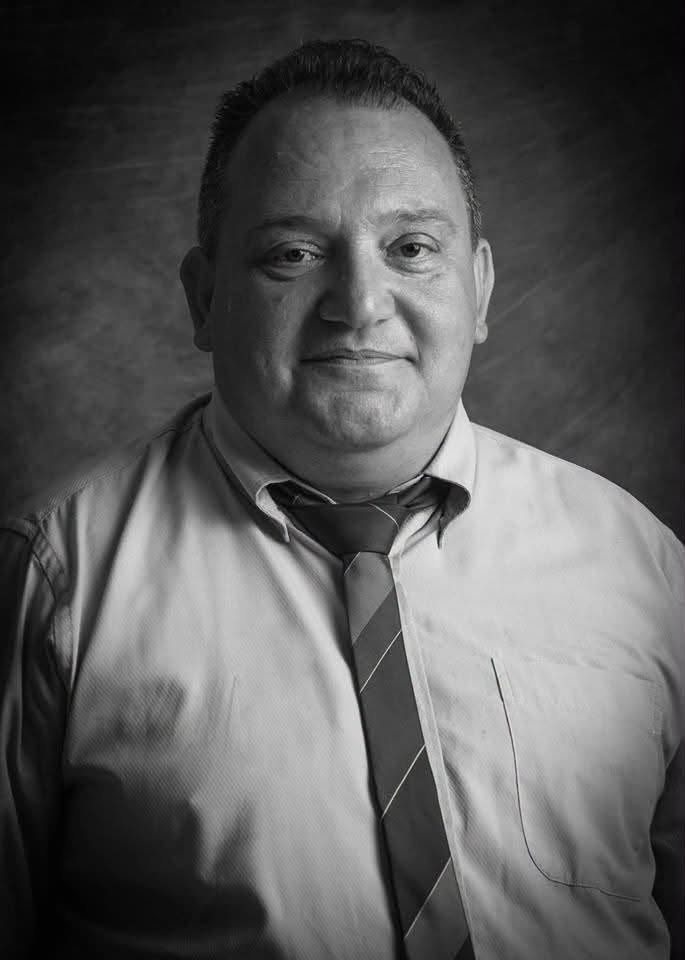
Malta’s artistic and educational community is mourning the loss of Giovann Attard, a respected drama educator, playwright, director and theatre practitioner whose career was closely associated with the development of drama and theatre in Maltese schools.
Known affectionately to friends and colleagues as Giovann, Giann or Giovanni, Attard devoted much of his professional life to encouraging young people to discover theatre and the performing arts, leaving a lasting impression on generations of students, teachers and fellow artists.
Born in Sannat, Gozo, Attard attended Sannat Primary School and Laura Vicuna School before continuing his education at the Sacred Heart Seminary and the State Sixth Form in Gozo. He later studied at the University of Malta, graduating with a B.Ed. (Hons) after attending the university between 1988 and 1992.
His professional career began as a teacher at Qormi St George Primary School, where he spent five years. Even at this early stage, Attard combined education with his passion for theatre, writing and directing original musicals involving his pupils.
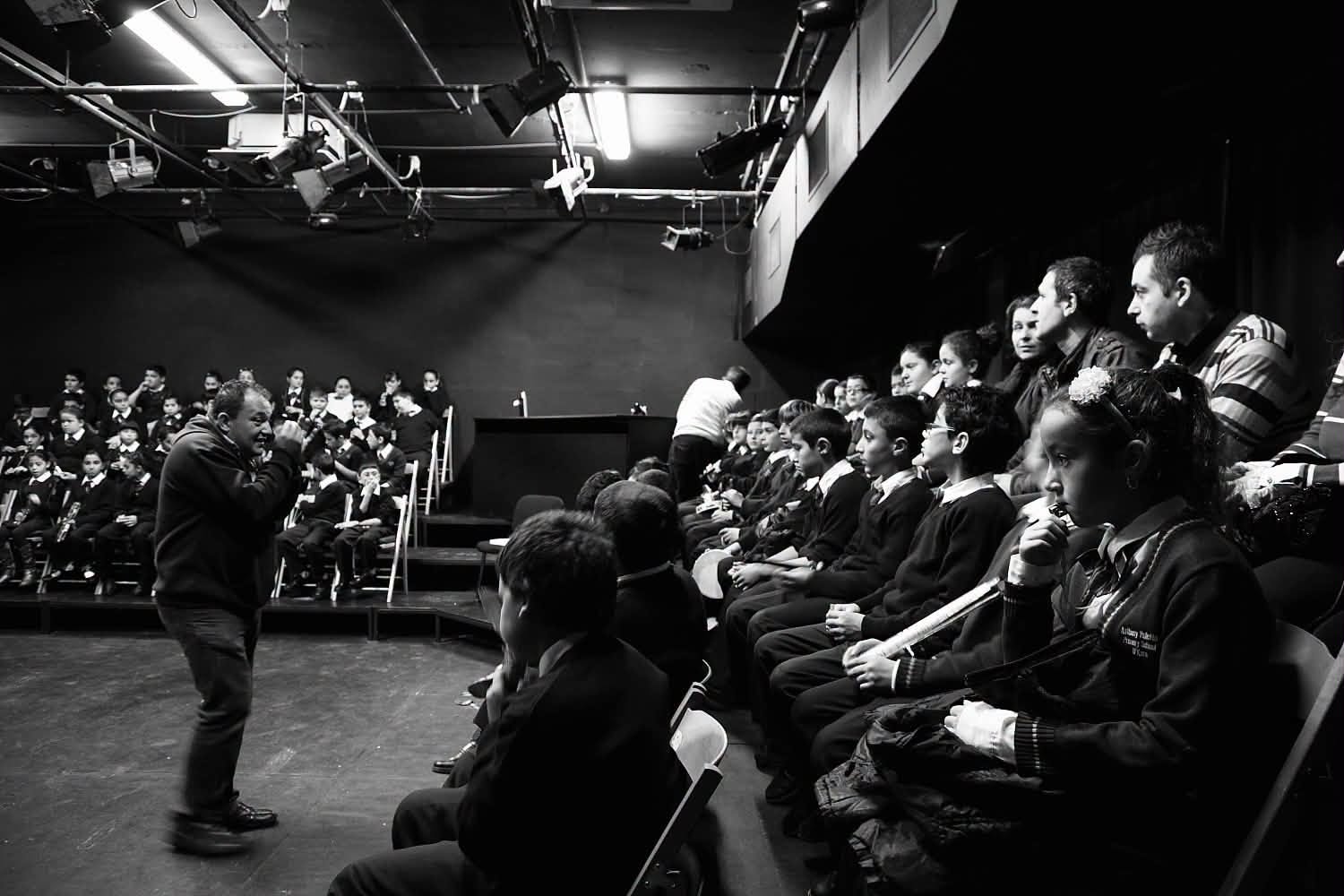
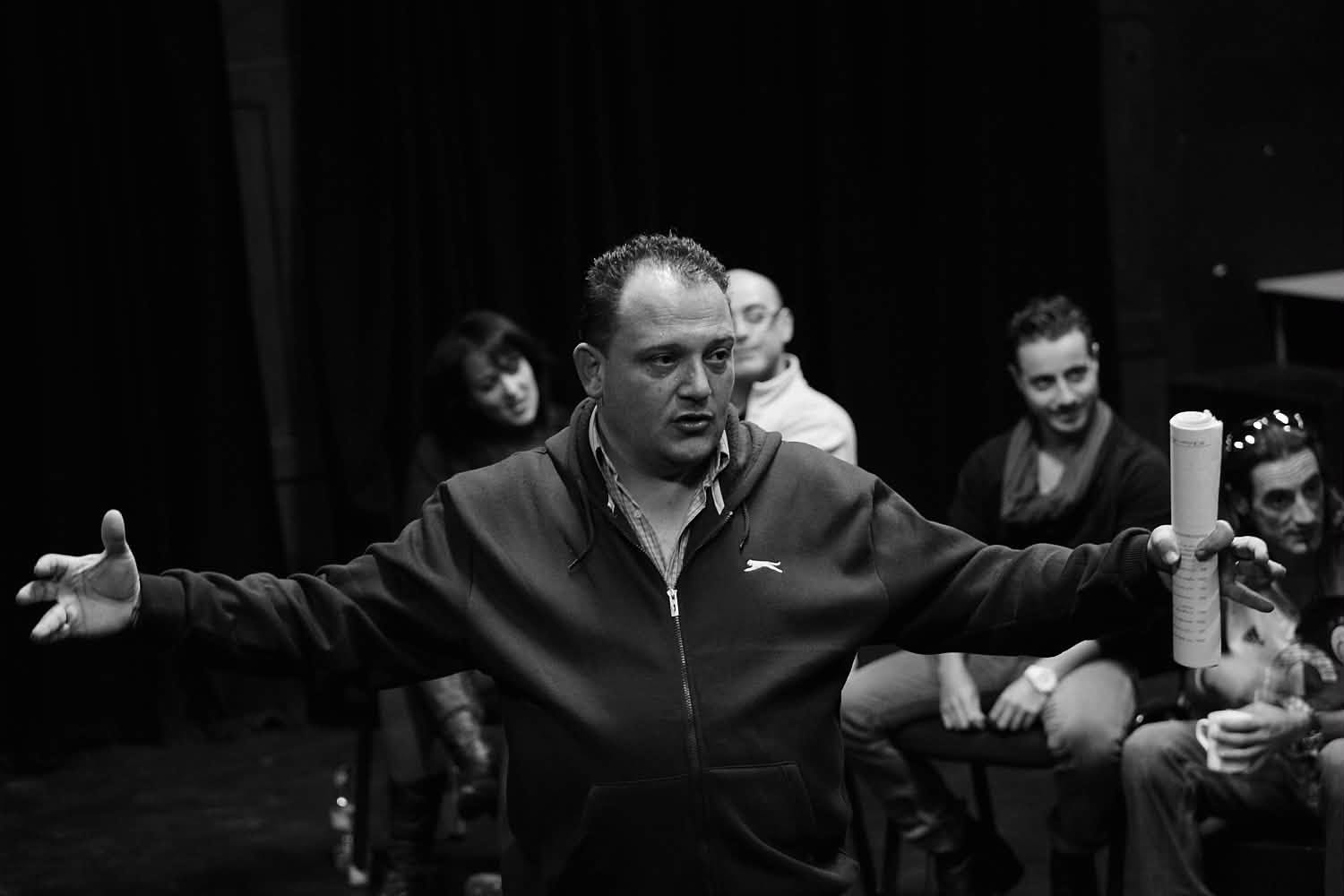
He subsequently joined the Education Department’s Drama Unit, initially serving as a teacher for 15 years before becoming an Education Officer responsible for Drama and Theatre in schools across Malta. His work placed him at the heart of efforts to use theatre not simply as entertainment, but as an educational tool capable of developing creativity, confidence and participation among children.
In 2014, while heading the Drama Unit, Attard spoke passionately about the importance of Theatre in Education, arguing that learning extended far beyond the classroom desk. At the time, the Drama Unit was taking theatrical productions and workshops to thousands of schoolchildren despite working with limited resources.
Attard’s involvement in theatre, however, stretched back to his youth in Gozo, where he participated in plays, musicals and operettas.
His considerable body of work included Id-Daqqaq ta’ Ħamelinn in 1994, Il-Prinċep u l-Fqir in 1995, Ali Baba in 1996, Il-Pinguo u d-Draguni in 1997 and Taita bin il-Faragħuni in 1998.
He also wrote the musical Eroj in 1998 and wrote and directed Twemmin 2000, Georgius and AD 1062. He later directed Naħal tal-Imħabba. His contribution to productions was frequently much broader than writing or directing, extending to scenery and other aspects of theatrical production.
Attard was also active as a playwright outside the Drama Unit. His work Momentum, staged during the Cospicua Short Play Festival, personified fortitude, faith and civilisation through the story surrounding the creation of Valletta’s Great Siege monument.
His contribution to Maltese music was another facet of his artistic career. He wrote lyrics for a number of songs, including Żewġ Qagħqiet, performed by Julie Pomorski, which won L-Għanja tal-Poplu in 2005. He was also the lyricist of Mhux Kif Ħsibt, which finished second at L-Għanja tal-Poplu in 2018.
Attard remained involved in theatre productions beyond his educational work. Among other projects, he served as assistant director on Teatru Malta’s Ħax-Xjuħ, the pioneering pantomime involving performers and participants aged over 60.
Perhaps his greatest legacy, however, lies with the people he encouraged to enter the world of theatre. Former pupils have recalled how Attard encouraged them to take their first steps on stage, illustrating an influence which extended well beyond individual productions or performances.
Tributes following his death have remembered him not only as an accomplished artist but as a gentleman and inspirational leader whose dedication and integrity helped shape the Drama Unit and those who worked within it.
His contribution to Maltese theatre was therefore as much about developing people as it was about producing plays.
Through decades spent teaching, writing, directing and creating, Giovann Attard helped introduce countless young people to drama while making his own distinctive contribution to Malta’s theatrical and cultural landscape.
His work, and the generations of students and artists he influenced, form a lasting legacy.

Sports Editor
Veteran Journalist
Leave a Reply