



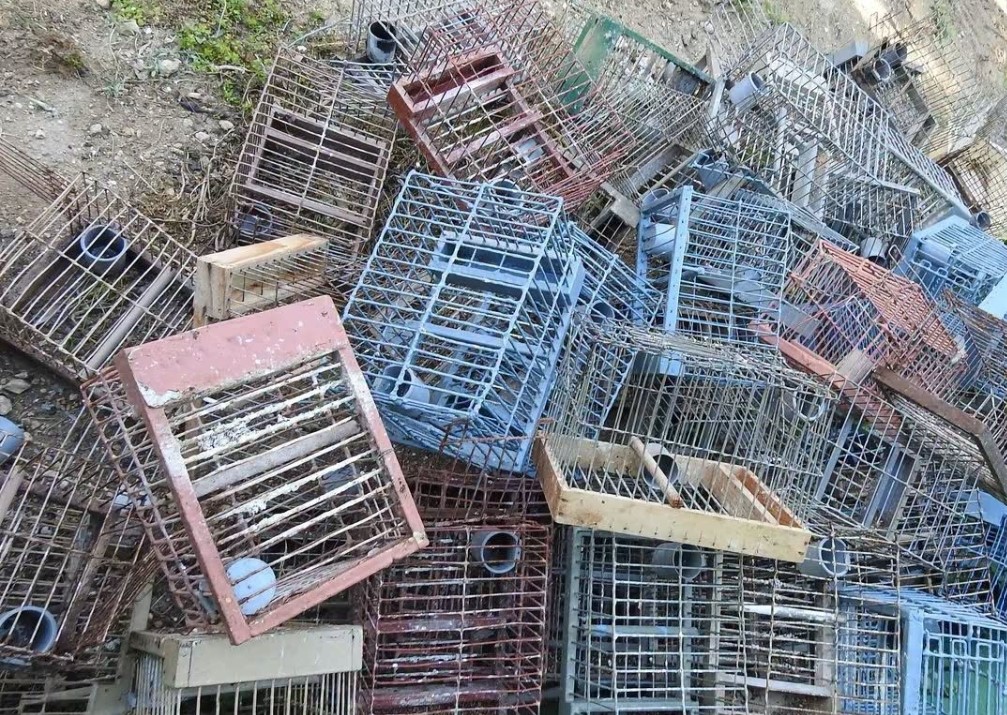
The European Commission has escalated proceedings against Malta, issuing a formal reasoned opinion that directly challenges the Malta’s fraudulent authorisation of large-scale finch trapping under the pretense of a “research” derogation.
In an official statement released as part of its November infringements package, the Commission called on Malta to stop authorising finch trapping, declaring that the scheme “does not pursue a genuine research purpose and instead inappropriately uses the research derogation for continued recreational hunting despite previous Court rulings.”
Malta now has two months to respond. If its reply is unsatisfactory, the Commission may refer the case back to the Court of Justice of the European Union, potentially exposing the country to financial sanctions.
This latest step follows the Court’s September 2024 judgment in Case C-23/23, which found that Malta’s “Finches Project”—introduced in 2020 after earlier recreational trapping was ruled illegal—failed to establish a genuine scientific research objective and did not adequately justify why alternative methods could not be used. The 2018 judgment (C-557/15) had already condemned recreational finch-trapping derogations for failing key conditions under the EU Birds Directive.
Despite these clear rulings, Malta authorised similar autumn trapping seasons for 2024, 2025 and 2026 covering seven protected finch species (chaffinch, linnet, goldfinch, greenfinch, hawfinch, serin and siskin). In 2025 the government further amended the legislative framework to relax enforcement and reduce the involvement of scientists from the European Union for Bird Ringing (EURING).
The Commission’s reasoned opinion specifically addresses aspects not fully covered by the 2024 judgment, noting that Malta “fails to demonstrate other satisfactory solutions and does not ensure appropriate enforcement.” Finch trapping is only permissible under the Birds Directive under strict, tightly justified derogation conditions; the Commission maintains those conditions are not met.
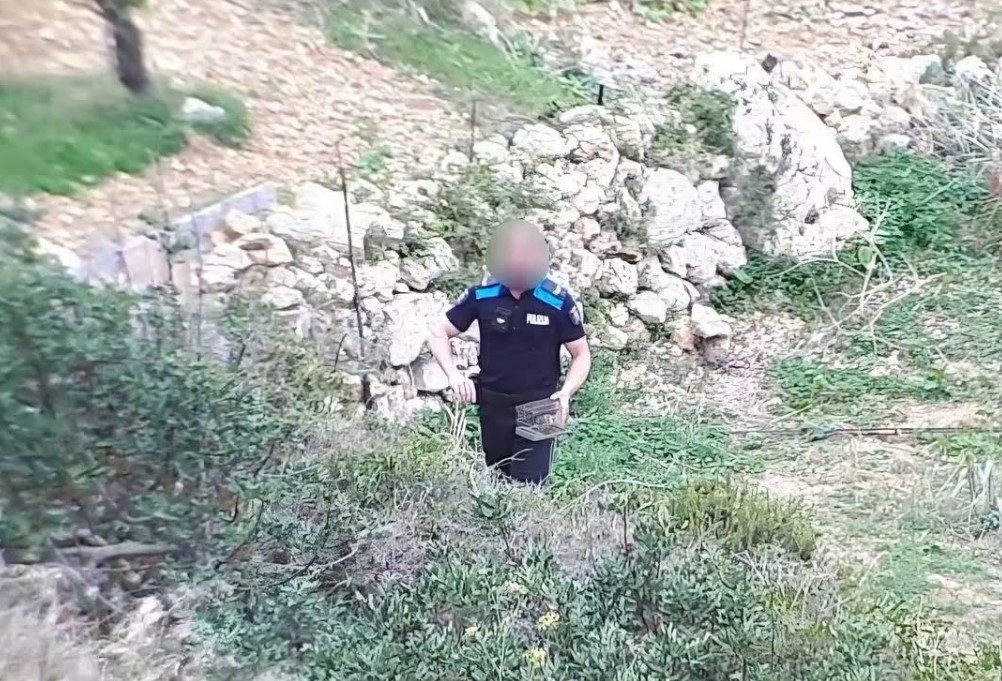
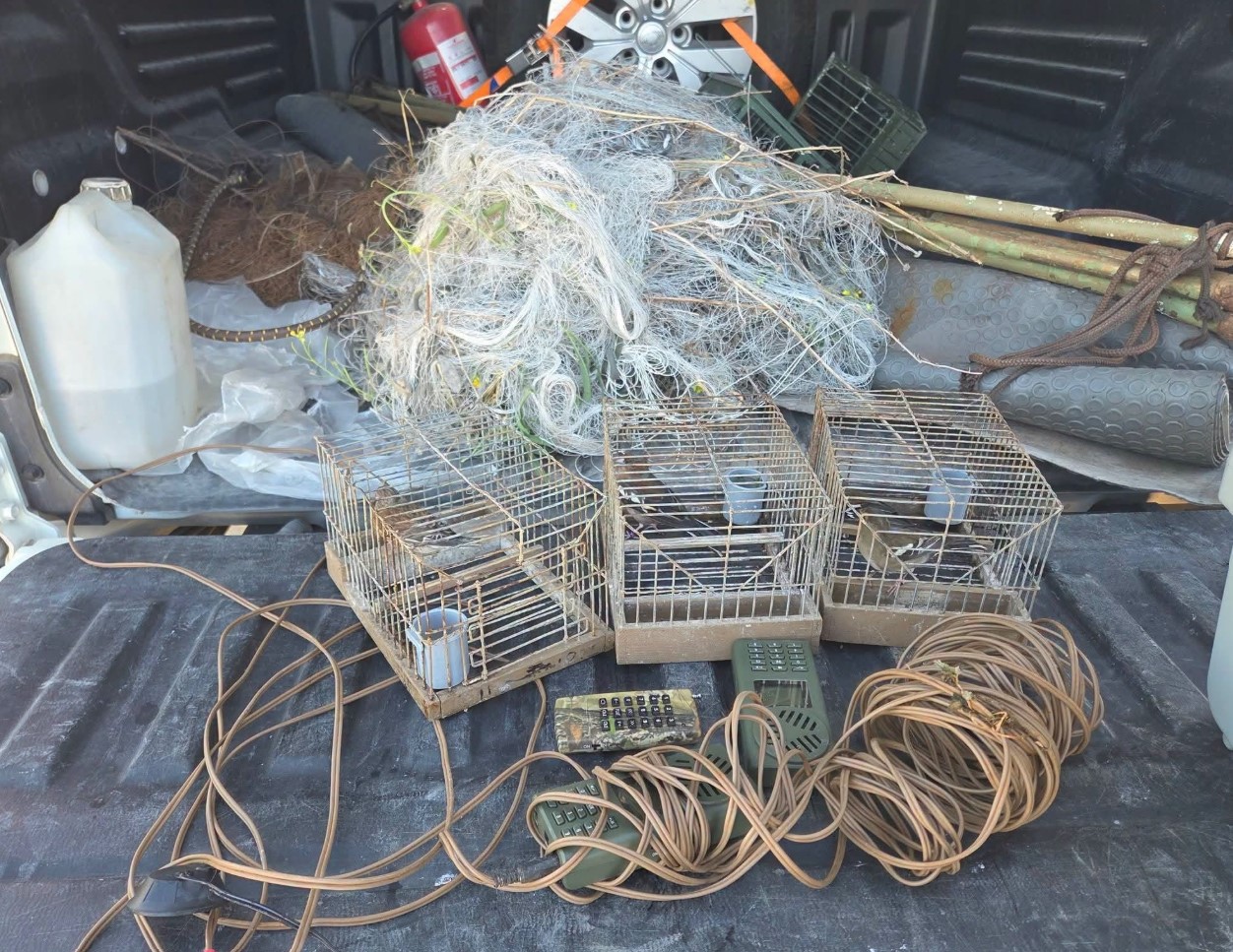
Feature photos by CABS.

Newsroom

Leave a Reply