



Tag: Eurostat
-

4.3% of workers in Malta work in arts and culture: higher than the EU average
According to the latest statistics by Eurostat, up to 4.3% of workers in Malta are employed in the arts and culture industries. This is higher than the EU average of 3.8% with a total of up to 7.9 million people in Europe working in the arts and culture industries. Culture employment in the EU grew…
-
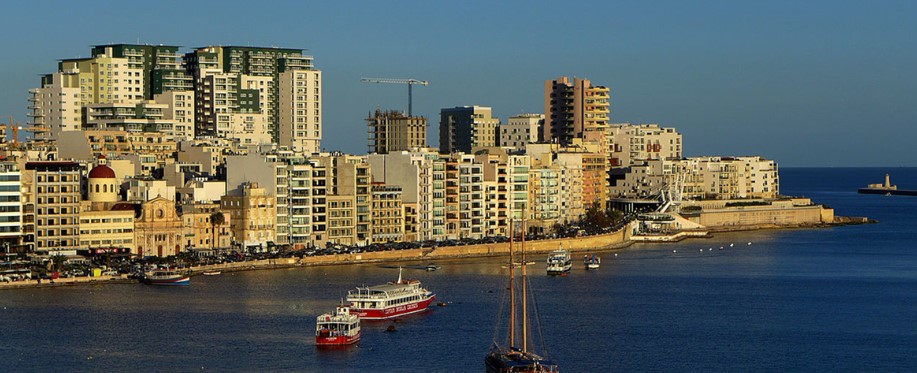
Malta with the fourth largest growth in household per capita income in the EU since 2004
According to the latest Eurostat figures, Malta had the largest growth in household per capita income since 2004 in all of EU countries at a whopping 90% growth. Romania experienced the largest growth with 134% followed by Lithuania (95%), and Poland at 91%. The EU averaged a 22% increase in per capita household income since…
-

Inflation in Malta remains above Euro 2.1% average as food prices keep increasing
Malta’s annual inflation rate stood at 2.5% in October 2025, outpacing the Euro area average of 2.1%, according to the latest Harmonised Index of Consumer Prices (HICP) data. Price movements across key sectors show a mixed picture, with strong upward pressures from services and food. Food prices have consistently lead the charge in Malta’s inflationary…
-

Malta among top three in EU for retail food sales increase – Eurostat
Malta recorded one of the highest increases in retail trade for food, drinks and tobacco across the European Union in September 2025, according to fresh data issued by Eurostat. Figures show that Malta registered a 4.4% annual rise in the retail volume of food, beverages and tobacco when compared with September 2024 – placing it…
-

Malta with the third-lowest tax to GDP ratio in the EU but gap is closing
According to the latest Eurostat figures, Malta has the third lowest tax to GDP ration in the EU at just 29.3%. The lowest tax to GDP ration is in Ireland with 22.4% and Romania with 28.8%. However, Malta had the highest increase in the EU of its tax to GDP ration in 2023 going up…
-
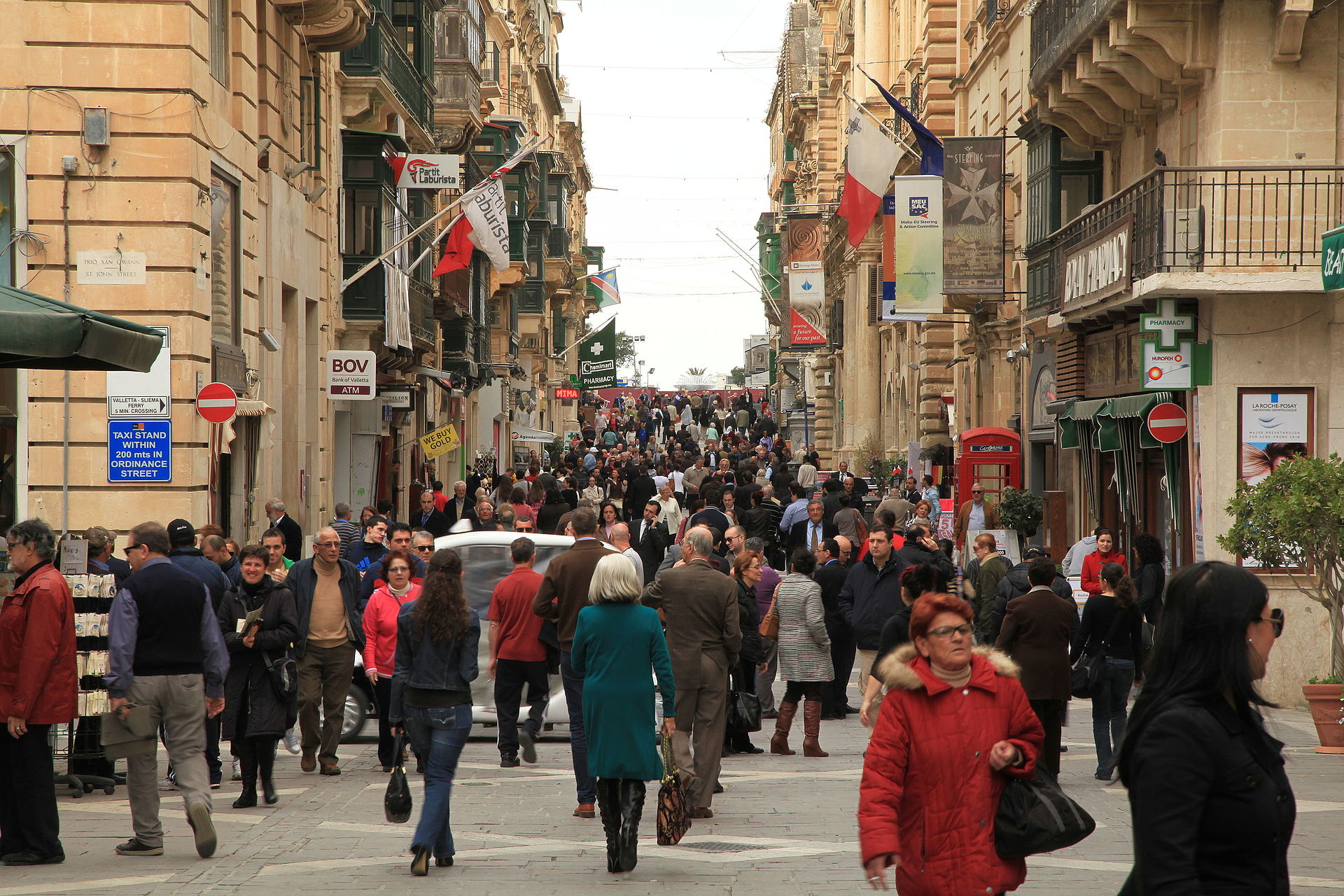
Poverty increased in Malta from 2023 to 2024 but goes down in Europe
Latest statistics by Eurostat have confirmed that poverty in Malta has increased from 16.6% to 17% confirming similar statistics released earlier this year by the NSO noting that poverty has increased. Overall, subjective poverty in Europe has decreased from 19.1% in 2023 to 17.4%. Greece had the highest rate of people considered as subjectively poor…
-

Malta records lowest ever severe material deprivation rate in 2024, well below EU average
In 2024, 6.4% of people across the European Union faced severe material and social deprivation, a slight improvement compared to 6.8% the previous year. New figures show that while deprivation remains a challenge for millions across the bloc, Malta has achieved a significant milestone, recording its lowest rate on record. According to the latest data,…
-
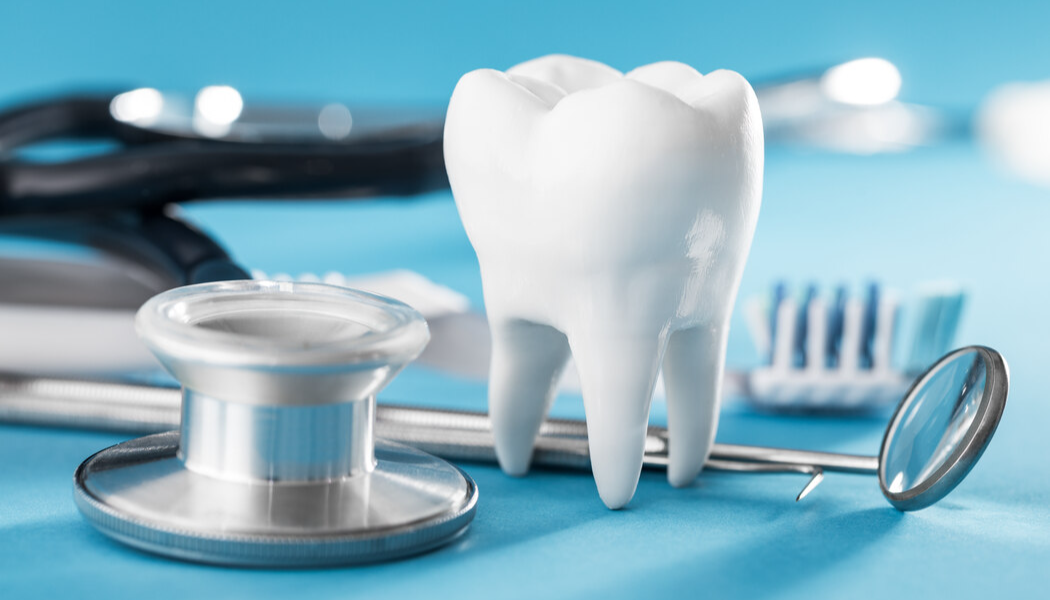
Malta records lowest unmet dental care needs in EU, Eurostat data shows
Malta has the lowest rate of unmet dental care needs in the European Union, according to new Eurostat figures. In 2024, just 0.4% of Maltese residents aged 16 and over reported being unable to access dental treatment, compared with an EU average of 6.3%. Across the bloc, the highest levels were registered in Greece (27.1%),…
-

Are Mediterraneans lazy? Statistics say otherwise
According to the latest EuroStat figures, Mediterraneans in Europe still work the longest hours in Europe compared to the their northern counterparts although the trend of working long hours has been going down. The average figure was 9.8% in 2014 and 8.4% in 2019. Most of the workers working long hours are self-employed people with…
-
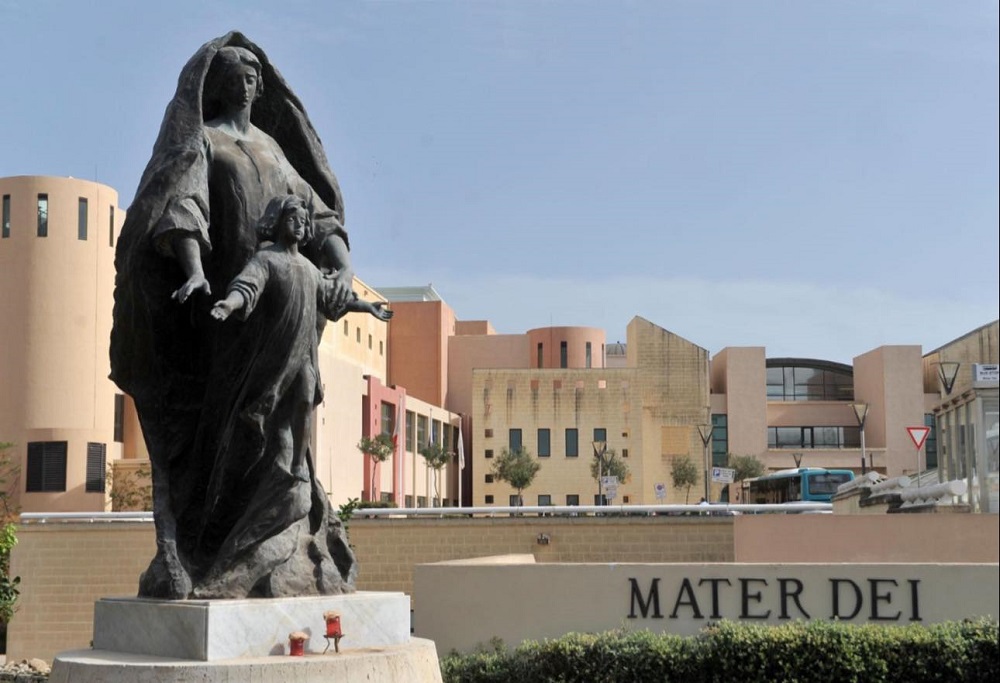
Malta with the second lowest rate of people with unmet medical needs in the EU
According to the latest EuroStat figures, Malta has the second lowest rate of people with unmet medical needs in the EU. The rate is at 0.5% just behind Cyprus with 0.1%. In third position is Czechia with just 0.6%. The countries that have recorded the highest rate of patients with unmet medical needs are Greece…
-
Malta has less hospital beds than EU average: but comes fourth in beds for the elderly
According to the latest Eurostat report based on 2023 figures, Malta has just up to 400 hospital beds per 100,000 inhabitants, falling short of the EU average of 511 beds. According to official records Malta’s National Hospital, Mater Dei has just up to 1243 beds. The EU member states with the highest number of hospital…
-

Only 23.6% of households have children in the EU: most families have only one child
According to the latest Eurostat statistics, only 23.6% of the households in the EU have children with up to 49.8% of the families having only one child. 37.6% of the families had 2 children and only 12.6% had three children or more. The countries with the highest share of households with children are Slovakia with…