



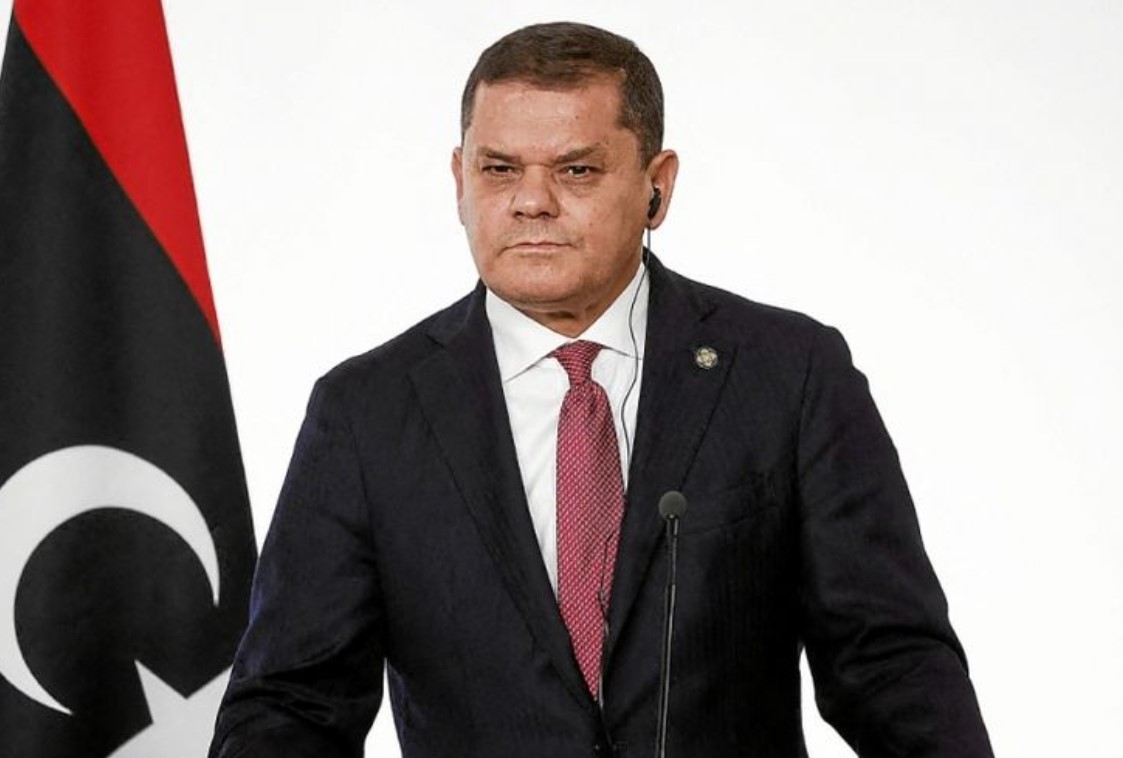
Senior diplomatic sources who spoke to The Maltese Herald claimed that there is an ongoing dispute between the Western governments of the United Kingdom and the United States of America and the Prime Minister of Libya’s Government of National Unity in Tripoli, but they refused to disclose details about the disagreement.
However, they also claimed that Western officials are becoming increasingly frustrated with Prime Minister Hamid Dbeibeh’s lack of progress in restoring security and transitioning to democracy.
The sources that spoke to The Maltese Herald noted that Prime Minister Hamid Dbeibeh is unable to restore security in the territory that his government presumably controls with various militant groups in several areas such as Zuwara that are working independently of the government. They also stated that persistent clashes between different militants is not conducive to a stable democratic transition, and added that despite the fact that Khalifa Haftar’s government in Benghazi is illegitimate, he has has created a cohesive security apparatus for the territory that he fully controls without any internal clashes. Diplomats however, also raised concerns on Haftar’s ties to Russia and the presence of Russian mercenaries in his territory.
Despite frustrations by US and UK officials, Prime Minister Dbeibeh is still backed by Turkey, but losing the West would mean that he would have to increasingly rely on Turkey on economic and security matters. The government of Tripoli relies on the West for various aspects of technical assistance in economic and security matters.
Libya is divided by two governments, one based in Tripoli, the Government of National Unity, which supposedly controls the west of Libya, and the government in Benghazi controlled by Khalifa Haftar, a rump dictator backed by Russia. The United Nations and Western countries are involved in a process of mediation between the two governments for a democratic transition that would see Libya governed by one government with one parliament elected democratically.

Website Editor
Historian and Publisher


Leave a Reply