



Malta’s smallest inhabited island, Comino, has long been synonymous with the Blue Lagoon – an iconic stretch of crystal-clear water that drew in visitors in their thousands. But as highlighted in a recent BBC Travel feature, the island’s future hangs in balance. Many years of unchecked commercial exploitation have transformed Comino from a pristine retreat into a crammed tourist hotspot, raising urgent concerns about whether Malta can possibly commit itself to sustainable tourism.
Until relatively recently, Comino was an unspoiled paradise, its rocky coastline and turquoise waters a peaceful haven for locals and visitors alike. But as Malta’s tourism industry boomed, so did the pressure on this tiny island. The BBC article details how over-tourism, particularly in the summer months, has not only flooded the Blue Lagoon but also destroyed the natural environment and disturbed what little wildlife remains.
The sheer number of daily tourists, which reaches a high of 10,000 people per day, has led to a much-publicised fight for space. Sunbeds and kiosks have engulfed huge areas of the available seashore, leaving little room for plain relaxation on the bay. As the BBC article notes, what was once a tranquil sanctuary has, in recent years, become an overcrowded and noisy commercial hub – an ironic fate for a largely unpopulated island.
The government has acknowledged the problem, and new measures, such as tourist caps, are to be introduced this summer. Authorities state that this is an important step to make sure Comino is not loved to death. As reported by the Times of Malta, the number of visitors would be cut by 50%, mainly by restricting the number of passengers commercial boats can take to the Blue Lagoon.
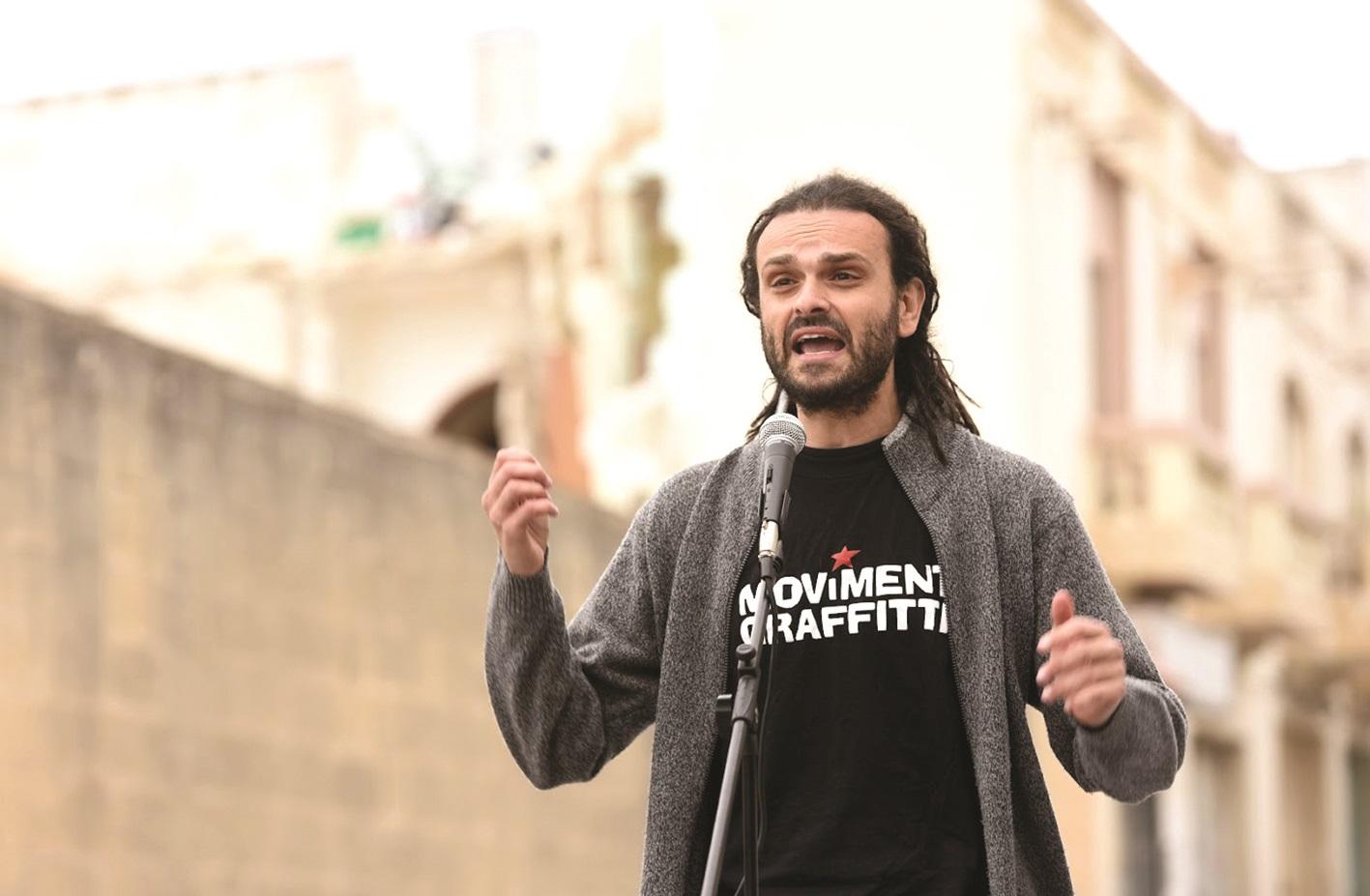
However, the success of such measures remains to be seen. Activist groups, such as Moviment Graffitti, have consistently complained the government has taken too long to act. In our previous reporting on The Maltese Herald, activist Andre Callus explained that without the strong enforcement of measures by the authorities, Comino will continue to be affected by commercial intrusion and loss of environment.
BBC’s feature serves as a reminder that Comino’s issues are not unique. Across the Mediterranean, islands that used to prosper on tourism are now struggling with the aftermath. From the Amalfi Coast to Santorini, there’s the challenging balance between economic interest and green responsibility that’s a growing issue.
Malta now has a make-or-break choice to make. It can take heed of the past and retain what remains of the natural beauty of Comino, or risk losing yet another part of national heritage to uncontrolled mass tourism. The policy shift in this direction is a welcome move, but change will require long-term commitment, not just seasonal restrictions.
If Comino is to be given second chance, it must be treated not as a free-for-all commercial enterprise, but as a national treasure to be preserved. Only then can the Blue Lagoon once again live up to its name.


News Editor
Journalist and Newscaster



Leave a Reply