



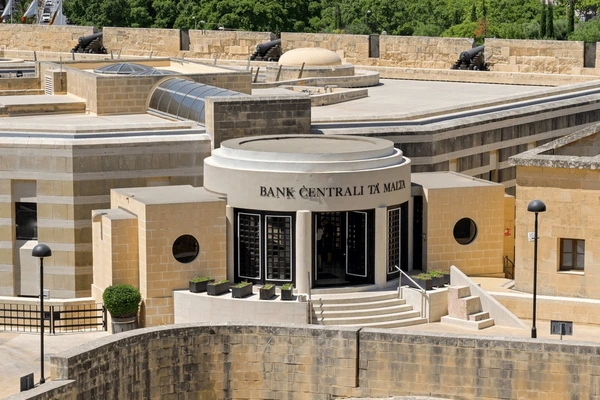
Malta’s central bank has been on the other side of the trade in the current gold bull-market, having been an unusual net seller among most central banks which have been net buyers. Whether this is is a good or a bad thing, depends on your perspective and the priorities being made by the Central Bank with its portfolio. Gold per ounce has crossed the $4,000 mark earlier this week.
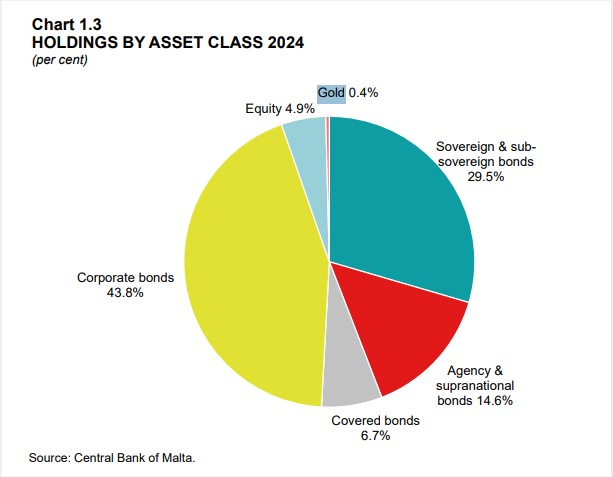
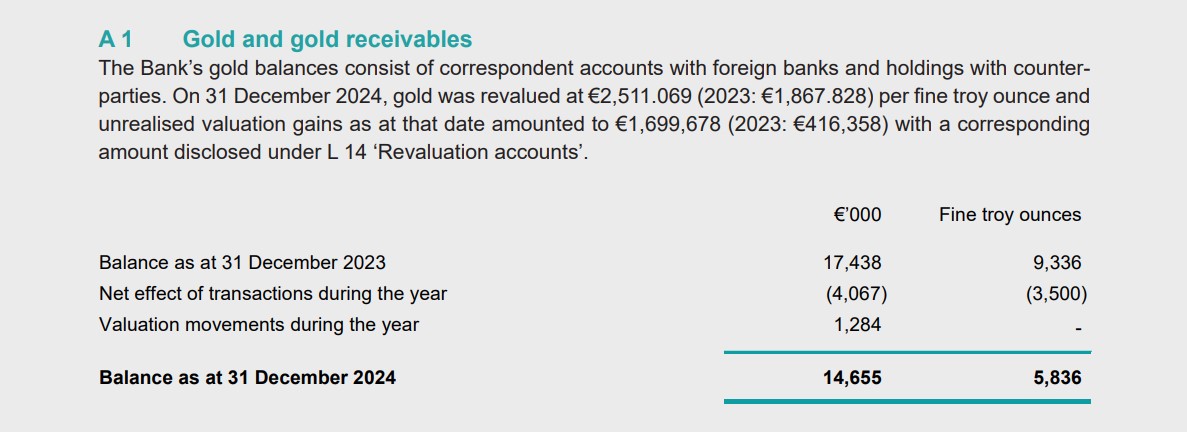
According to its annual report, the Central Bank of Malta sold a large chunk of its gold reserves in 2024 with the World Gold Council listing it as one of the top net-sellers of gold among central banks worldwide. The Central Bank of Malta sold up to 3,500 ounces of gold worth up to €4 million in gold sales, leaving just 5,836 ounces in its reserves. Its gold reserves comprise just 0.4% of its investment portfolio, which is mostly taken up by corporate bonds (43.8%) and up to 29.5% in sovereign bonds (government bonds). The Central Bank’s portfolio was worth around €3.4 billion in value during its last recorded annual report.
The central bank said that in 2024 the bank made up to €1.7 million in unrealised gains in gold after its sales, up from its previous gain of €416,000 in 2023. If no selling took place since this report, the Central Gold Bank’s gold reserves would now be worth up to €21 million.
Malta’s central bank doesn’t view gold as a reserve and it uses it mostly as a tradable instrument as part of its portfolio. With the local central bank being part of the Euro network, the reserves of the Euro are primarily the responsibility of the European Central Bank, headquartered in Frankfurt. Most of the central banks buying gold are outside the Eurozone and the EU, and the buyers have been mostly countries such as China which need a reserve asset to their currency due to their currency’s potential risks and weakness. You can read more about gold here. The Euro is a global currency and may serve as a reserve asset itself to non-Euro countries.

Newsroom

Leave a Reply