



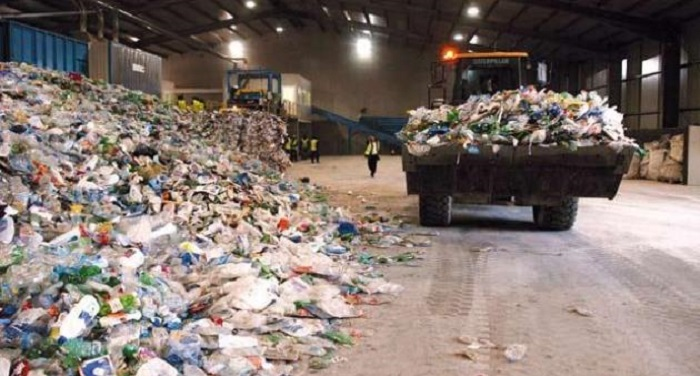
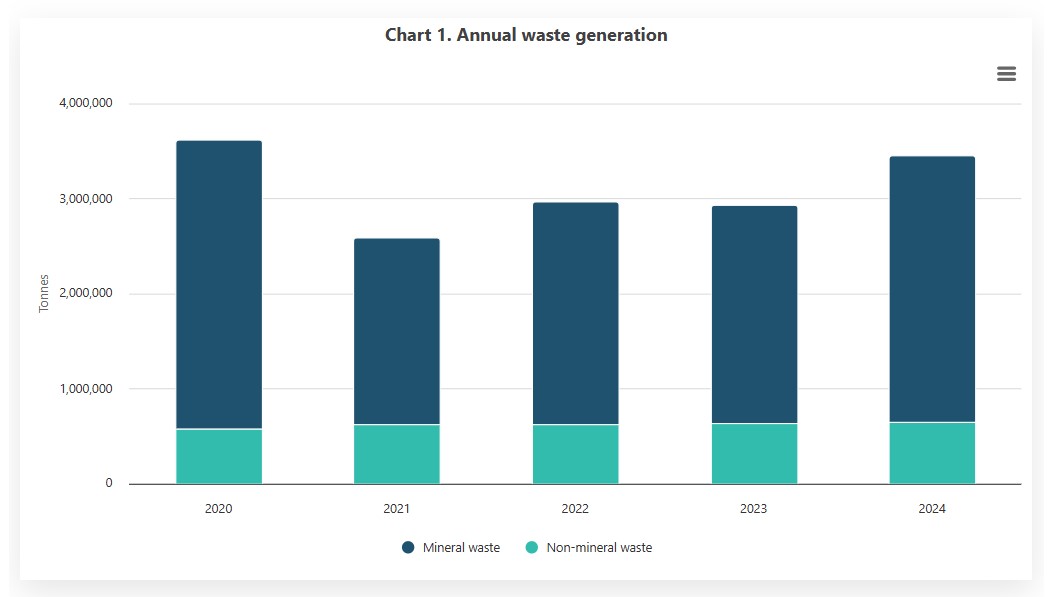
According to the latest NSO statistics Malta generated a record amount of municipal waste in 2024, according to the latest figures published by the National Statistics Office (NSO). The total volume of municipal waste reached 353,525 tonnes, an increase of 20,287 tonnes or 6.1% compared with 2023 — the largest year-on-year rise in recent years.
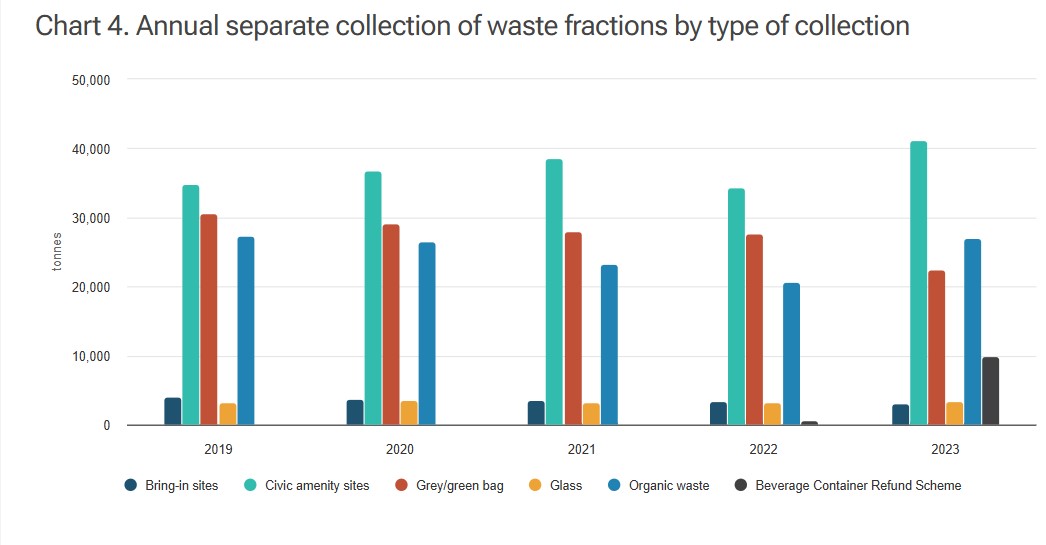
The data reveals that bio-waste from gardens and parks, as well as from kitchens and canteens, accounted for much of the increase. Other categories also contributed to the growth, offset slightly by reductions in waste from mixed municipal collection, metals, and glass.
Higher tourism numbers also contributed to the increase in waste.
Waste generation per capita also rose. Based on the resident population, the average amount of waste generated per person increased to 621 kilograms — a rise of 3.1% compared with the previous year. When Malta’s daily net tourist population is factored in, this figure stood at 574 kilograms per person, up by 2.1%. This may also indicate higher consumption.
Treatment of municipal waste also increased, with 322,119 tonnes processed in 2024 — up 3.1% over 2023 figures. However, the share of treated waste going to landfill also climbed, reaching 79.2% of all treated waste, up from 78.6% the year before.
Recycling showed modest improvement, with 58,156 tonnes of municipal waste recycled in 2024 — an increase of 1,723 tonnes or 3.1% compared with 2023. Paper and cardboard accounted for roughly 60 per cent of the total recycled material.
The NSO’s figures underscore ongoing challenges in Malta’s waste management system, particularly the heavy reliance on landfilling and the rising volume of waste generated per resident and visitor alike. Environmental advocates say the data highlight the urgency of boosting recycling efforts and waste reduction measures to meet both national objectives and EU environmental targets.

Newsroom
Leave a Reply