



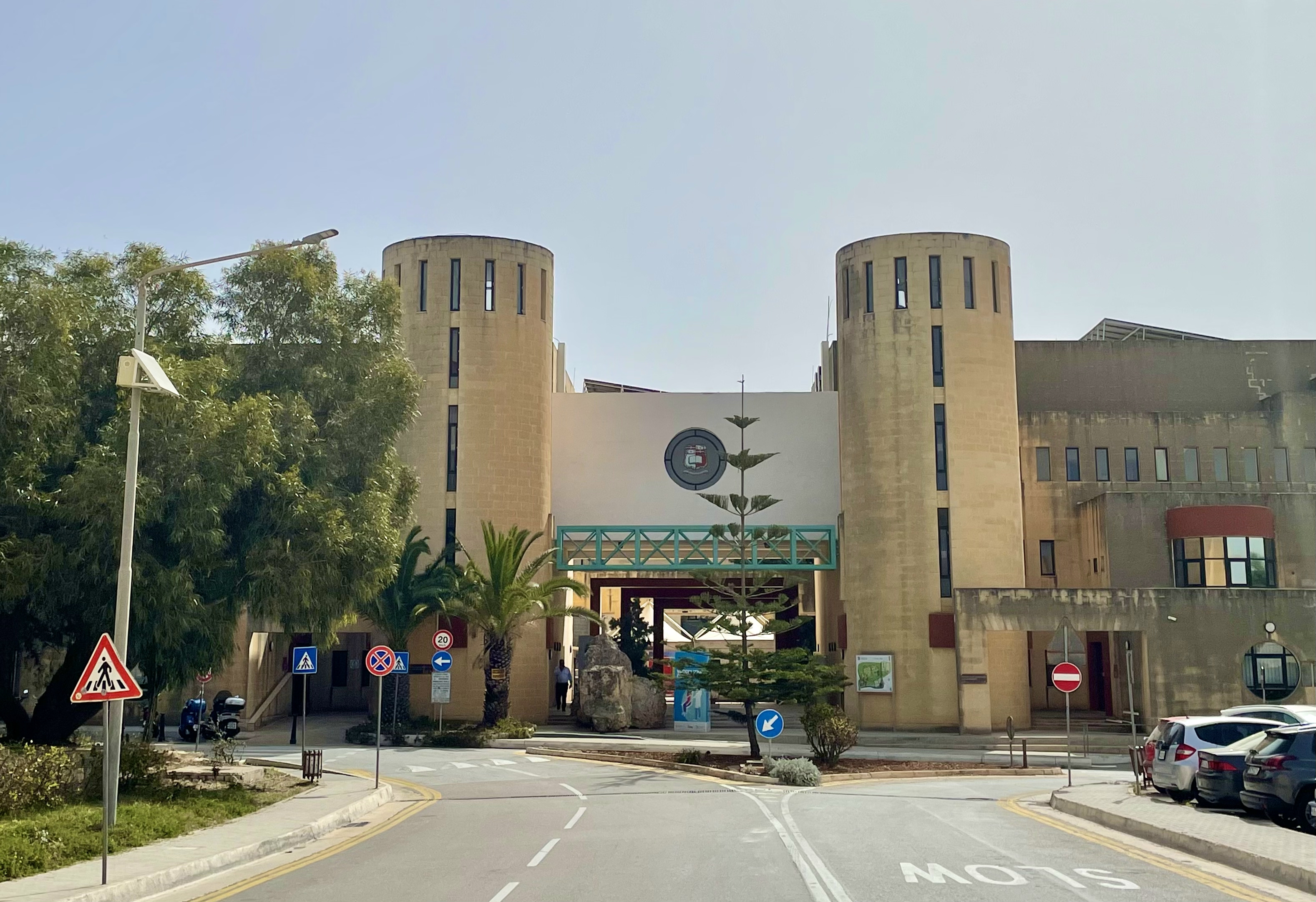
Yesterday, the government announced a Collective Agreement with the lecturers of the University of Malta. Lecturers were demanding a collective agreement with salaries up to €140,000 per year, but the problem with this request is that the University of Malta doesn’t rank on par with other national universities: it ranks on par with rural universities of third-world countries.
We have also discussed the political aspect of the University of Malta through various stories showing how lecturers and senior officials at the University also serve to support the government in different ways, particularly by normalising its actions. The University also serves as an employment centre for the disenfrenchised associates of the party-in-government.
There is also another aspect that should be addressed and this aspect currently covers all of the education system and not just the University of Malta: the aspect of the collective agreement. Collective agreements originated on the factory shop floor where productivity can be measured easily and efficiently. However, collective agreements are not an absolute solution to all labour issues and in fact, in the education system, collective agreements have potentially been very damaging.
The numbers don’t lie and they are the best form of evidence. The quality of our education system is deteriorating and this can be seen with the rapidly increasing number of boys doing badly in mathematics. Students are also doing badly in Maltese and you can view the charts below.
There isn’t much concern about these numbers. There is a massive crisis involving the dumbing down of society, which the government is incentivising through its control over the university and the public service. As a result, public discourse is controlled and littered with propagandists. If you switch on TVM, you will be inundated with dumb content, propaganda, and mediocre discourse, culminating in incredibly representative scenes of the Maltese zeitgeist with programmes featuring Ricky Caruana and Simon Mercieca.
Meanwhile, our education system is becoming pauperised with collective agreements. We are applying a factory-styled labour agreement to our education system without including any productivity metrics in these agreements with evident results of reducing the quality of education. Discussing this topic is taboo because teachers will claim hat they are being attacked, but the reality is that we are turning our educational institutions into public-service-styled bureaucracies: this is not attractive to highly-skilled individuals.
We used to have very good teachers in the past because previously the job market was very restricted. Poets and writers were compelled to be teachers because there were no jobs available so we ere thought literature and language by actual published poets. The lack of a finance industry also compelled many maths gurus to become teachers and this enabled many students to have exceptionally high-quality maths teachers.
Nowadays, writers can become translators in Brussels, enjoying job security in a cosmopolitan life, while math gurus can work as fund managers or as analysts with banks earning up to six figures every year. Highly-skilled intellectuals have many more options today and are not compelled to become teachers. A collective agreement that caps career progression and salary rates is not attractive to a highly-skilled intellectual, but it may be useful for those who look for job security.
Education can be more efficient if economic meritocracy in teaching and academia comes with real metrics not with guaranteed job security or salary capping. The national university should have the discretion to set its own salaries and payments. How is Andrew Azzopardi, a grifter accused of plagiarism, who spends most of his time hanging out and ingratiating with politicians being paid just the same as the highly-skilled scientist who is conducting cancer research or the academic-translator who is translating classical texts into Maltese? Collective agreements are enabling banality and outright corruption and grift in the education system while undermining actual intellectuals and highly-skilled researchers.
The collective agreement signed between the government and the University of Malta has not been made public yet.


Website Editor
Historian and Publisher

Leave a Reply