



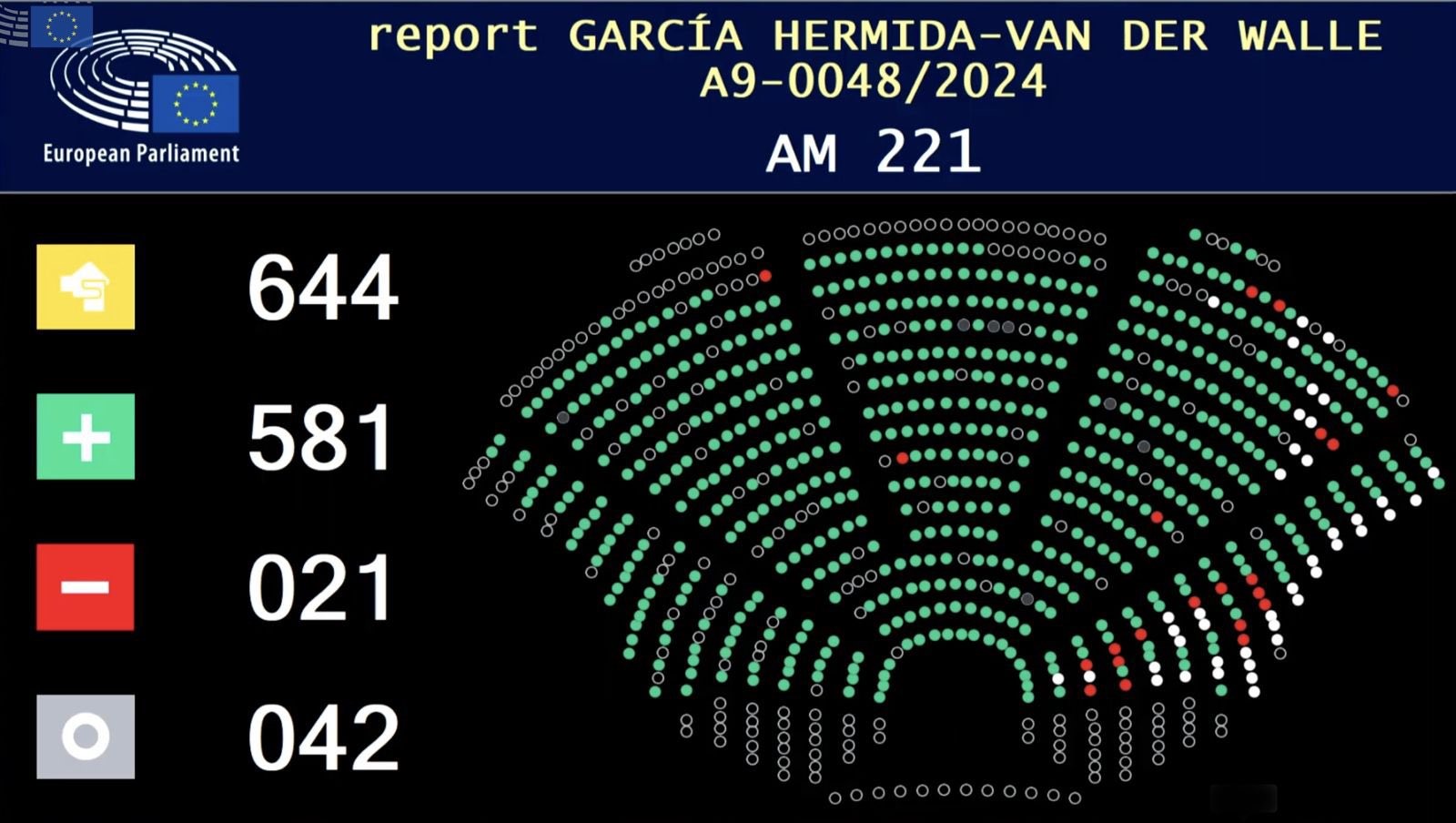
Yesterday, the European parliament has approved the EU Anti-Corruption Directive with 581 votes in favour, 21 against, and 42 abstentions. This followed a provisional political agreement with the EU Council in December 2025 and endorsement by the Civil Liberties, Justice and Home Affairs (LIBE) Committee in January 2026.
One of the central objectives of the law is to address the fragmentation of anti-corruption legislation in Europe by creating a baseline legal framework that all member states must follow, while still allowing countries to adopt stricter rules if they choose.
The directive, agreed between the European Parliament and the Council in late 2025, introduces common definitions for corruption offences, including bribery, misappropriation of funds, trading in influence and abuse of office. It also sets minimum standards for penalties, including prison sentences and financial sanctions, in an effort to ensure consistent enforcement across the bloc. and strengthens cross-border cooperation with bodies like OLAF, Europol, and Eurojust. The directive will also oblige member states to adopt preventive measures such as national anti-corruption strategies, risk assessments, conflict-of-interest rules, and transparency in political financing.
In addition to criminal provisions, the new framework places a stronger emphasis on prevention, including risk assessments, transparency measures and cooperation with civil society. It also mandates the regular publication of EU-wide corruption data, aimed at improving accountability and public oversight.
The directive is part of a broader effort by the EU to modernise its legal framework and respond to growing concerns about corruption, organised crime and the misuse of public funds across member states.
The new rules are expected to be formally adopted and transposed into national law in the coming months, setting a common standard for how corruption is defined, prosecuted and punished across the European Union.
You can read the directive here.

Newsroom


Leave a Reply