



The announcement of a new multi-sport national stadium in Marsa has sparked contrasting reactions across Malta’s sporting community, with football and rugby authorities expressing strong support, while the baseball and softball sector has raised concerns over a lack of consultation.
Baseball & Softball Association Voices Concern
The Malta Baseball & Softball Association (MBSA) has expressed uncertainty following reports that baseball facilities will form part of the ambitious project.
In a statement, the association clarified that it had not been contacted or consulted at any stage of the planning process and only became aware of the proposal through media reports. As the governing body for baseball and softball in Malta, the MBSA highlighted that this lack of communication raises questions about how the project will impact the sport.
The association also pointed to ongoing challenges at their current Marsa facilities, where limited access continues to hinder development, particularly for younger players. The absence of clear information regarding future infrastructure has, according to the MBSA, added further uncertainty to an already difficult situation.
Emphasising the need for direction, the association stated that baseball and softball in Malta require long-term planning and clarity to grow sustainably.
Rugby Union Welcomes “Landmark” Development
In contrast, the Malta Rugby Football Union (MRFU) has warmly welcomed the project, describing it as a milestone moment for Maltese sport.
The union confirmed that the development includes a dedicated, World Rugby-compliant stadium with a 1,500-seat capacity, natural grass pitch, modern facilities, and a clubhouse. This new infrastructure is expected to significantly enhance the rugby landscape in Malta, enabling the hosting of international fixtures, youth tournaments, and development programmes.
MRFU President Gerald Strickland hailed the initiative as a major step forward, noting that it aligns with the long-term ambitions of Maltese rugby, including aspirations of qualifying for the 2031 Rugby World Cup.
The union also reassured stakeholders that all rugby activities will continue uninterrupted during construction, and confirmed that ownership of the land will remain with the MRFU, with safeguards in place to protect the sport’s interests.
Football-Led Project Aims for Modern Fan Experience
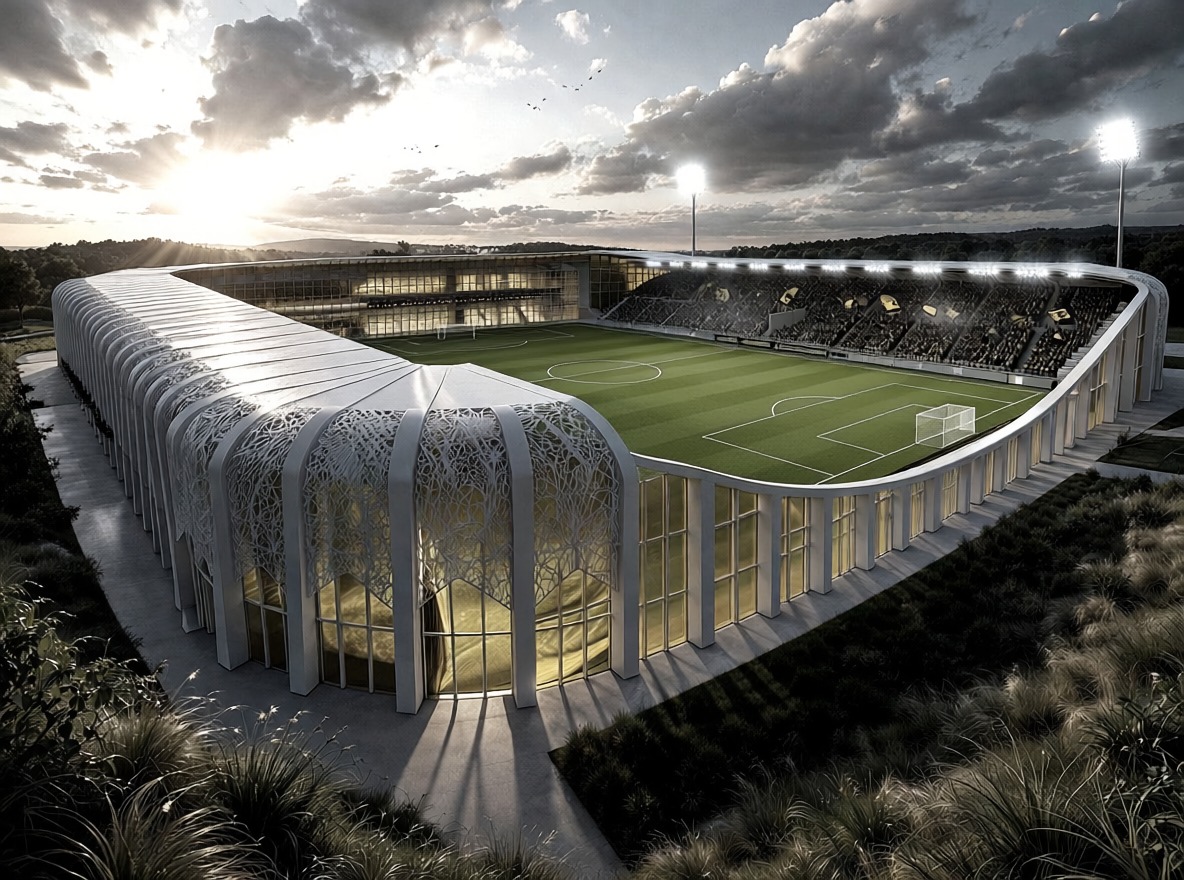
The project, spearheaded by the Malta Premier League (MPL), centres around a UEFA Category 3 stadium with a 5,000-seat capacity. Designed primarily for top-flight football, the venue will also serve as the league’s headquarters.
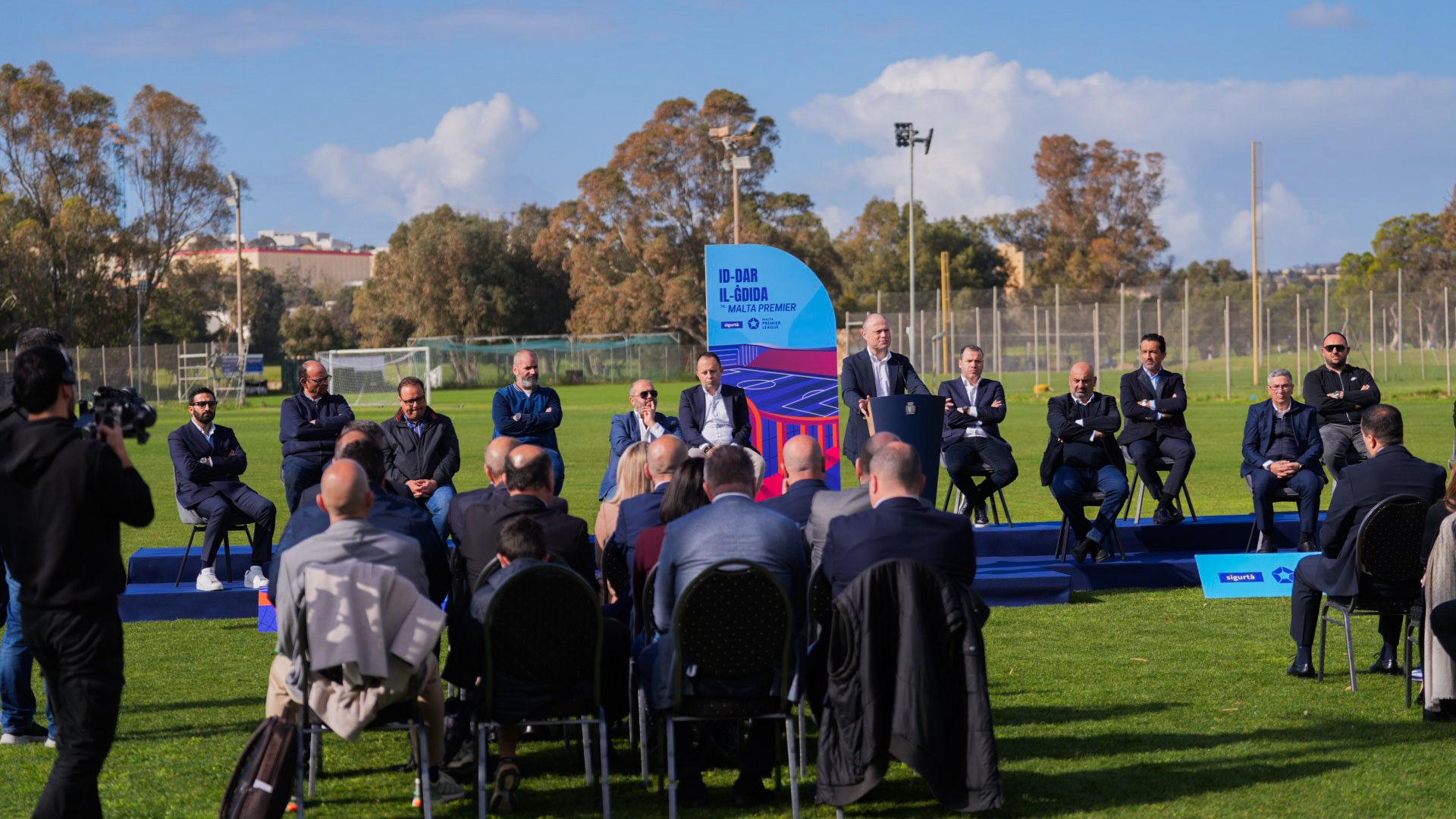
MPL chairman Joseph Muscat outlined plans to create a modern, family-friendly matchday experience, including a dedicated family stand with safe play areas for children. The stadium will feature a high-quality synthetic pitch, allowing for intensive use throughout the year and the hosting of multiple matches in quick succession.
In addition to football, the complex is set to include training facilities, a rugby pitch, and baseball infrastructure, as well as the capability to host concerts and large-scale events. Construction is expected to begin in 2027, with completion targeted for 2030.
Government Backing and Broader Vision
Government officials have also thrown their support behind the project, framing it as part of a wider strategy to invest in sports infrastructure and strengthen Malta’s international sporting profile.
Sports Minister Clifton Grima described the initiative as a concrete step toward enhancing facilities for athletes and communities, while Home Affairs Minister Byron Camilleri revealed that foreign investors contributing significantly to the project may be eligible for Maltese citizenship on merit, subject to strict due diligence.
A Project of Opportunity — and Open Questions
While the Marsa stadium project represents a major opportunity for the development of sport in Malta, the differing reactions highlight the importance of inclusive planning.
For rugby and football, the project signals growth, improved facilities, and international potential. For baseball and softball, however, key questions remain unanswered.
As planning moves forward, stakeholders across all disciplines will be watching closely, with many hoping that clearer communication and collaboration will ensure the project delivers benefits for the entire sporting community.

Sports Editor
Veteran Journalist
Leave a Reply