



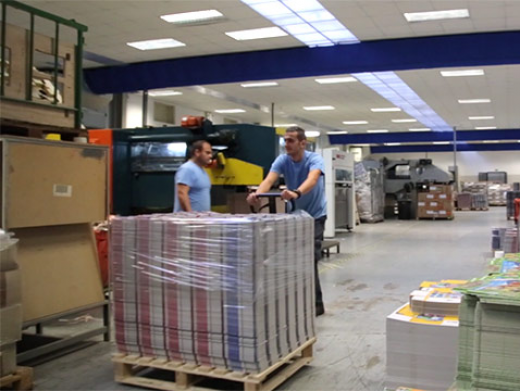
Seasonal exports have gone higher than last year, relieving some of the long-term downward trend in exports according to the latest statistics by the NSO. The increase also coincided with a 0.8% increase in industrial output in May compared to May last year mainly registered in wood and printing with a 34.3% increase. However the increase in exports is also mainly attributed to entrepot trade of mineral fuels.
Exports and imports increased by 16.4% and 26.6% in May, respectively, compared with the same month of the previous year. A €339 million trade deficit in goods was registered. The European Union remained Malta’s largest trading partner.
Total industrial output also decreased by 37% from April, with food and beverages. rubber and plastics and other manufacturing all going down signaling that a secular weakness in industrial manufacturing still persists. In fact, the trade deficit is coming down owing mainly to a decrease in the importation of machinery. During the first five months of 2026, the trade deficit was reduced by by €234.7 million when compared to the corresponding period of 2025, totaling €1.37 billion. Imports stood at €3,4 billion, while exports amounted to €2.05 billion. Compared to the same period of the previous year, imports decreased by €41.9 million, whereas exports increased by €192.8 million.
The largest increase in imports was recorded from the Netherlands with a decrease of €124.1 million, while imports from France registered the largest decrease with a decrease of €74.6 million. Exports to Germany recorded the largest increase, increasing by €45.8 million, whereas exports to Turkey registered the largest decline, decreasing by €52.2 million.
Industrial producer prices kept increasing in May with a 1.4% increase potentially contributing to secular industrial weakness in Malta.


Newsroom
Leave a Reply