



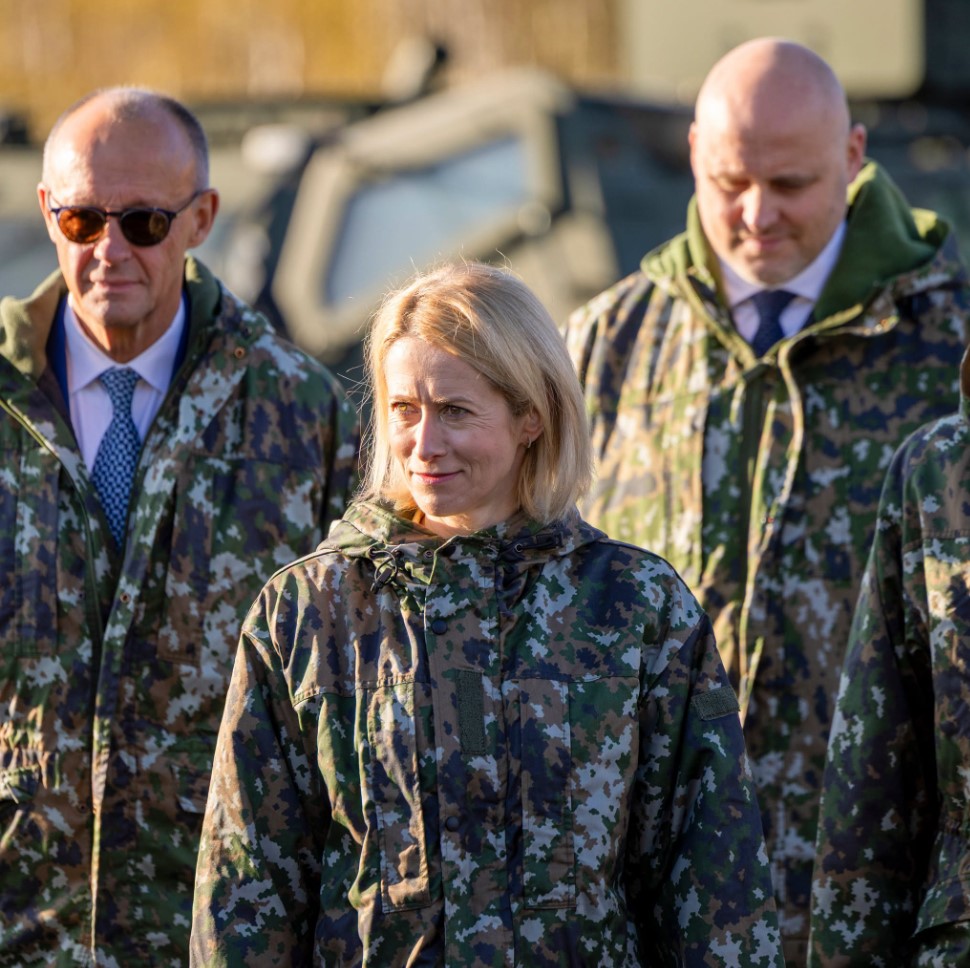
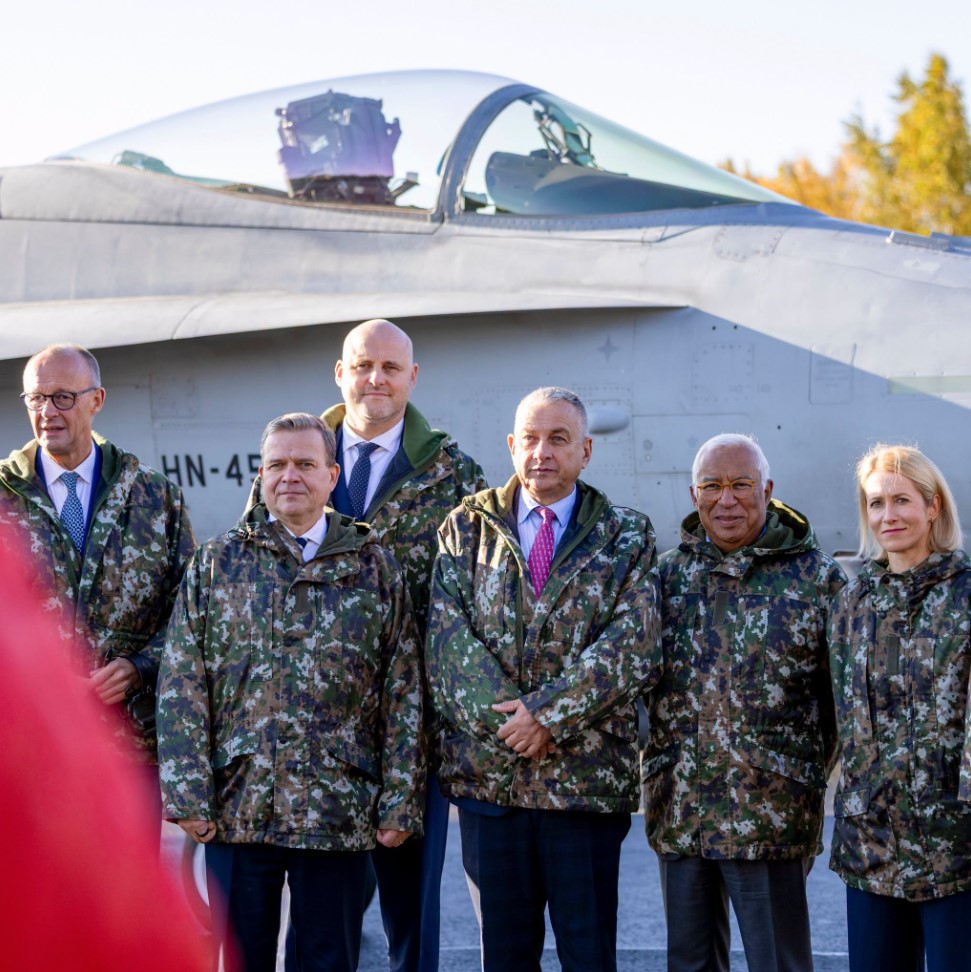
European leaders, including EU High Representative Kaja Kallas, European Council President António Costa, German Chancellor Friedrich Merz and French Foreign Minister Jean-Noël Barrot, gathered in Rovaniemi, northern Finland, for the European Arctic Summit on Sunday and Monday.
The summit, hosted by Finnish Prime Minister Petteri Orpo, brought together European leaders to discuss the growing strategic and security importance of the Arctic as climate change accelerates the melting of sea ice and opens new maritime routes and access to natural resources. Russia and China have both been expanding their activities in the region.
High Representative Kallas said security in the Arctic had become a core European priority, describing the region as a growing “clash of interests” involving Europe, Russia, China and the United States. Russia has been reopening and modernising former Soviet military bases in the High North, while China has increased its commercial and strategic interest in Arctic shipping routes and natural resources.
The European Union is preparing an updated Arctic strategy, expected in October, which will put security at the centre of EU policy in the region for the first time. The High Representative also highlighted the vulnerability of undersea infrastructure and warned that Russia has substantially increased surveillance activity in northern European waters. She also reiterated the need to continue putting pressure on Russia’s shadow fleet, describing the ageing and often poorly insured vessels as “ticking ecological bombs” which simultaneously allow Russia to circumvent sanctions and generate revenue for its war against Ukraine.
“They are also fuelling Russia’s war in Ukraine,” she said, adding that measures against the shadow fleet would form part of the EU’s wider approach to Arctic and maritime security.
Finland also used the summit to announce that it is joining France’s Forward Nuclear Deterrence Initiative. The French initiative allows participating countries to take part in nuclear-deterrence exercises and strategic consultations and could eventually involve the temporary deployment of French nuclear-capable aircraft on allied territory, although France retains exclusive authority over the use of its nuclear weapons. Finnish President Alexander Stubb stressed that the initiative is intended to complement rather than replace NATO’s nuclear deterrent and said Finland does not intend to permanently station nuclear weapons on its territory during peacetime. Finland becomes the 10th European country to join the initiative.
The summit also included Danish Prime Minister Mette Frederiksen, the leaders of Estonia, Latvia, Lithuania and Romania, while Finnish President Alexander Stubb hosted a working dinner on Sunday together with the prime ministers of Norway and Iceland.


Newsroom


Leave a Reply