



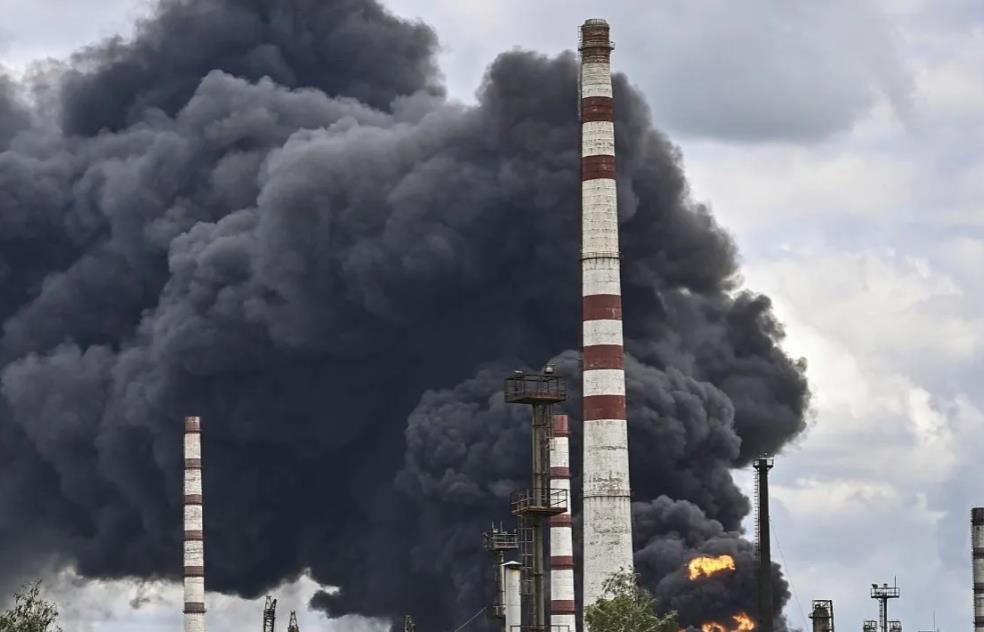
Russia has begun importing petrol from India and seeking supplies from Kazakhstan as many of its oil refineries go out of service as a result of Ukraine’s coordinated and systematic strikes against Russia’s oil industry.
In a rare reversal for one of the world’s largest exporters of crude oil and refined products, Russia has started buying petrol by sea from India to ease domestic shortages. At least 60,000 metric tonness of petrol have already been dispatched from India to Russia, according to industry sources cited by Reuters, with two tankers carrying parcels of 30,000 to 40,000 tonnes each. Moscow is also seeking to import as much as 400,000 tonness of petrol per month from several countries, including Belarus and other nearby suppliers.
India is one of the main buyers of Russian crude oil, importing around 2.7 million barrels per day from Russia in June, with Russian barrels accounting for more than half of India’s total crude imports. India is now refining that Russian crude and selling fuel back to Russia at a higher price, effectively returning Russian oil to its country of origin after it has been processed abroad.
Russia has also sought around 50,000 metric tonness of AI-92 gasoline (petrol) from Kazakhstan to ease domestic shortages caused by refinery outages and unscheduled repairs. Kazakhstan has refining capacity and a limited gasoline surplus, but its ability to supply Russia may be constrained by maintenance schedules and feedstock issues. Some of Kazakhstan’s own refining and fuel flows are also linked to Russian infrastructure, making the arrangement a sign of Russia’s growing regional dependence.
The crisis follows months of Ukrainian drone strikes on Russian refineries, depots, terminals and other energy infrastructure. The attacks have reduced Russia’s ability to process crude oil into usable fuels, with crude refining in June down by around 25% year-on-year and gasoline output down by 17%. At least one third of Russia’s refining capacity is estimated to be offline, while fuel rationing, long queues and price spikes have spread across multiple Russian regions.
Ukraine’s strategy has evolved from simply striking refineries to targeting the most difficult parts of them to replace. The most damaging strikes appear to have hit secondary refining units such as hydrocrackers and other sophisticated processing equipment, which are essential for turning crude streams into marketable fuels such as diesel and petrol. These units rely on specialised parts and technology that are difficult for Russia to replace quickly because many components are sourced from Western suppliers or are affected by sanctions.
Some refineries can be patched up and restarted at reduced capacity, but restoring full production may take many months. In some cases, repeated Ukrainian strikes may make repairs uneconomical until there is a ceasefire or Russia can better protect its energy infrastructure.
Russia has also restricted fuel exports in an effort to keep more supply at home. The government has banned petrol exports by producers until the end of July, and it has also banned aviation fuel exports until 30 November. Moscow is now considering a complete ban on diesel exports.
Meanwhile, Russians continue to queue at fuel stations to buy fuel for their vehicles.

Newsroom

Leave a Reply