



The fact that the government is increasing energy and fuel subsidies for next year by around €20 million to €172 million is a sign that Malta is struggling to acquire cheap electricity. The subsidies are indeed are keeping Malta’s electricity rates at the lowest level in the EU.
On a year on year this expenditure item is accumulating into one of the biggest ever single recurrent expenditure items in the government’s finances and the total amount of subsidies, including on wages and salaries to cover the Covid crisis has well exceeded €1.3 billion in total.
Despite calls by experts to cut energy subsidies in order keep balancing the budget, the government is cutting on other recurrent expenditure instead and withholding large capital projects. The plan seems to be a continuation of energy subsidies with no end in sight for these subsidies. The Ministry of Energy has no policy and is not working on a project to source and produce cheaper electricity tariffs, so instead it will keep subsidising them. The only plan the Ministry of Energy has is to cover Malta with solar panels and build a wind-turbine off the coast of Malta but these plans do not aim to lower electricity bills.
Surprisingly the Nationalist Party is not discussing this issue, despite being a very important issue to the sustainability of public finances. In just another five years we are going to spend another €1 billion on energy subsuidies if we do not address this issue.
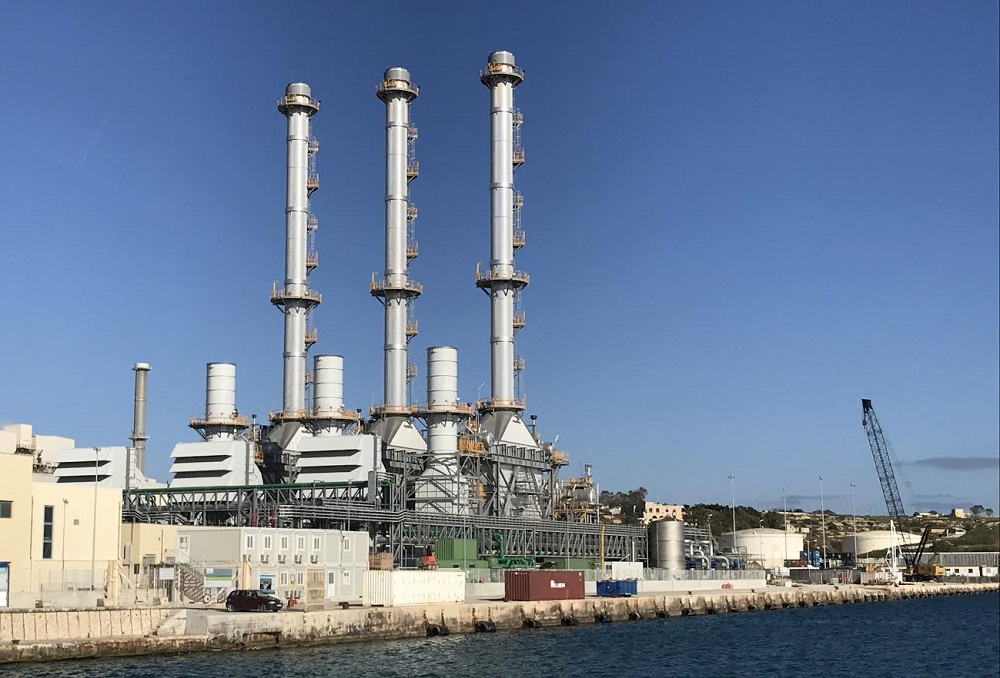
The issue is multifaceted but the main issues are twofold. First, Malta is being sold the current high tariff rate of electricity from the European interconnector. Up to a third of Malta’s electricity comes from the interconnector. Another third of our electricity is generated from gas, mainly from Electrogas’ power-plant in Delimara which sells electricity to Enemalta. Enemalta also has two small power plants one on oil and another one on gas and 10% of Malta’s energy comes from solar panels. Malta kept paying subsidies even when oil and gas prices crashed.
Brent Crude is currently at $63.99 per barrel and the price is being suppressed with increasing production by OPEC and the US while the natural gas price is currently at $3.73 which is definitely considered much more expensive that desired. Electricity tariffs in Europe are relatively high. Malta’s failure to acquire cheap electricity is a failure that Malta is importing from Europe, but the government is neither helping itself. Eelctrogas is making a profit over its sales to Enemalta. On the other hand, the government has also bought gas for its power-station with a price corresponding mechanism to oil, so supposedly the government has the capacity to purchase gas at lower current market rates. Yet, Electrogas can make a profit, Enemalta can make a loss (without subsidies), and the government still can’t source cheap electricity.
There are many multiple things which are going wrong with the government’s energy policy that need to be addressed urgently especially to address the mounting public expenditure on these subsidies. €172 million could have been spent on affordable housing and medicines but instead we are paying off energy traders and companies because the government is too lazy and complacent to find solutions and Minister Miriam Dalli is to arrogant and narcissistic to admit that there is a problem. The Energy Minister can start addressing this problem by being transparent and provide all the data and information related to public purchases of energy and electricity.

Website Editor
Historian and Publisher

Leave a Reply