



It is very strange how no one is talking about what is probably the biggest systematic risk to the government’s finances right now. In The Maltese Herald we have always argued that €200 million every year in energy and fuel subsidies are unsustainable to the government’s finances and the government needs to find a solution to address this issue systematically. We have also and always argued that Enemalta is dependent on government subsidies and this is also unsustainable.
The government is not being transparent about the gravity of the issues surrounding Malta’s energy and electricity supply. What is strange is that the Nationalist Party and its new Leader Alex Borg are completely ignoring this elephant in the room, and I attribute this to the gross complacency and incompetence of the people around him and his MPs who should know better.
The Minister of Finances Clyde Caruana knows about this situation very well but he is not being truthful about it. Minister Clyde Caruana is opposing the construction of a metro on the grounds that there is a risk that the government takes serious financial hits with this project. He is right but he is not telling the whole truth. The metro project is highly risky in Malta because we have a serious energy and electricity problem and our national energy company is facing serious challenges.
For the sake of Malta’s survival, the next major capital project should be an energy project and not the metro. The Finance Minister knows this but is not disclosing it so as not to embarrass the government about the fact that Enemalta is bankrupt and has deep financial problems. Energy Minister Miriam Dalli is going on about her day-to-day propaganda tours, erecting billboards about trees, while the most fundamental and important asset of the nation is collapsing.
It’s latest filed accounts of 2022 start with a red flag as operating profit grows and EBITDA went down significantly by 32%. This shouldn’t be an issue if the company made massive investments, however it seems that the company’s operating profits have been halved from 2021 to 2022.
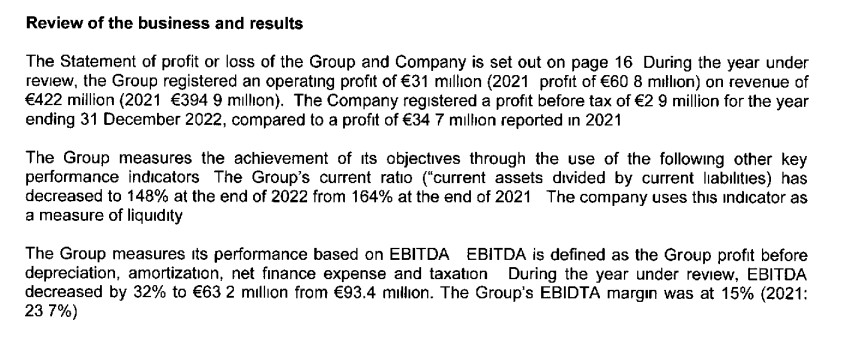
As already discussed, Enemalta is unable to procure and even produce cheap electricity and electricity and energy prices both increased along with demand in 2021 and 2022. From 2021 to 2022 electricity demand increased from 2.66TWh in 2021 to 2.87TWh in 2022, a 7.9% increase. There seems to be a mistake in the figure of the annual hourly peak demand. The cost of electricity from both the interconnector and Electrogas has increased sharply. Note that in 2021, the government signed a gas-supply agreement which pegged the price of gas to the Brent Crude Index and this trade did not make sense given that gas price crashed. The government described this is a hedge, but a hedge would have been a put option on the price of gas and not a correlated bet on cheap oil prices. Enemalta also states that it bought electricity from Delimara 4 (Electrogas) at a significantly higher price from €14 70/MW to €21.42/MW. It is very clear with these figures that Enemalta has paid higher prices for electricity from Elecgrogas. Electrogas made a significant profit in 2022.

Enemalta’s accounts and statements are not very clear and there are many reasons for this. For example, the government’s subsidies should be showing up somewhere in Enemalta is declaring a staggering €400 million yearly leasing-liability and this may mean that Enemalta is leasing equipment and power stations to generate and distribute electricity. This may also not be a problem if it is related to the government’s special purpose vehicle to lease the land to Enemalta.
On the other hand, Enemalta’s liabilities are still extensive without the lease liability and is also declaring a total of €184 million in loans but it has also other liabilities and these seem to be increasing. It’s total net debt with the banks is at €226 million.
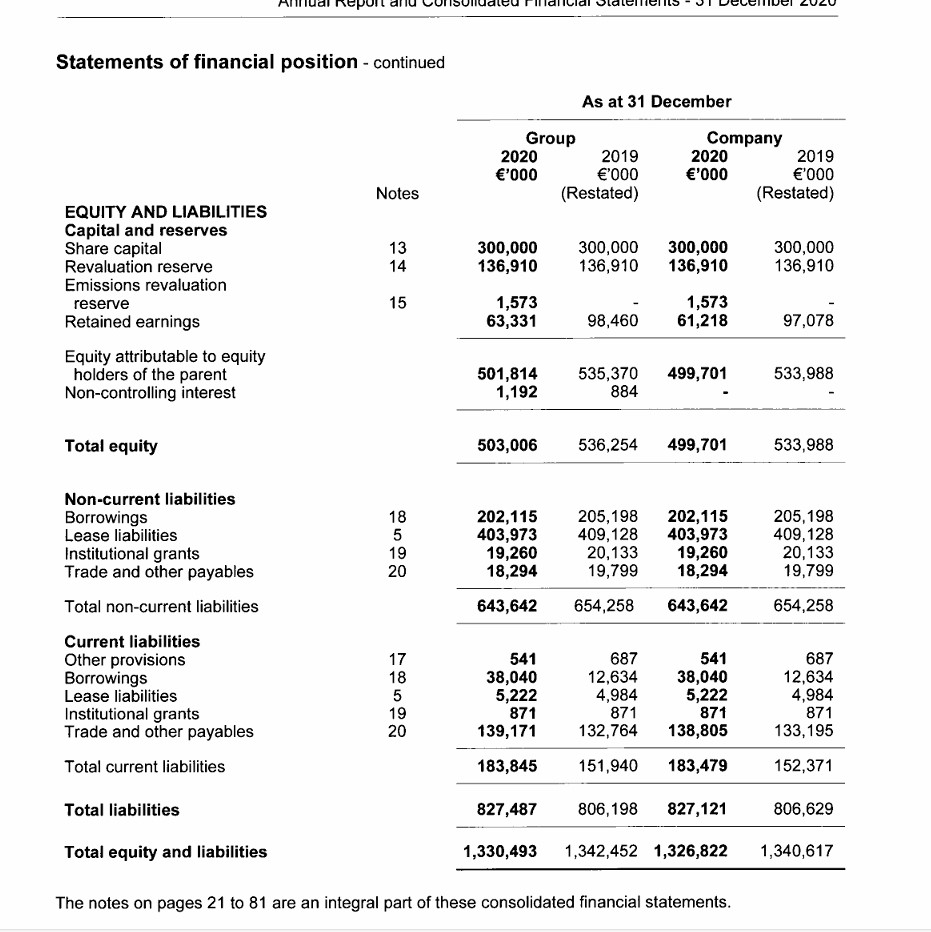
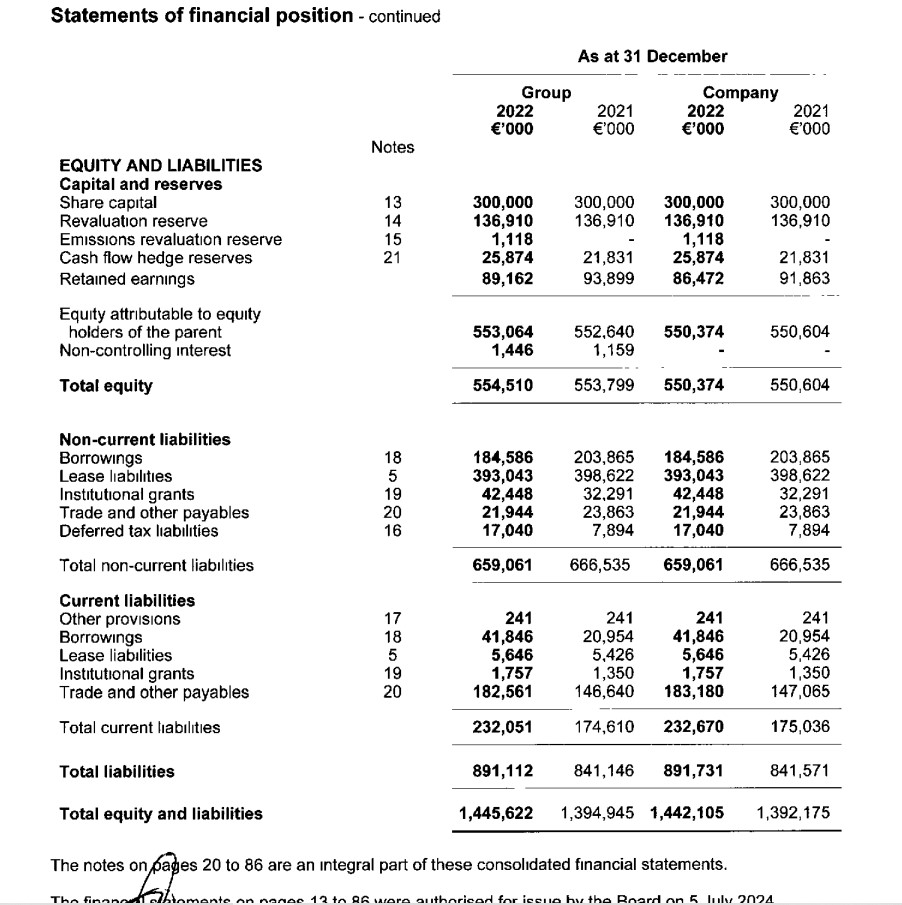
Enemalta as a company is declaring a profit but the group is declaring a loss of €4 million.
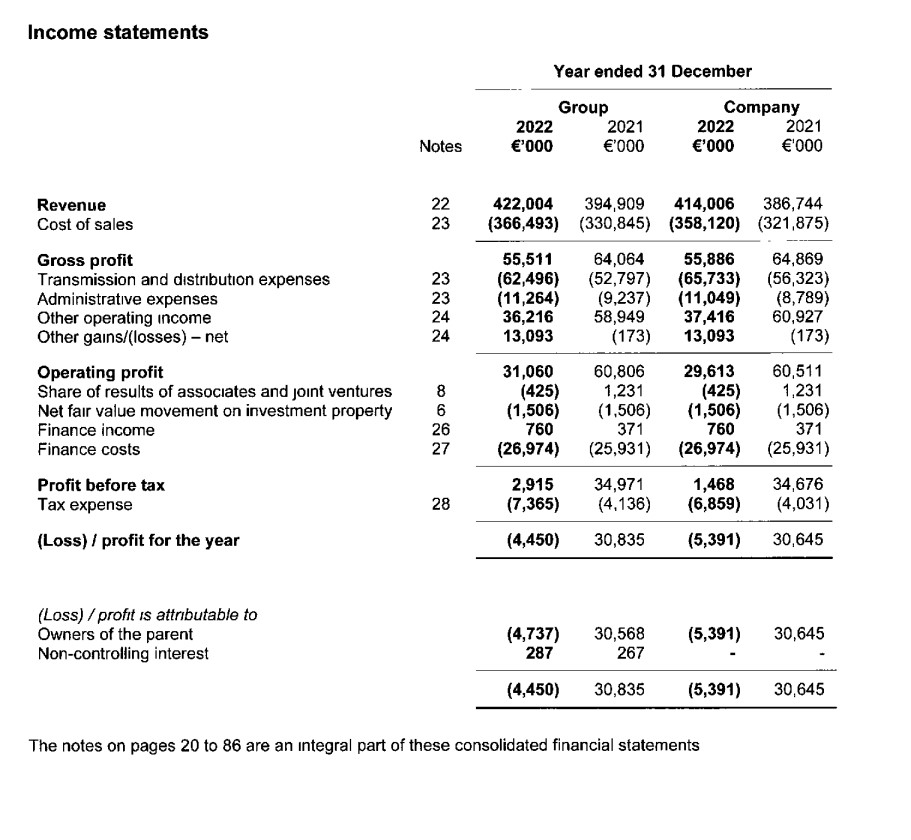 On the other hand, the cash generated from operations was €137 million. Enemalta also declared up to €12 million in institutional grants. Enemalta’s total declared expenses in 202 were at €440 million.

Enemalta is also declaring up to €320 million in financial assets at “amortised cost” which is supposedly an asset but it is unclear what this asset is. It also declared up to €17 million loss in is trade receivables. All of this is unclear. What is very clear is that Enemalta admits that it risks failing to meet its obligations and it needs a plan to raise capital and inject liquidity in the company. This is may also be a very polite way in declaring the risk of bankruptcy.

The company’s total financial risk is estimated at €785 million.

Then the company plays around with its equity figures that include its assets to show that it is somewhat above water, but this does not make sense in reality because if Enemalta sold its assets, we’re basically discussing its privatisation. So it’s a waste of time tying to book the solvency of Enemalta with its assets. A €249 million is listed in the costs as “Government compensation” and these are supposedly the government subsidies. Enemalta is listing these subsidies as cost of sales to offset the price of electricity so Enemalta’s actual costs may run up to nearly €700 million for the year and not €440 million.

Enemalta is also declaring up to €172 million in guarantees.

We do not expect any answers from Minister Miriam Dalli. Miriam Dalli has chosen to give interviews to propagandists or journalists who do not investigate this subject thoroughly and has consistently avoided answering or replying to our questions. Enemalta’s CEO Jonathan Cardona was fired by the Prime Minister after the 2023 electricity distribution crisis which caused multiple blackouts that left various old people dead due to excessive heat. The new Enemalta CEO is Ryan Fava and his appointment is political because Ryan Fava has nothing to do with the energy sector and has no experience in this field.
The electricity and energy issues facing Malta are the main barrier to any new major capital project. If these issues are not addressed, any new major capital project may, as the Minister of Finances is saying, bring excessive risks to the government’s balance sheet.
You can download the accounts here.

Website Editor
Historian and Publisher

Leave a Reply