



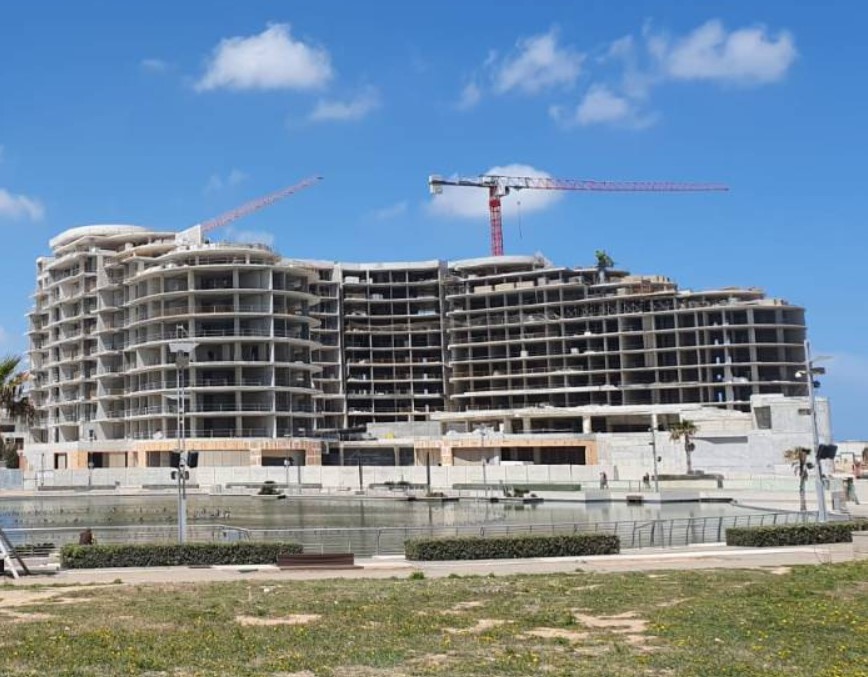
Not enough public debate has been made about the Smart City project which Keith Schembri and his friends then turned into Shoreline Mall. The project, which involved handing out public land to a group of speculators and investors, mimics the project of MIDI at Tigné Point and Joseph Muscat’s administration seems to have tried to carve its own high-end luxury real estate project in the south.
The land itself was originally granted under a concession to develop an ICT hub under Lawrence Gonzi’s administration, but over time the project shifted heavily towards residential and commercial real estate, with large portions of land earmarked for apartments and retail development instead of technology-related activity.
The project today, called Shoreline Mall, is largely controlled by Kevin Deguara and South African investor Ryan Edward Otto, who is the main shareholder through his investment vehicles and has also held leadership roles within the project. Dianne Izzo has a retail outlet in the mall and Rosianne Cutajar’s father-in-law, Lino tal-Options, also has a catering establishment.
Court proceedings and financial disclosures show that the project has been under significant financial and legal pressure, including garnishee orders linked to unpaid construction costs amounting to tens of millions of euros, as well as declining revenues and losses recorded in recent financial statements. The group can not confirm whether a €14 million bond payment due this year is going to be made in the backdrop of financial difficulties.
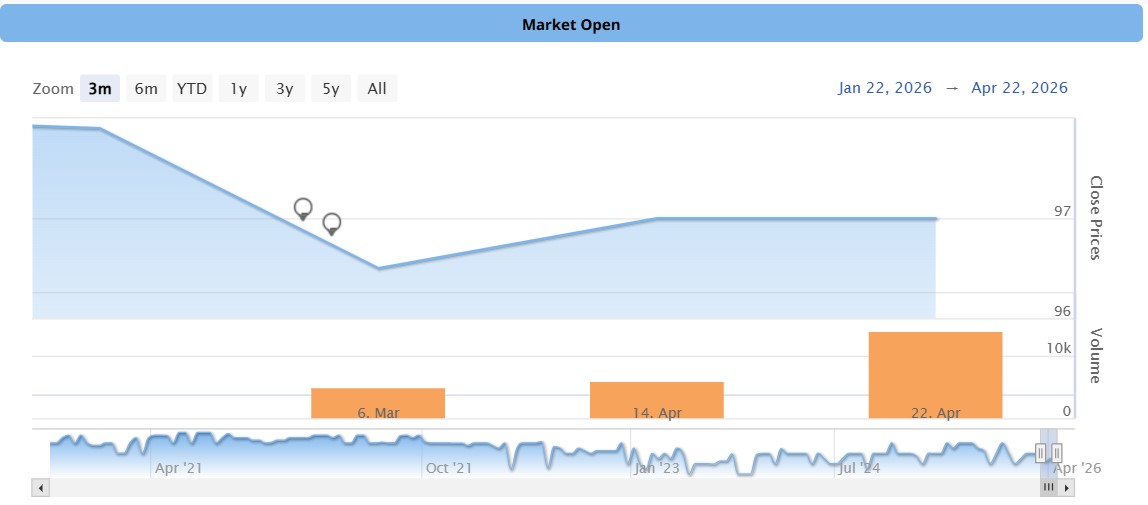
Following the government’s bail-out of MIDI, the situation here is uncannily similar. Here is a speculative real-estate project which was bankrolled against free public land, with banks, investors, funds and other stupid bond buyers purchasing the its debt in the markets that is now facing financial distressed. Yet, the market isn’t even capable of pricing the asset correctly and as shown below, the publicly-available bonds of Shoreline Mall are only being asked for at near-original market value.
This is not just speculative financial opinion: you only need to compare this asset and its books with other publicly-available bonds for sale whose companies are highly liquidated and don’t have most of their liquid assets under a court-mandated garnishee-order. This is not rocket-science.
There are structural problems causing this mispricing such as lack of liquidity, and lack of short-selling and derivatives, but ultimately there is also a government-induced culture in local market that toxic-garbage is being back-stopped and that any project which emitted from government involvement is bound to succeed.


Website Editor
Historian and Publisher



Leave a Reply